
Why Trauma Responses Matter
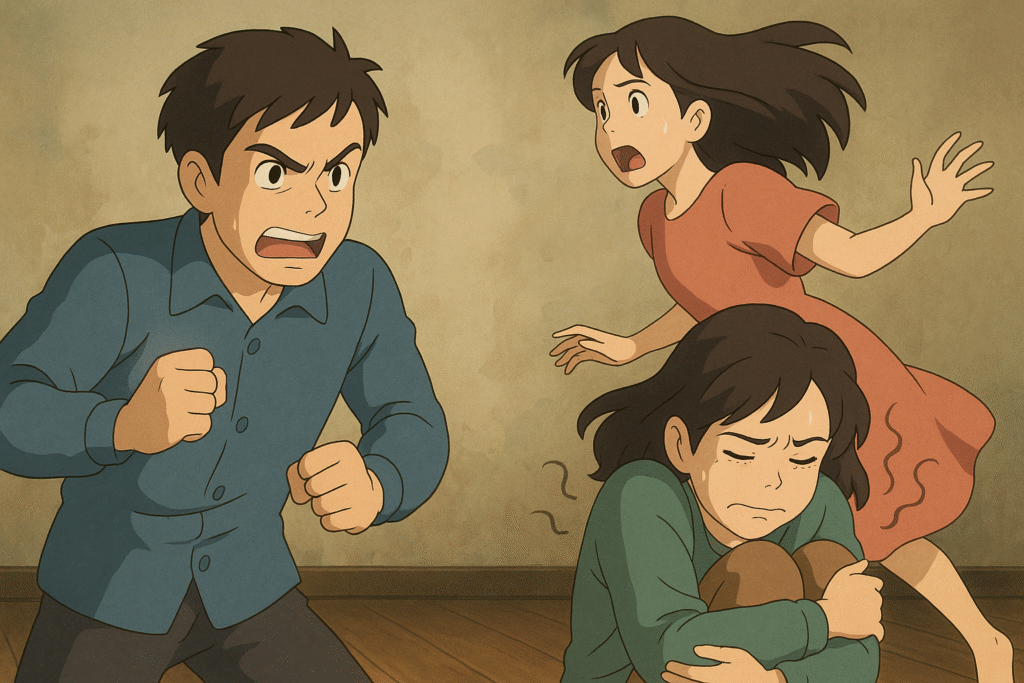
When life feels overwhelming, your body doesn’t ask permission, it reacts. These reactions, called trauma responses, are automatic survival strategies shaped by your past. They aren’t flaws. They are the nervous system’s way of keeping you safe when safety wasn’t certain.
Emotional neglect often wires us to lean on one response more than others. Some fight, using anger or control. Others flee, staying endlessly busy. Some freeze, shutting down to cope. Others fawn, pleasing people to avoid conflict. Each response once served a purpose, protecting a child who felt unseen.
Think of them like old uniforms. They once fit the battlefield of childhood, but may no longer serve you in adult life. By naming your go-to response, you gain the power to see it not as who you are, but as what you learned. Awareness is the first step toward choice.
Fight: The Protector Through Anger and Control
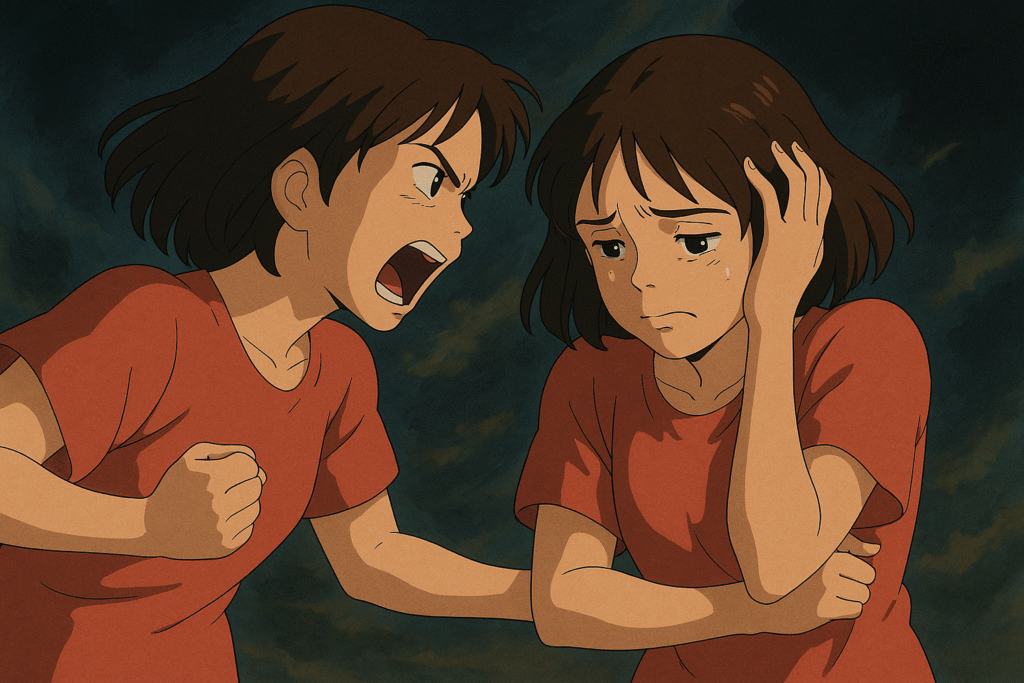
The fight response shows up when the nervous system senses threat and pushes back with energy. This might look like anger, irritation, criticism, or trying to control situations. On the surface, it may seem aggressive, but underneath is often fear, the body’s way of saying, “If I push hard enough, I’ll stay safe.”
Biologically, fight is fuelled by stress hormones like adrenaline and cortisol. These chemicals sharpen focus, raise heart rate, and prepare the body to defend itself. While useful in real danger, when this response becomes automatic, it can strain relationships and leave you feeling constantly on edge.
Think of fight like a shield that sometimes swings like a sword. It was designed to protect, but when carried everywhere, it can cut others and isolate you.
The key is to see fight as a protector, not an enemy. Recognising it allows you to soften the shield and find safer ways to feel strong.
Flight, The Escape into Busyness or Distraction?
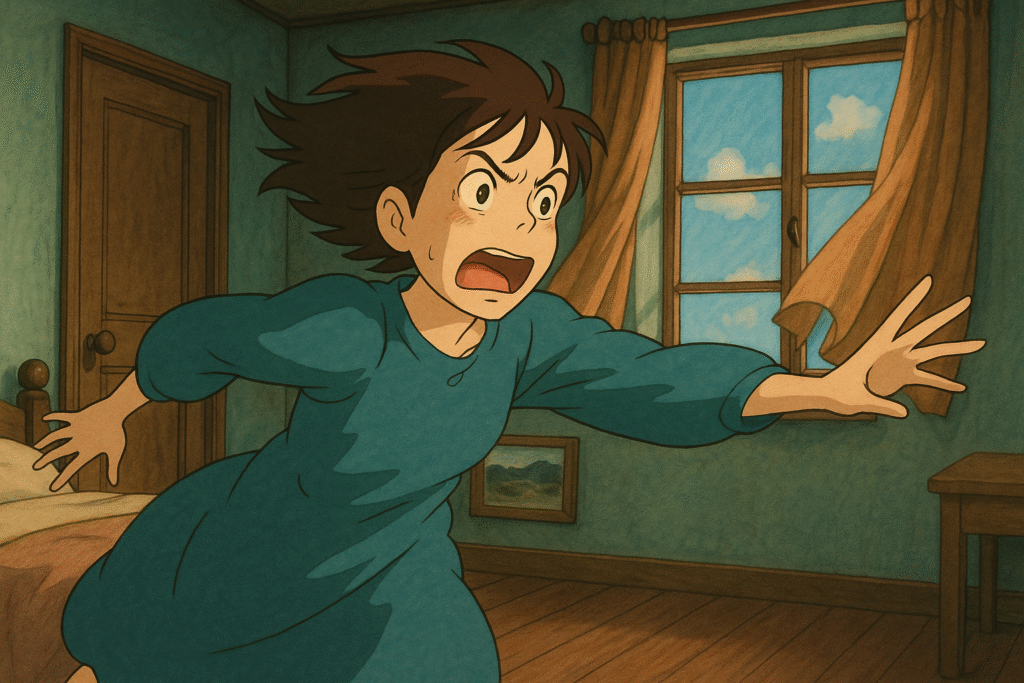
The flight response is the nervous system’s way of running from threat. Instead of standing still, it says: “If I keep moving, I’ll be safe.” As children, this might have meant staying out of the way when emotions felt unsafe. As adults, it can look like overworking, constant activity, or distracting ourselves with screens, food, or endless to-do lists.
Neuroscience research shows that hyperarousal, a state where the body is stuck “on”, fuels this response. The brain’s stress circuits stay active, keeping you busy as a way to avoid the discomfort of slowing down.
Think of flight like running on a treadmill that never stops. You’re burning energy but not truly moving forward. What began as protection becomes exhaustion.
The goal is not to blame yourself for fleeing, but to notice when busyness is a shield. Recognizing this pattern allows you to step off the treadmill and rest.
Freeze, The Shutdown Response
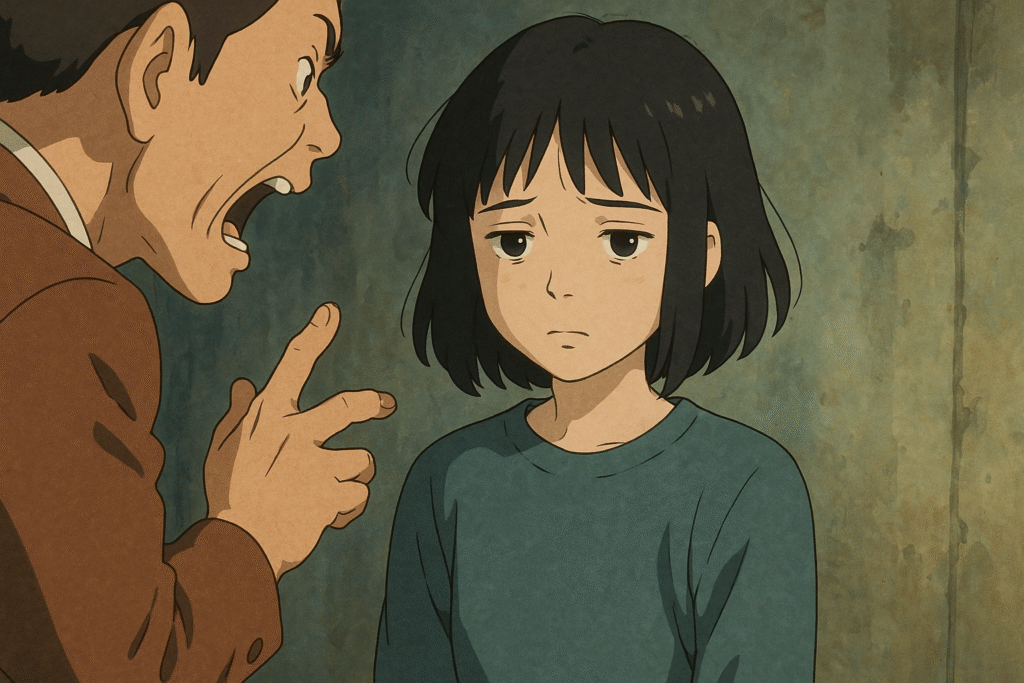
The freeze response happens when fight or flight feel impossible. The body says: “If I can’t escape or defend myself, I’ll shut down instead.” This might show up as zoning out, feeling numb, being unable to decide, or disconnecting from your emotions.
Biologically, freeze is linked to the dorsal vagal state described in polyvagal theory. Heart rate and energy drop, giving the body a sense of “playing dead” to survive overwhelming stress. While this can be protective in danger, over time it may feel like being stuck or cut off from life.
Think of freeze like a computer caught in loading mode. Nothing is broken, but the screen is stuck. With care and patience, the system can reboot and function again.
Freeze is not weakness, it is survival. Recognising it allows you to bring compassion to those moments instead of shame.
Fawn, The Pleaser Who Seeks Safety in Approval
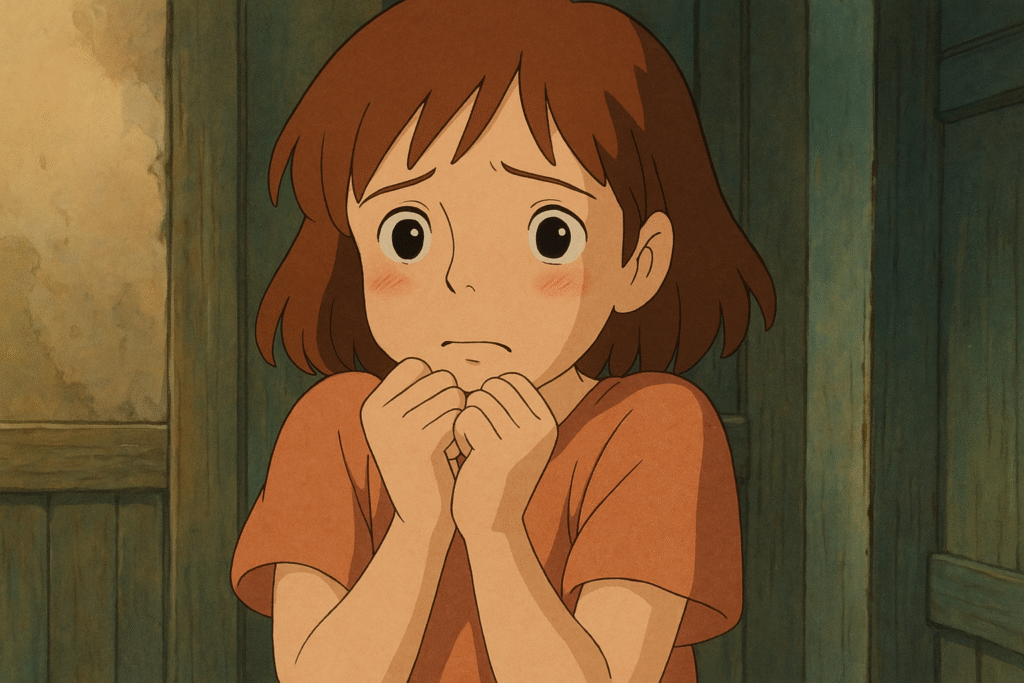
The fawn response develops when the nervous system decides the safest way to survive is to please. Instead of fighting, fleeing, or freezing, the body says: “If I make myself agreeable, I’ll avoid harm.” As children, this often meant staying quiet, smoothing conflict, or putting others’ needs first. In adulthood, it may look like people-pleasing, weak boundaries, or saying “yes” when you mean “no.”
Psychologists link fawning to attachment needs. For a child, approval can feel like survival, being liked meant staying connected. Over time, this link wires the nervous system to equate safety with self-sacrifice.
Think of fawn like a chameleon blending into its surroundings. By changing colors, it avoids being noticed as a threat. But the cost is invisibility, losing your own voice and needs.
The key is not to judge this response, but to recognize it as a strategy that once kept you safe. With awareness, you can begin to reclaim your true colours.
Linking Trauma Responses to Attachment Styles
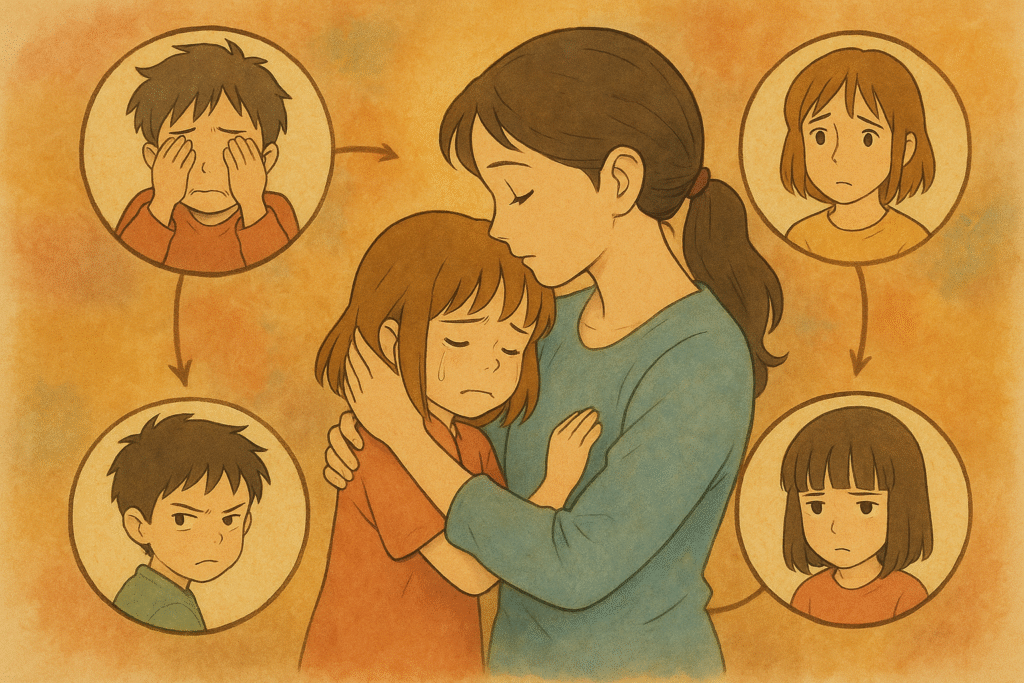
Trauma responses don’t appear out of nowhere. They are often rooted in attachment patterns formed in childhood, the ways we learned to stay connected to caregivers. John Bowlby and Mary Ainsworth showed that when caregivers are emotionally inconsistent or absent, children adapt by shaping their relationships around survival.
- Fight often connects to avoidant attachment – pushing others away to protect from rejection.
- Flight can mirror anxious attachment – chasing connection but never feeling settled.
- Freeze links with disorganised attachment – feeling torn between wanting closeness and fearing it.
- Fawn blends anxious and disorganised styles – clinging through pleasing, while losing your own needs.
Think of attachment like the blueprint for a house. If the blueprint was incomplete, the structure still stands, but the wiring may be unstable. Trauma responses are how the nervous system “patched” those blueprints to keep you safe.
The good news is that blueprints can be revised. Awareness of your pattern creates space for healthier ways of connecting, both with yourself and with others.
Parts-Work, Thanking the Protectors.
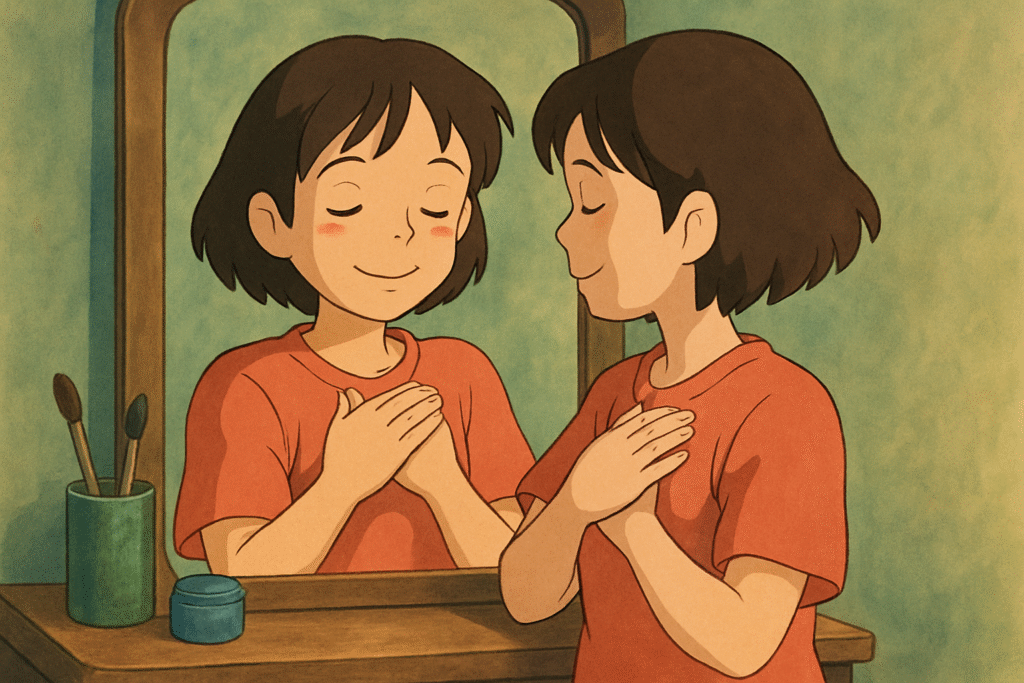
Each trauma response, fight, flight, freeze, or fawn can feel frustrating when it shows up in daily life. But in the framework of Internal Family Systems (IFS), these are not flaws to eliminate. They are parts of you that once worked tirelessly to keep you safe.
The fight part stood up for you. The flight part helped you escape. The freeze part shielded you from overwhelm. The fawn part kept you connected when connection felt fragile. These strategies may no longer serve you in the same way, but they carry a history of protection, not failure.
Think of them like loyal bodyguards who stayed at their post long after the danger ended. They look tense and rigid, but their original mission was love, to protect the most vulnerable parts of you.
Research on self-compassion by Kristin Neff shows that treating yourself with kindness softens stress responses and increases resilience. Gratitude toward these protectors is the first step toward helping them rest.
Conclusion: From Automatic to Aware
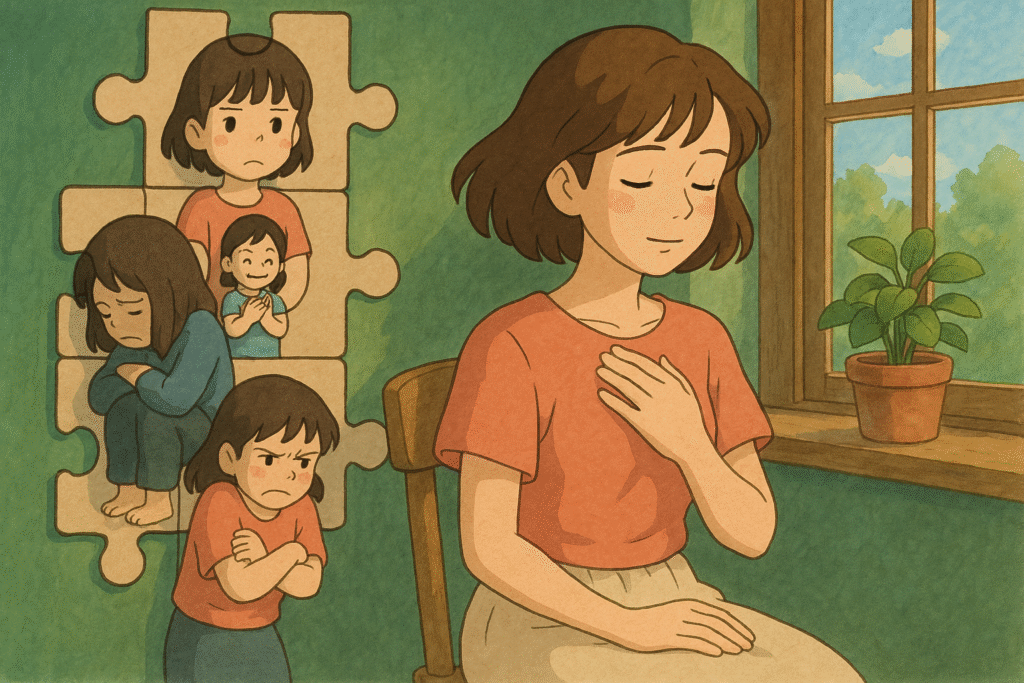
Your trauma type, whether fight, flight, freeze, or fawn, is not your identity. It is your nervous system’s survival strategy, shaped by a time when you needed protection. What once kept you safe may now feel limiting, but awareness changes everything.
By naming your go-to response, you begin to step out of autopilot. You learn to pause and say: “This is my body trying to protect me.” That shift transforms shame into understanding and opens the door to choice.
Think of this journey like learning to drive with both hands on the wheel. In the past, survival responses steered automatically. Now, with awareness, you can take back the wheel and choose a new direction.
Healing doesn’t mean erasing these responses. It means appreciating their purpose and gently teaching your nervous system that new options exist.