
The Art of Gentle Boundaries

Boundaries are not walls. They are bridges built with clarity. A boundary says: “This is where I end and where you begin so we can both stay connected safely.”
For those who grew up with emotional neglect, boundaries often feel foreign. When your needs were ignored, you may have learned to overextend yourself just to feel valued. But healing requires learning that protecting your energy is not selfish, it’s sacred.
Psychologists describe boundaries as emotional safety zones that allow connection without depletion. Research links healthy boundaries to reduced stress and stronger self-esteem because they teach the body that safety doesn’t depend on pleasing everyone.
Think of a garden fence: it doesn’t reject the world, it protects what’s growing. Boundaries serve the same purpose. They keep your inner world healthy, allowing love and kindness to flow without being drained.
What Boundaries Really Are
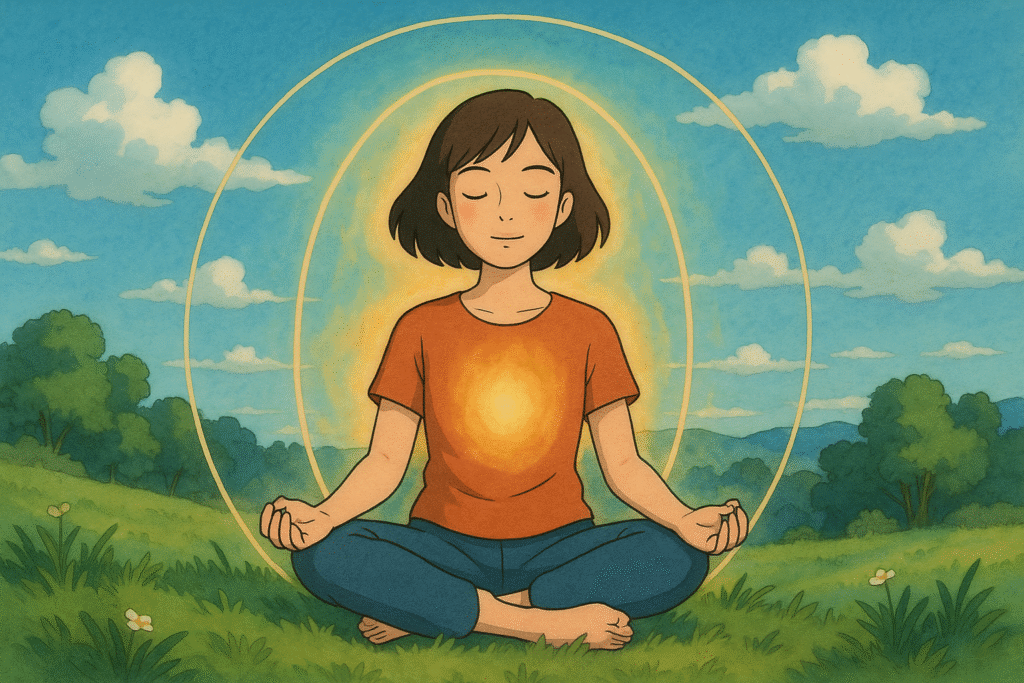
Boundaries are not about keeping people out, they’re about keeping your energy balanced. A boundary is simply a clear understanding of what you can give and what you cannot, rooted in respect for yourself and others.
Psychologists describe boundaries as a core part of emotional regulation. They help your nervous system know where safety begins and ends. When boundaries are missing, the brain often stays in stress mode, trying to manage everyone’s feelings while ignoring your own.
Research in occupational and social psychology shows that clear boundaries lower burnout and increase self-esteem, because they allow the body to rest without guilt.
Think of boundaries like a thermostat. They keep your internal climate stable, even when the environment around you changes. Without one, you either overheat from stress or shut down from exhaustion.
Healthy boundaries aren’t rigid or cold, they’re flexible, consistent, and kind. They make relationships stronger, not weaker, by creating safety through honesty.
The Link Between Neglect and Weak Boundaries

Emotional neglect doesn’t just silence feelings, it also blurs boundaries. When your needs weren’t acknowledged as a child, you may have learned that saying “no” led to disconnection or disapproval. Over time, the message became: “My comfort doesn’t matter as long as everyone else is okay.”
Psychologists call this self-abandonment , the habit of ignoring your needs to maintain harmony. It’s common among people-pleasers and caretakers, who learned that love had to be earned through compliance. But this pattern comes at a cost. Without boundaries, energy drains quickly, resentment builds, and burnout follows.
Think of it like pouring from a cup that’s already empty. You can give for a while, but eventually, there’s nothing left to offer. Boundaries aren’t selfish, they refill the cup so generosity can last.
Research in emotional regulation shows that honouring personal limits reduces anxiety and improves emotional stability. When your nervous system feels protected, connection becomes authentic, not fuelled by guilt or fear.
Types of Boundaries: Physical, Emotional, and Time
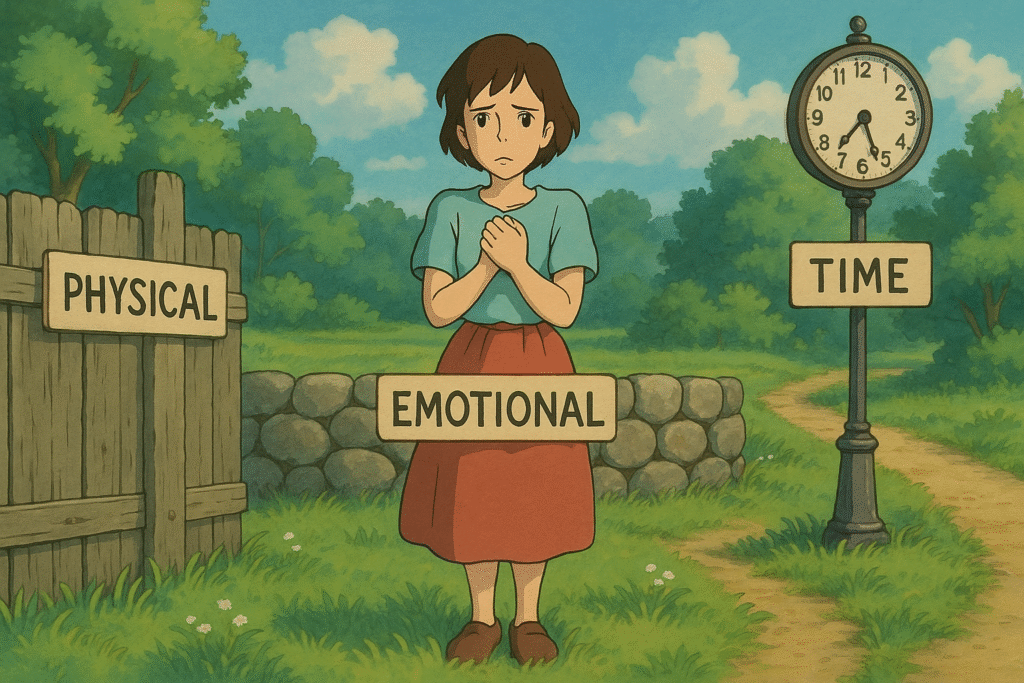
Boundaries exist in many forms, and each one protects a different part of your well-being. When you understand them clearly, it becomes easier to set them with confidence and compassion.
Physical boundaries protect your personal space and comfort. They include touch, proximity, and rest. Respecting them says, “My body deserves safety.”
Emotional boundaries protect your inner world. That means recognizing where your feelings end and someone else’s begin. You can empathize without absorbing another person’s pain.
Time boundaries protect your energy. They ensure that your commitments match your capacity. When you learn to pause before saying “yes,” you honour your limits without guilt.
Think of these boundaries like locks on different doors. Each one keeps something valuable safe, not to exclude others, but to make connection secure. When these doors stay open all the time, your energy leaks. When they’re locked tight, you miss closeness.
Healthy boundaries are doors that open and close with awareness.
The Science of Saying No

For many people raised with emotional neglect, saying “no” feels dangerous. When love was conditional, you learned that agreement kept you safe. But every “yes” that betrays your limits slowly erodes your energy.
Saying “no” is not rejection, it’s regulation. Studies in assertiveness training and stress management show that setting clear boundaries lowers cortisol levels and prevents burnout. When you say “no,” your brain experiences a subtle rise in autonomy and self-trust, two key ingredients for emotional stability.
Think of it like pruning a plant. Cutting back growth may seem harsh, but it allows the plant to thrive. A kind but firm “no” clears space for healthier connections and deeper focus on what truly matters.
The art of “no” lies in tone and intention. It doesn’t need to be sharp, just steady. When spoken with calm respect, it builds trust rather than tension.
Boundaries and the Nervous System
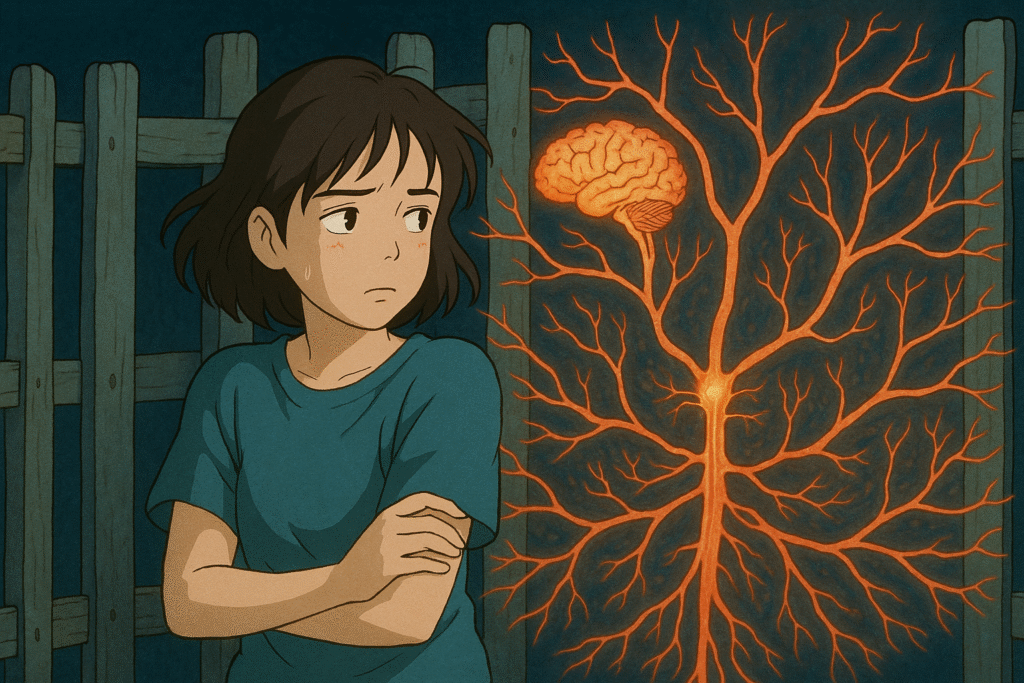
If setting boundaries makes you feel anxious, guilty, or even unsafe, that reaction isn’t weakness, it’s biology. When you grew up equating love with compliance, saying “no” can trigger the same stress response once linked to rejection or danger.
According to polyvagal theory, the nervous system constantly scans for safety. For someone raised in emotional neglect, boundaries can feel like risk instead of protection. The body might tense, the heart race, or guilt rise, all signs of the system interpreting self-protection as threat.
Think of your nervous system like a home alarm that’s been wired too sensitively. It goes off at every small boundary you try to set, even though no real danger exists. The goal isn’t to silence the alarm, but to gently retrain it.
Breathing, grounding, and self-reassurance help your body learn that boundaries are safe. Over time, the alarm grows quieter, and calm replaces guilt.
Kindness and Firmness Can Coexist

Many people believe that being kind means always saying “yes.” But true kindness is honest and not self-sacrificing. You can be gentle and firm at the same time, compassion and clarity are not opposites, they are partners.
Emotional neglect often teaches that peace depends on pleasing others. But boundaries set from love, not fear, actually strengthen relationships. Psychologists studying self-compassion, including Dr. Kristin Neff, have found that when people treat themselves with the same care they offer others, their relationships become more authentic and less strained.
Think of kindness and firmness like the two sides of a steady hand, one softens, the other stabilizes. Together, they create trust, both with yourself and those around you. Boundaries rooted in kindness don’t push people away, they make connection safer and clearer.
When you say no gently, you’re not closing a door. You’re keeping the doorway balanced, wide enough for love, strong enough for respect.
Boundaries as Acts of Respect

Healthy boundaries are not rejection! They are respect. Each “no” spoken with calm, each pause before saying “yes,” is an act of honouring your energy, your time, and your emotional health.
When you grew up without clear boundaries, it may have felt safer to over give. But true connection can’t exist without honesty. Boundaries make relationships stronger because they replace silent resentment with authentic care. They say: “I want to stay connected and this is how it can be healthy for both of us.”
Research in interpersonal psychology confirms that people who maintain firm yet compassionate limits experience less stress and greater relationship satisfaction. Boundaries are not barriers to love, they are its framework.
Think of them like the steady rhythm of a heartbeat: expansion and contraction. Without that rhythm, connection becomes chaos. With it, love flows freely and safely.