
Introduction – Growth Beyond Survival

You’ve made it to the final week. That alone is something to celebrate. Healing emotional neglect is not about reaching perfection, it’s about reclaiming the ability to live, feel, and connect fully.
Thriving isn’t the absence of pain, it’s the presence of resilience. It’s the moment you realize that peace is no longer fleeting, it’s something you can return to, even after chaos.
Neuroscience shows that with consistent awareness, the brain strengthens pathways for calm, empathy, and joy. Each small act of presence, compassion, and boundary-setting has been rewiring your nervous system toward balance.
This final stage is not an ending, it’s a beginning. It’s your invitation to live gently, courageously, and consciously forward.
Recognizing Your Progress
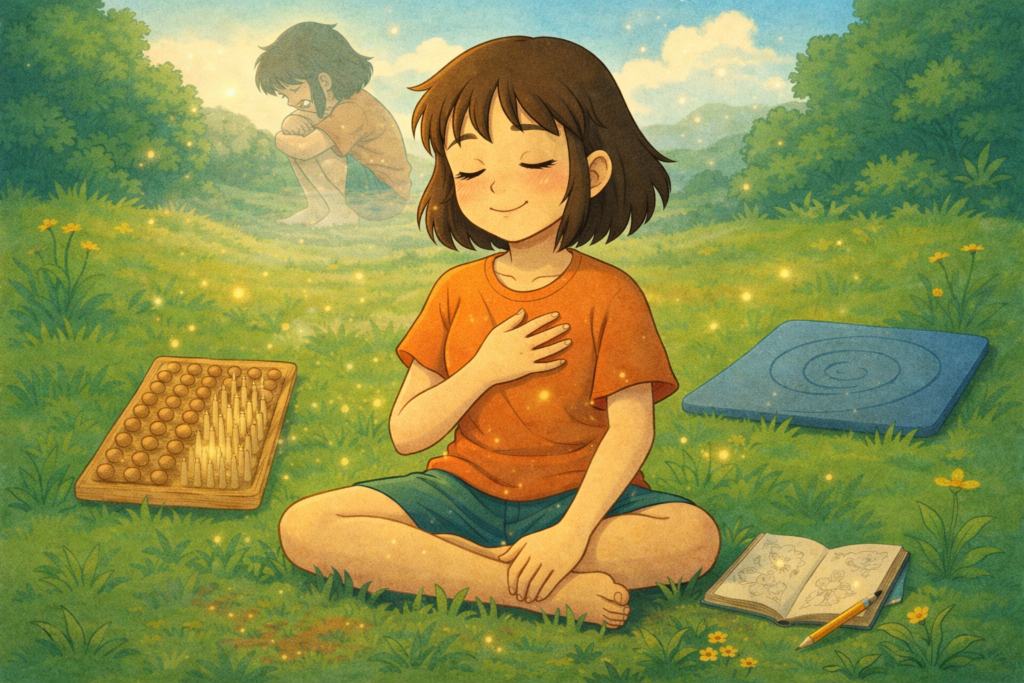
Before moving forward, take a moment to look back. Healing from emotional neglect is subtle work, the kind that often unfolds quietly. You might not feel “transformed,” yet the evidence of growth is already within you: calmer reactions, clearer boundaries, softer self-talk, deeper presence.
Psychologists note that progress awareness strengthens motivation and emotional regulation. When you intentionally recognize change, your brain’s reward system releases dopamine, the chemical that reinforces learning and resilience. Gratitude and reflection don’t just feel good; they help your nervous system register safety and success.
Think of this process like a tree once stripped bare slowly sprouting new leaves. Growth may be gradual, but it’s undeniable. You’ve built roots of awareness, and every small habit from pausing, to naming emotions is proof of life returning to your inner landscape.
Progress isn’t linear or loud. It’s measured in moments of peace that once felt impossible, in the way you now respond to stress with curiosity instead of collapse.
Understanding Relapse and Regression

Healing isn’t a straight path, it’s a spiral. Some days you’ll feel grounded and open, and others you’ll slip back into old patterns of overthinking, numbing, or self-criticism. This isn’t failure. It’s your nervous system revisiting familiar terrain to confirm that it’s truly safe to move forward.
Psychologists describe this as regression for integration, the mind revisits earlier coping mechanisms not to undo healing, but to strengthen it. Neuroscience explains that under stress, the brain’s older pathways activate first. The difference now is awareness. What once consumed you now simply signals, “I’m overwhelmed.”
Think of healing like the ocean’s tide, waves may retreat, but each return reaches a little farther than before. Movement backward is still part of the motion forward.
When you approach these moments with compassion instead of judgment, your body learns that safety isn’t about perfection, it’s about permission to be human.
Building Your Support Network

Healing may begin alone, but it deepens in connection. Emotional neglect often teaches you to rely only on yourself, to hide your struggles and shoulder the world quietly. But true thriving comes when you allow others to walk beside you.
Research consistently shows that social support strengthens resilience and reduces symptoms of anxiety and depression. Safe relationships regulate the nervous system, providing stability during stress. Even one trusted connection, a friend, mentor, therapist, or a support group can help your body feel safe enough to grow.
Think of connection like roots intertwining beneath the soil. Each tree stands tall on its own, but underground, the roots share nutrients and strength. When one tree bends in the wind, the others help steady it. Humans are wired the same way, interdependence isn’t weakness; it’s nature.
You don’t need a large circle to feel supported. You just need consistency, kindness, and mutual care. Healing happens faster in safe company
Daily Practices for Emotional Balance
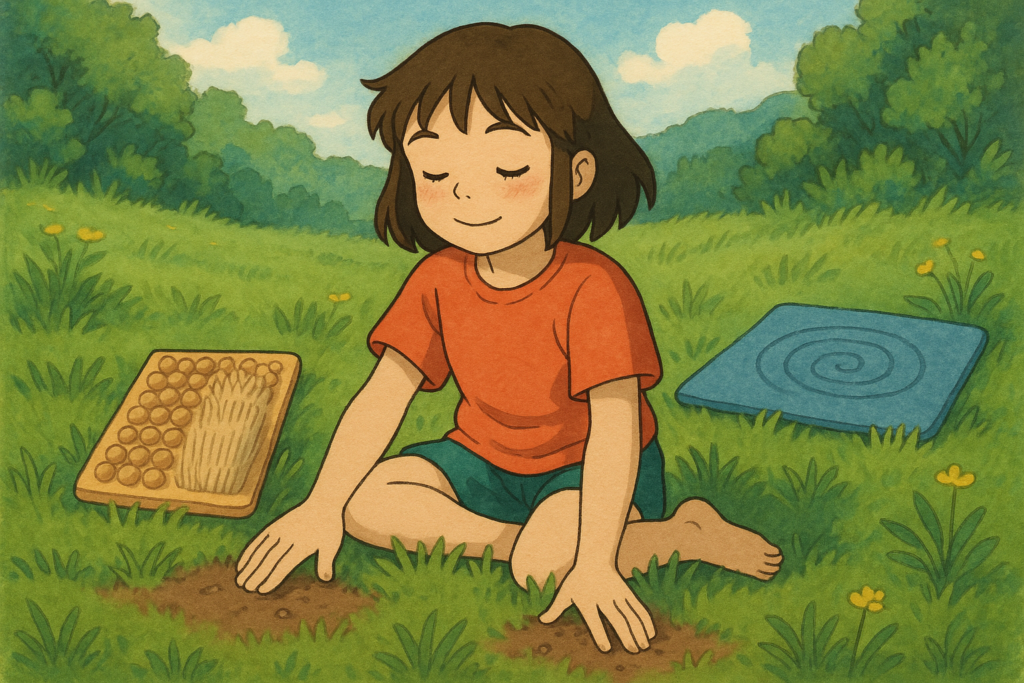
Emotional balance isn’t built in big breakthroughs, it’s built in daily rhythms. Small, consistent actions train the nervous system to expect calm rather than chaos. These habits don’t erase hard days; they give you tools to meet them with steadiness.
Neuroscience shows that routines like grounding, movement, reflection, and gratitude strengthen the prefrontal cortex, the part of the brain that regulates emotion and focus. Repetition sends the message: “Safety lives here.” Over time, your body learns to settle more easily after stress.
Think of emotional balance like tuning an instrument. If you wait until it’s badly out of tune, the process feels difficult. But if you make small adjustments every day, harmony comes naturally.
Start simple:
- Grounding: Feel your feet on the floor, notice your breath.
- Reflection: Journal one emotion or insight each evening.
- Movement: Stretch or walk to release tension.
- Gratitude: Name one thing that soothed you today.
These micro-practices may seem small, but they compound over time, each one a thread weaving calm into your days.
Celebrating Progress Without Perfection

Healing loses momentum when we only focus on what’s left to fix. Real growth happens when we pause to celebrate what’s already blooming. Perfectionism often rooted in emotional neglect, teaches that nothing is ever enough. Celebration rewires that belief by reminding your nervous system that effort itself is worthy of acknowledgment.
Psychologists note that positive reinforcement strengthens new neural pathways. Each time you honour progress, your brain releases dopamine, reinforcing confidence and motivation. It’s not self-indulgence; it’s science.
Think of healing like watching the sunrise. If you fixate on how high the sun still has to climb, you miss the beauty of its first light. Progress deserves recognition at every stage not just when the day feels complete.
Celebrating doesn’t mean ignoring struggle. It means holding gratitude beside the challenge and letting both be true. That balance builds trust within yourself, proof that you’re growing, even when the path feels slow.
Continuing the Healing Journey

Healing doesn’t end, it evolves. The tools you’ve practiced over these eight weeks are not temporary fixes; they’re foundations for a lifelong relationship with yourself. Growth isn’t about never slipping back into old habits, it’s about knowing how to return to balance faster each time.
Neuroscience calls this process neuroplasticity, the brain’s ability to keep rewiring in response to experience. Every time you pause, breathe, or choose compassion over criticism, you strengthen the neural pathways for calm and self-trust. Repetition turns healing into instinct.
There will be moments when you forget , that’s okay. Healing isn’t erased by setbacks; it’s reinforced by returning.
Conclusion: Living With Self-Trust

You’ve walked from invisibility to awareness, from survival to safety, and now, to self-trust. This is what it means to thrive: not to live without pain, but to live with confidence in your ability to meet it.
Self-trust grows every time you listen to your needs, set boundaries, speak gently to yourself, or allow others to support you. It’s the quiet knowing that you can be your own safe place, no matter what unfolds around you.
Psychologists describe self-trust as the foundation of emotional resilience, the belief that you can navigate challenges with care and recover when life feels heavy. Each act of compassion you’ve practiced has strengthened that foundation.
Think of yourself now as a lighthouse, steady, bright, guiding yourself through storms instead of fearing them. The waves still come, but you no longer get swept away.
This isn’t the end of your healing journey. It’s the beginning of a new chapter, one defined by awareness, courage, and love. You’ve learned to meet yourself. And that changes everything.