and you can quit them?
Problem:
Trauma patterns (fight, flight, freeze, fawn) are like addictive loops.
→ People Pleasing (Fawn): Seeking approval, sacrificing your needs.
→ Inactivity (Freeze): Getting stuck in your head without action.
→ Addiction/Workaholism (Flight): Using distractions to escape reality.
→ Self-Centeredness (Fight): Always protecting yourself at others’ expense.
Your brain repeats them for “relief,” even when they cost you long‑term peace.
The New “Abstinence”:
Emotional Sobriety. Living without compulsive reactions—choosing calm over autopilot.
4-Step “Next Self” Plan to Detox Your Trauma Habit
Notice the Urge
Fight? “They disrespected me—I’ve got to defend!”
Fawn? “I need to be liked—better say yes!”
Pause
Take 5 seconds: breathe, feel your feet.
Break the auto‑react loop.
Ask & Clarify
“Can you explain what you meant?”
Shift from reacting to curious listening. Choose Your Move
“Thanks, but I need to pass on that.” Or, “When I heard X, I felt Y—what would help here?”
Bonus Hacks
Future‑Self Check: Will this “yes” feel like regret tomorrow?
Reward Wins: Each boundary honored deserves a mini‑celebration—a stretch, a snack, a moment of “nice work.”
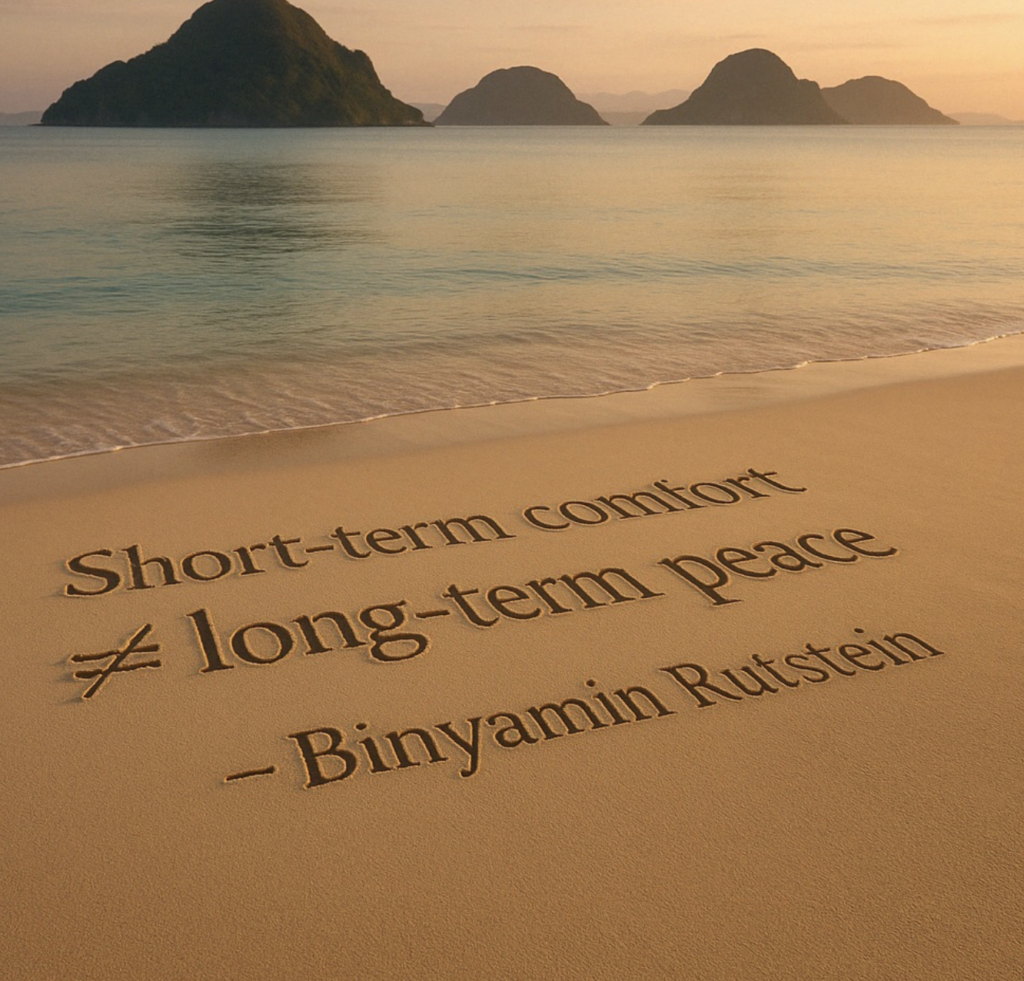
“Short‑term comfort ≠ long‑term peace.”
Emotional sobriety isn’t about being perfect—it’s about walking away from old habits and into freedom.
Practice: Notice → Pause → Ask → Choose → Reward.
Over time, those survival loops lose their pull—and you reclaim the wheel.