
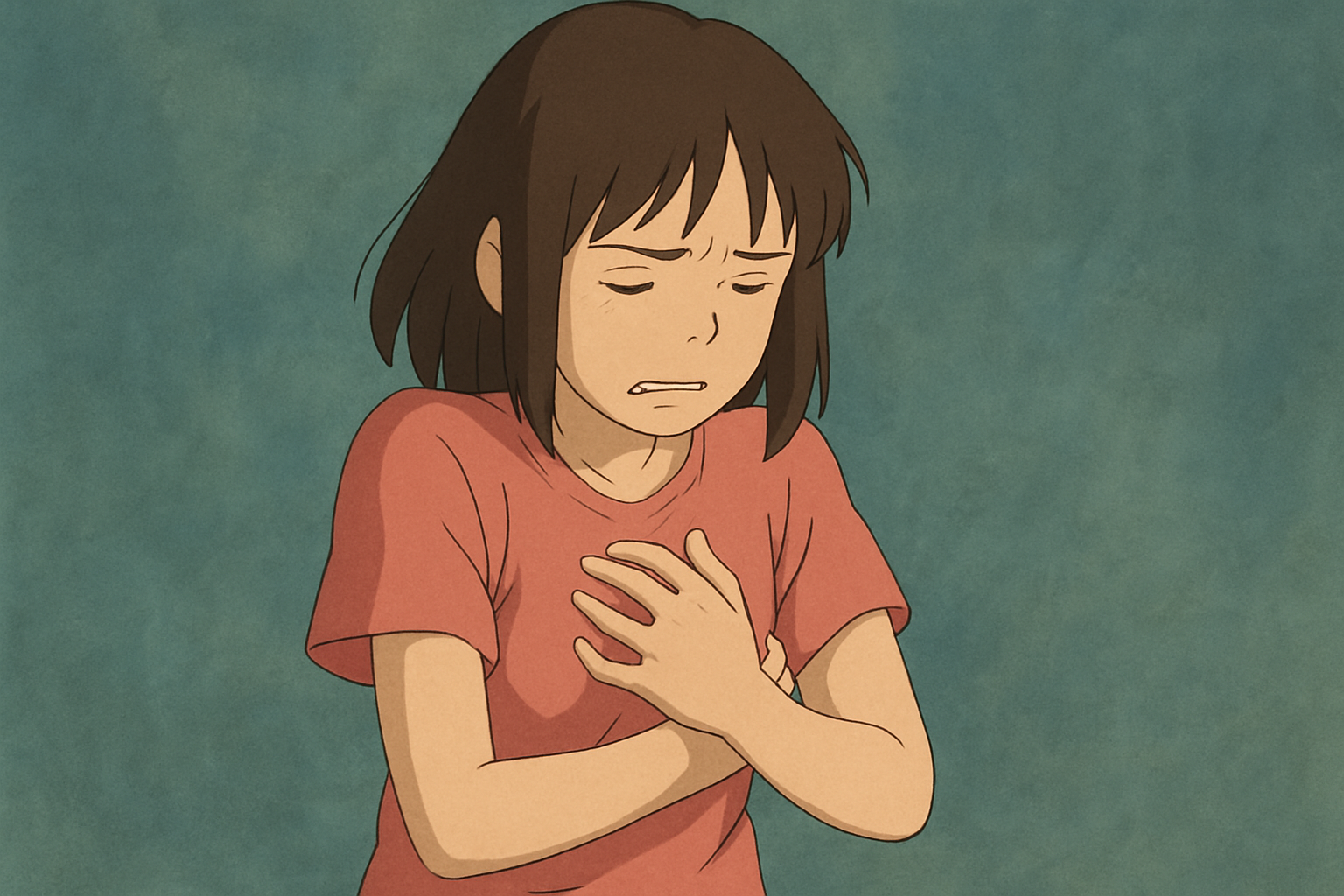
Introduction
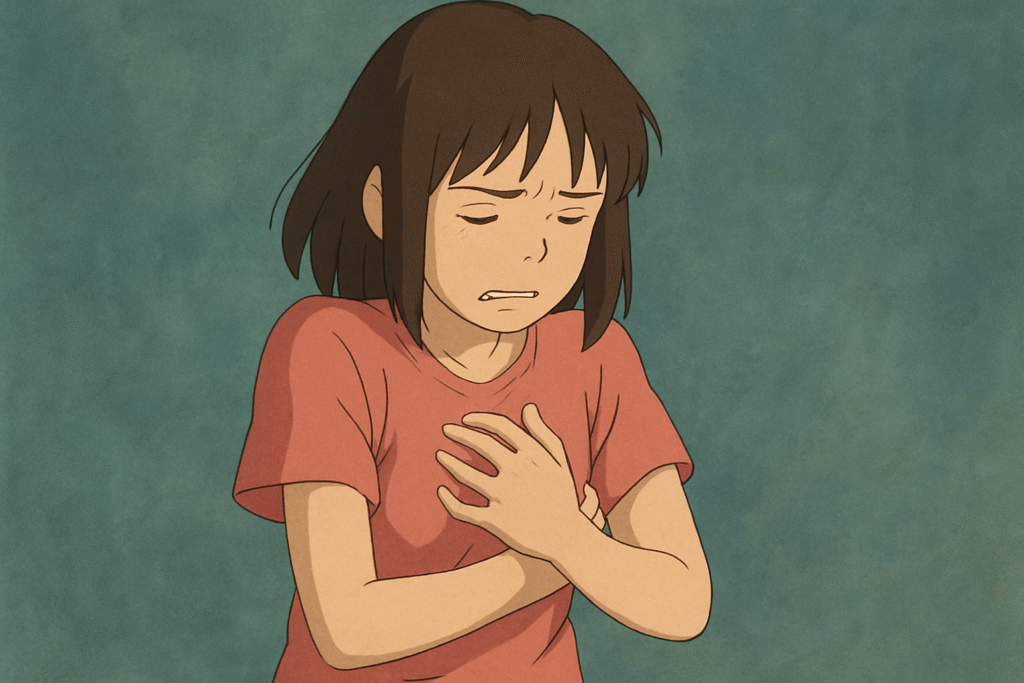
Some wounds are easy to see… a bruise, a scar, a broken bone. But emotional neglect is completely different. It’s the wound of absence…what never came. When a caregiver is distracted, dismissive, or inconsistent, a child doesn’t learn that their feelings matter. Instead, they learn to go quiet inside.
Psychologists define emotional neglect as the consistent failure to respond to a child’s emotional needs. Dr. Jonice Webb describes it as “not what your parents did to you, but what they failed to do for you.” Unlike abuse, which is active harm, neglect is a silence , it is an emptiness that shapes how we grow.
The attachment theory, developed by John Bowlby and Mary Ainsworth, shows that when children’s feelings are unseen, they adapt in ways that protect them in the moment but complicate relationships later. Some become anxiously attached, clinging tightly to others. Some turn avoidant, keeping distance to feel safe. Others feel disorganized, both seeking and fearing closeness.
Think of it like trying to grow a tree in soil missing key nutrients. The tree still stands, but its roots struggle to anchor. Emotional neglect works the same way, invisible, but deeply impactful.
Section 1 – The Myth to Break
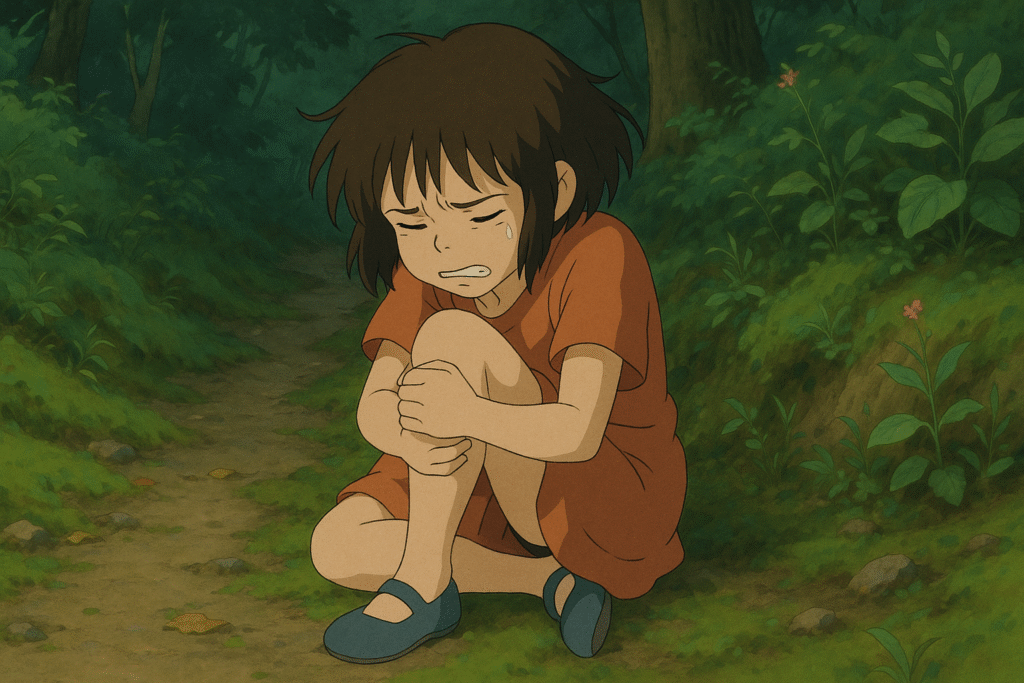
Many people minimize their struggles by comparing themselves to others. They think, “I wasn’t abused, so I shouldn’t feel this way.” But emotional neglect is harm in its own way. It doesn’t wound through violence, it wounds through silence.
Developmental psychology makes this clear, children need more than food and safety. They need emotional support, they need a caregiver noticing their feelings and responding with care. Without it, the child learns to bury emotions to stay connected. This isn’t weakness, it’s survival.
Edward Tronick’s famous “Still Face Experiment” shows how powerful this absence can be. When a mother keeps her face unresponsive, her baby quickly becomes distressed, reaching for connection. When the lack of response continues, the baby eventually shuts down. No abuse took place, yet the absence alone caused pain.
Neglect is like thirst in a desert. No one is hitting you, but without water, the body suffers. In the same way, without emotional recognition, the heart feels unseen. Your pain is not imaginary, it is the natural response to needs that were never met.
Write down this sentence and repeat it daily: “My pain is valid, even without visible wounds.” Let it be your reminder that what was missing matters.
Section 2 – Attachment Basics: How Unseen Feelings Shape Relationships

When children grow up without emotional recognition, they learn to adapt in ways that protect them short-term but shape relationships for life. This is the foundation of the attachment theory.
When a caregiver responds warmly and consistently, the child forms secure attachment,, learning that emotions are safe to express. But when feelings are ignored or dismissed, the child learns different strategies:
· Anxious attachment: staying close, fearing abandonment.
· Avoidant attachment: suppressing needs to avoid rejection.
· Disorganized attachment: craving closeness while fearing it.
These patterns are not conscious choices… they are survival blueprints. Neuroscience shows that the brain wires itself around early caregiving, forming pathways that guide how we seek safety in relationships later.
Think of it like building a house on shaky foundations. You can decorate the walls and live inside, but if the base is unstable, every storm feels more threatening than it should. Emotional neglect leaves that kind of hidden instability.
The good news is that attachment patterns are not destiny. With awareness and new experiences of safety, the brain can learn new ways of connecting.
Section 3 – Parts-Work: Meeting the Silent Inner Child
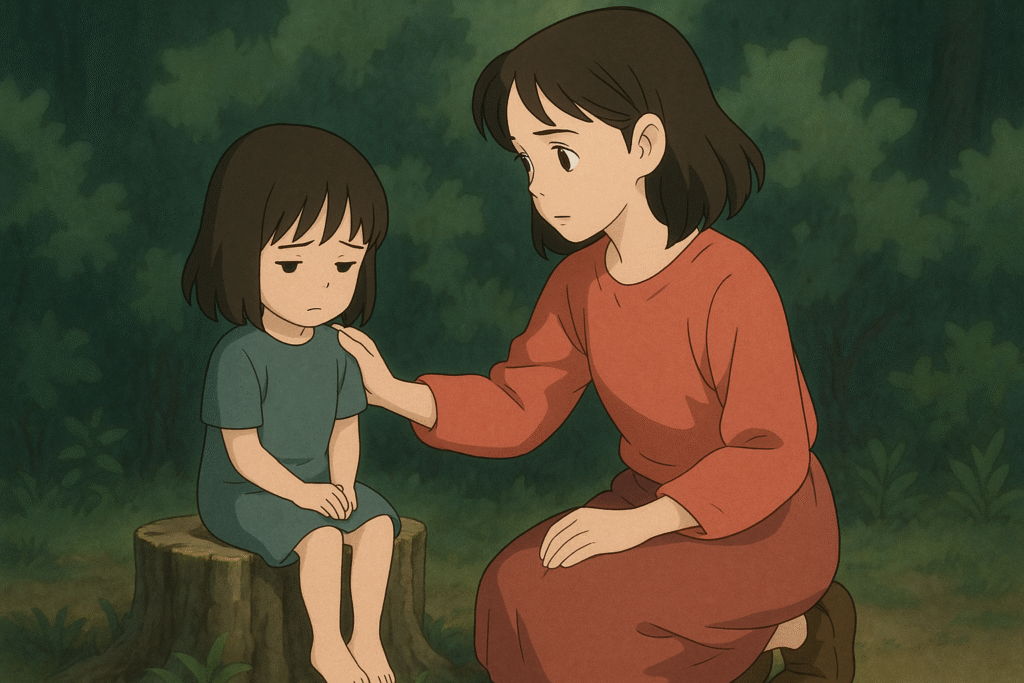
When emotional neglect is part of childhood, one part of us often learns to go quiet. This is the inner child, the younger self who stayed silent to stay safe. That silence may have protected you then, but today it can leave you feeling invisible even to yourself.
In Internal Family Systems (IFS) therapy, these “parts” are understood as protective strategies. The neglected child-part isn’t broken. It’s simply carrying the belief: “If I hide my needs, I won’t be hurt.” Recognizing this part with compassion allows it to finally be seen.
Think of it like a child hiding in the corner of a classroom. At first, they won’t speak, because they’ve learned no one will listen. But if a caring adult sits nearby with patience, the child slowly begins to look up. In the same way, your inner child begins to open when you show gentle, steady attention.
Neuroscience supports this, studies on memory and self-narrative show that revisiting and reframing early experiences can reduce distress and strengthen emotional regulation. What was once hidden can become a source of strength.
Section 4 – Invisible Doesn’t Mean Harmless
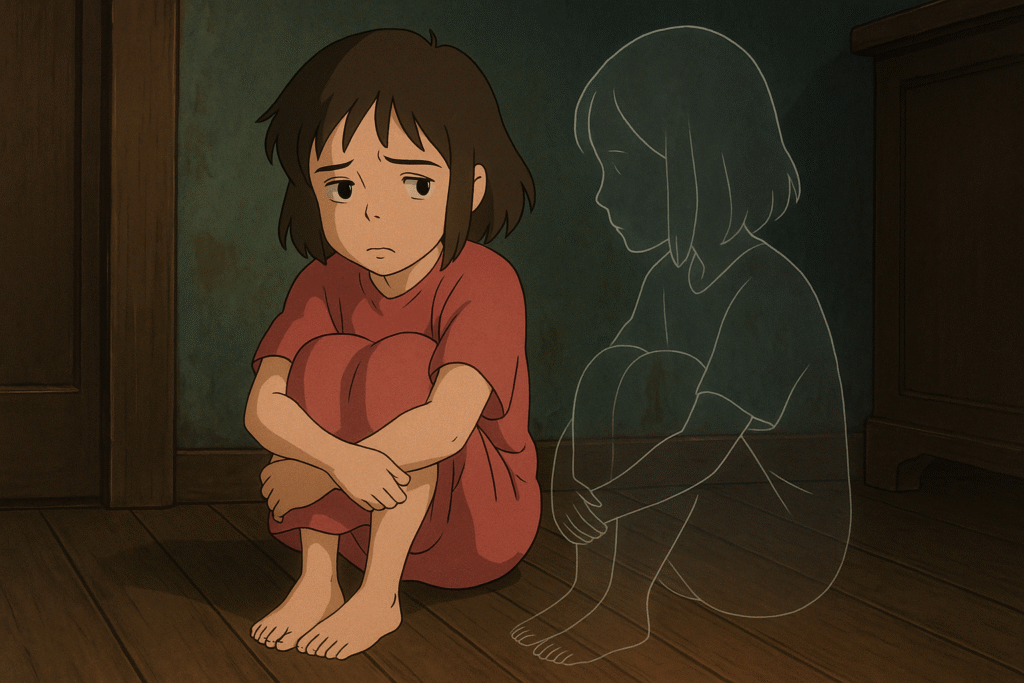
Because emotional neglect leaves no bruises, it’s often dismissed, even by those who carry it. But invisible does not mean harmless. The absence of care can quietly shape how you see yourself and how your body responds to stress.
Research shows that children who grow up without emotional attunement are more likely to struggle with low self-worth, anxiety, or difficulty setting boundaries. Neuroscientist Katie McLaughlin has found that emotional neglect disrupts cortisol regulation, the hormone that helps us manage stress. This makes it harder to feel calm, even in safe environments.
Think of it like an invisible bruise. From the outside, nothing looks wrong. But press on the tender spot, and pain quickly surfaces. Emotional neglect leaves those hidden bruises, invisible until life presses against them through rejection, conflict, or unmet needs.
The impact also shows up in behaviours. Some overachieve, hoping success will earn love. Others stay quiet to avoid conflict. Still others avoid intimacy because closeness feels unsafe. These patterns don’t mean you are broken, they mean your nervous system adapted to survive.
Section 5 -Naming What Was Missing

One of the most powerful steps in healing is simply naming what was absent. Emotional neglect often leaves us with a vague sense of emptiness, but putting words to those gaps gives them shape, and with shape comes the ability for us to heal.
Research at UCLA by Matthew Lieberman found that naming emotions reduces distress by calming activity in the amygdala, which is the brain’s alarm system. In other words, language softens overwhelm. When you say, “I was unseen” or “I needed comfort and didn’t receive it,” you turn confusion into clarity.
Think of walking into a dark room. At first, the shadows feel overwhelming. But when you turn on the light, the shapes are no longer frightening, they are visible and understandable! Naming unmet needs works the same way, it brings hidden fears into the open.
Naming also breaks the cycle of silence. Where your inner child once learned to hide, your adult self can now speak. That act alone is healing, because it declares: “My needs matter.”
Section 6 – First Steps in Reclaiming Your Needs
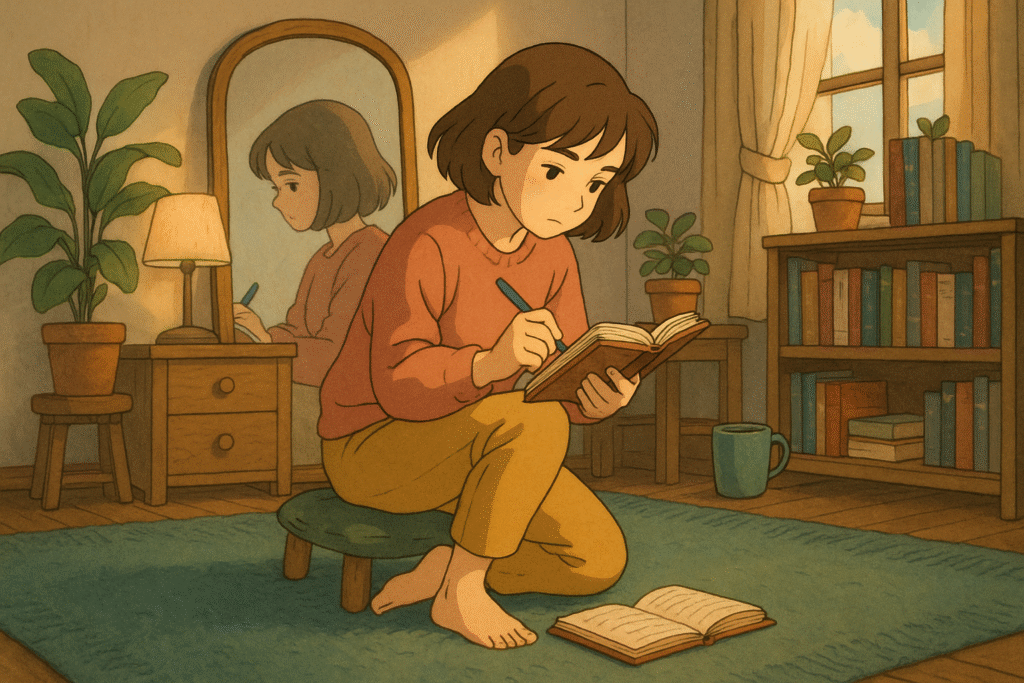
Once you begin naming what was missing, the next step is learning to meet those needs now. Emotional neglect taught you to bury them, but healing means uncovering them one by one and responding with care.
Psychologist Abraham Maslow highlighted that the human need for safety, belonging, and recognition, are not luxuries, but essentials. When these are ignored in childhood, adults often struggle to recognize or prioritize them. The good news is that needs can be reclaimed at any stage of life.
Think of a cup that has been left empty for years. At first, even a few drops of water feel like nothing. But with steady filling, the cup eventually holds enough to nourish. Your needs work the same way, small daily acknowledgments add up to real change and your healing beginning
Practical tools help here. A simple daily check-in, asking, “What do I need right now?” teaches your brain that your feelings deserve attention. Over time, this rewires old neglect into new patterns of care.
Conclusion – Moving from Invisible to Seen
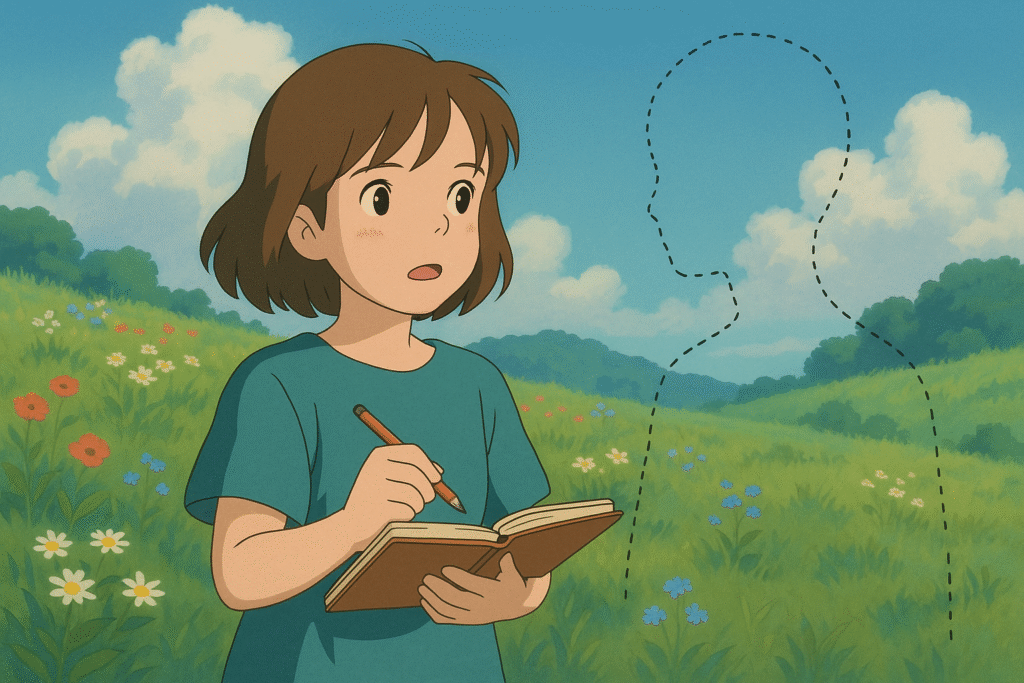
Emotional neglect is easy to dismiss because it leaves no obvious scars. Yet, as we’ve explored this week, the absence of emotional care can shape attachment, silence your inner child, and create invisible bruises that carry into adulthood.
The first step in healing is awareness. By naming what was missing and breaking the myth that “no abuse means no pain,” you give yourself permission to recognize your story as valid. By noticing patterns of silence or overachievement, you begin to see how old survival strategies show up in the present. Most importantly, by acknowledging your needs today, you reclaim what neglect once hid.
Healing doesn’t mean rewriting the past. It means learning to meet yourself differently now, with presence, compassion, and honesty. Small steps matter. A grounding breath, a kind word to yourself, or a daily needs check-in are not just habits; they are acts of repair.
At first, this space may feel unfamiliar, even uncomfortable. But as you adjust, what once seemed empty reveals itself to be full of possibility.
Next week, we’ll explore Survival Mode, how the brain and body adapt to neglect, and how simple somatic tools can help you feel safe again.