
Introduction

At times, you may invisible in your own life. Not because someone shouted at you or hurt you outright, but because no one seemed to notice what you felt inside.
This is the silent wound of emotional neglect. Unlike more obvious forms of trauma, neglect doesn’t leave bruises you can point to. Instead, it leaves a quiet ache, like an unpaid debt that quietly accumulates until one day you realize how depleted you feel.
Psychologists describe childhood emotional neglect as the consistent failure of caregivers to notice or respond to a child’s emotional needs. Dr. Jonice Webb, in her book Running on Empty, explains that when feelings are ignored, children learn to disconnect from their inner world just to survive. Over time, this pattern can turn into a life of emotional numbness, self-doubt, and difficulty setting boundaries.
Attachment researchers like Mario Mikulincer and Phillip Shaver have shown that when emotions go unseen, adults often struggle with connection later in life. They may lean toward anxious attachment, always fearing abandonment, or avoidant attachment, keeping others at a distance to protect themselves. Neuroscientist Katie McLaughlin’s work at Harvard adds that emotional neglect shapes the body too, with chronic stress responses and disrupted cortisol rhythms making it harder to feel safe, calm, and grounded.
And yet, there is hope. The human brain is not fixed. Through neuroplasticity, new patterns can be created, and emotional pathways can be rewired.
Healing begins with small, intentional practices that signal to your nervous system: I matter. My feelings matter. Each step is a declaration that invisibility is no longer your story.
Section 1. Understanding emotional neglect
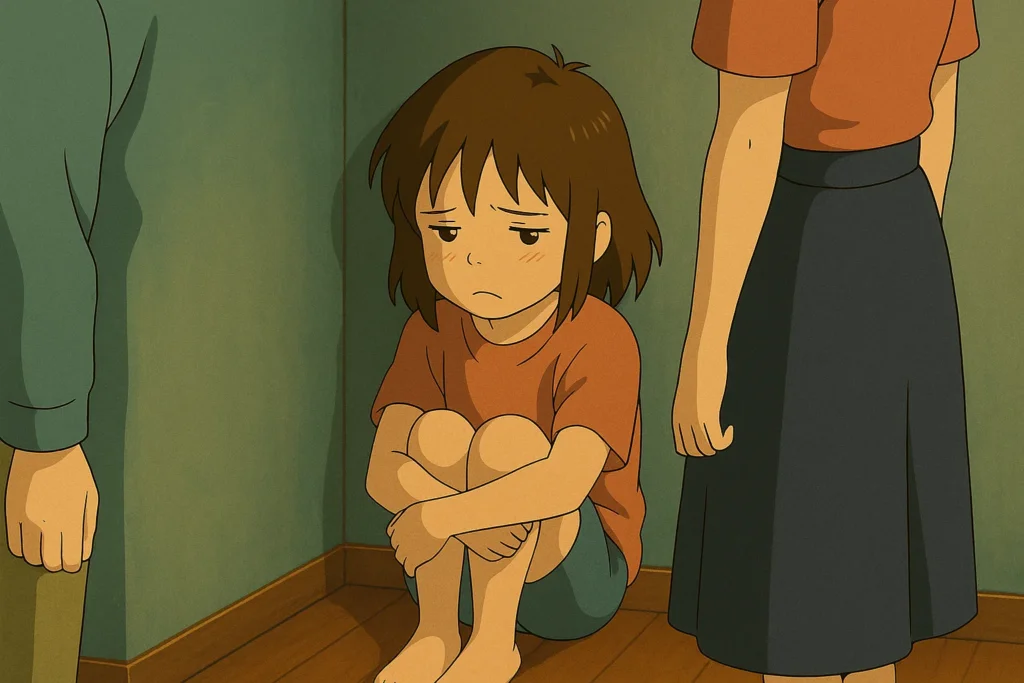
Emotional neglect is often called an “invisible wound” because it leaves no obvious scars. It isn’t about what happened to you, it’s about what didn’t happen. When a parent is distracted, dismissive, or inconsistent, a child learns that their feelings are not important. Over time, this creates a silent message: my emotions don’t matter, so maybe I don’t matter either.
Psychologist Jonice Webb explains that neglect is one of the hardest forms of trauma to recognize, because there is no single event to point back to. It is the absence of care, the empty spaces where love and validation should have been. Imagine a lamp that has all the wiring and structure, but no electricity flowing through it. On the outside, it looks fine, but without power it cannot shine. That is what emotional neglect feels like.
Research on attachment theory shows the long-term impact of these empty spaces. John Bowlby and Mary Ainsworth demonstrated that when a child’s emotions are consistently overlooked, the brain develops strategies to cope. Some children cling anxiously to connection, while others push people away to avoid being hurt again. These early patterns can last into adulthood, shaping how we relate, trust, and even how we see ourselves.
Neuroscience deepens this picture. Studies led by researchers like Bruce Perry and Katie McLaughlin have found that children who grow up emotionally unseen often show heightened stress responses. Cortisol, the body’s stress hormone, becomes dysregulated, leaving adults more prone to anxiety, depression, or difficulty calming down after conflict. What begins as emotional silence can become physical imbalance.
And yet, understanding this isn’t meant to blame or dwell on the past. It is meant to bring clarity. When you realize that emotional neglect was the invisible context of your upbringing, you can stop asking “What’s wrong with me?” and instead begin to ask, “What do I need that I never received?” That shift turns shame into self-awareness, and self-awareness into healing.
“What do I need that I never received?”
Section 3 : Why “Welcome” Matters in Healing

Beginning any healing journey can feel intimidating. When you’ve spent years believing your emotions don’t matter, even the act of showing up to learn about emotional neglect is an act of courage. That is why “welcome” is more than a polite introduction. It is the first remedy to invisibility.
Trauma researcher Judith Herman observed that recovery begins when people feel seen and safe. Without safety, the nervous system stays in survival mode. A genuine welcome signals: you belong here, and your story matters.
Think of it like entering a warm room after standing in the cold. At first, you may still shiver, not trusting the warmth to last. But slowly, your body relaxes. The welcome of warmth does what force cannot: it invites trust. In the same way, welcoming yourself to this healing process is the first step toward building safety within.
Research on self-compassion, led by Kristin Neff, shows that small acts of kindness toward yourself improve emotional regulation. Even acknowledging the courage it took to read this article is one such act.
Healing is not about perfection. It is about progress, and progress is built from small, repeated acknowledgments that say: “I am here and I am worthy of healing.”
Section 3: The First Tool: A “Healing Maintenance Plan”
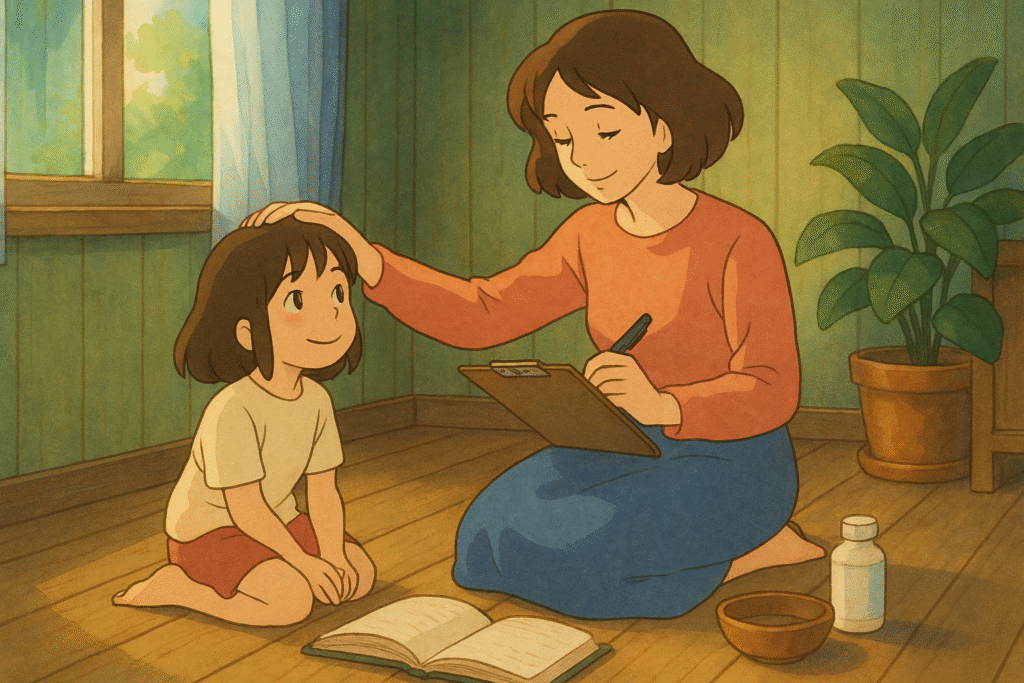
Big change begins with small, steady acts. Think of healing like caring for a garden, one watering doesn’t transform it, but daily attention slowly brings life back to the soil. The same is true for your emotional world. Consistent small practices create safety and self-connection where neglect once left emptiness.
A Healing Maintenance Plan is a simple, three-part ritual you can return to every day:
1. Grounding practice
Take a slow breath. Notice five things you can see, four you can touch, three you can hear. Grounding signals to your nervous system that you are safe.
Polyvagal theory says these signals help switch the body out of “threat mode” and into a state of calm.
2. Compassionate self-talk
Whisper to yourself: “It’s okay to feel what I feel.” Research on self-compassion by Kristin Neff demonstrates that treating yourself with kindness lowers cortisol and increases emotional resilience.
3. Quick boundary check
Ask: “Is this draining me, or nourishing me?” This single question helps you notice whether you are protecting or depleting your energy.
Section 4: Actionable Steps for the Reader

Healing isn’t about doing everything at once. It’s about choosing one small step and returning to it consistently. Imagine building a bridge, each plank may seem insignificant on its own, but together they create a path forward.
Research on habit formation shows that simple, repeatable actions are most likely to stick. When you practice even one grounding activity daily, your brain begins to form new patterns. Every repetition strengthens the message: I matter, and my feelings deserve care.
Here are three steps to begin right now:
1. Write down your Healing Maintenance Plan
o Include one grounding practice, one compassionate phrase, and one boundary check.
2. Commit to one grounding activity daily
o Just sixty seconds of breathing or sensory awareness helps regulate your nervous system.
3. Celebrate the act of starting
o At the end of each day, acknowledge: “I chose to show up for me.” Recognition transforms effort into confidence.
Section 5 : Common Challenges at the Start

The first steps of healing often feel harder than expected. Many people wonder if small practices really matter. Others feel resistance. The old belief whispers, “Why bother? You won’t change.” These doubts are normal.
Psychologists describe this stage as the “extinction burst,” where old habits fight to survive just before new ones take root. Neuroscience research on habit change shows that the brain resists uncertainty and clings to familiar patterns even when they cause pain. That’s why perfectionism, overwhelm, or self-criticism can feel so strong at the beginning.
Think of it like planting seeds. For days, you water the soil without seeing anything grow. It’s tempting to believe nothing is happening. But beneath the surface, roots are forming. The work is invisible before it becomes visible and your healing is the same.
The key is gentleness. Progress is not measured by never stumbling, but by choosing to continue. Each small act, even a single grounding breath signals to your body: I am building something new.
Section 6 : Final Reminder & Encouragement
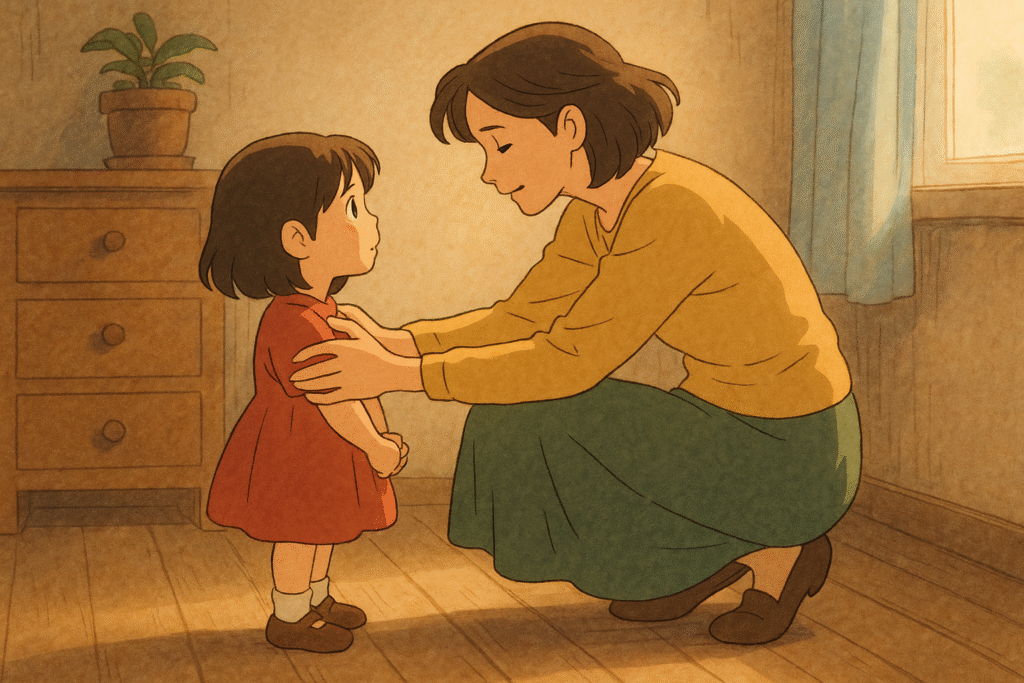
Healing from emotional neglect is not about perfection. It is about progress, built one choice at a time. Every breath you take to ground yourself, every moment you show compassion, every small boundary you notice, these are all victories.
Psychologist Carol Dweck’s research on growth mindset reminds us that lasting change happens when we value effort over outcome. By celebrating each step, you retrain your brain to see healing as possible, not impossible.
Think of it like climbing a staircase in the dark. You can’t see the whole path, but you don’t need to. Each step upward is proof that you’re moving closer to light.
So, let this be your encouragement: if you’ve read this far, you’ve already begun. The fact that you are willing to notice, reflect, and take small actions means you are no longer invisible to yourself. That is healing in motion.
Section 7. Conclusion

Emotional neglect is easy to overlook because it leaves no visible scars, yet its effects can echo through every part of life. This week, you learned that healing begins with awareness, with daily micro-practices like grounding, self-compassion, and boundary checks, all with the courage to simply start!
The journey ahead will bring new tools each week, from recognising hidden patterns to setting gentle boundaries and building safe connections. Step by step, you’ll learn to replace invisibility with clarity and self-trust.
For now, remember: your healing does not depend on doing everything perfectly. It depends on showing up, noticing your feelings, and honouring small wins. Even one breath taken in self-awareness is proof that you’re moving forward.