
The courage to feel

When you’ve spent years surviving, feeling can seem like a threat. Many who grew up with emotional neglect learned early that emotions caused trouble so they buried them. But what we bury doesn’t disappear, it waits.
Learning to meet your feelings is not weakness, it’s courage. It means choosing curiosity instead of judgment, turning toward what you once ran from.
Neuroscience shows that suppressing emotion increases stress and even physical tension. Yet, when we acknowledge feelings, the brain’s threat response quiets. Simply noticing what you feel can shift the entire nervous system toward safety.
Think of emotions as visitors knocking at your door. For years, you may have pretended not to hear them. Now, it’s time to open the door and listen, not to fix, but to understand.
Why we avoid our feelings

Avoiding emotion isn’t a character flaw, it’s a survival strategy. When you grow up with emotional neglect, your brain learns that feelings don’t lead to comfort or understanding. Instead, they seem to cause confusion, rejection, or conflict. Over time, the nervous system equates feeling with danger.
Neuroscientific research shows that when emotions are suppressed, the amygdala, the brain’s alarm system, becomes overactive. This means the body stays on alert even when nothing is wrong. Emotional avoidance may bring temporary calm, but it actually keeps the body trapped in quiet tension.
Think of it like turning down the volume on a song that feels too loud. At first, the silence feels like relief. But after a while, you forget what music sounds like. Emotional avoidance works the same way… it keeps things quiet, but it also numbs joy, curiosity, and connection.
Healing begins by noticing what you’ve been muting. When you turn the volume back up slowly, gently, you start to hear the full song of your emotional life again.
The Science of Mindfulness
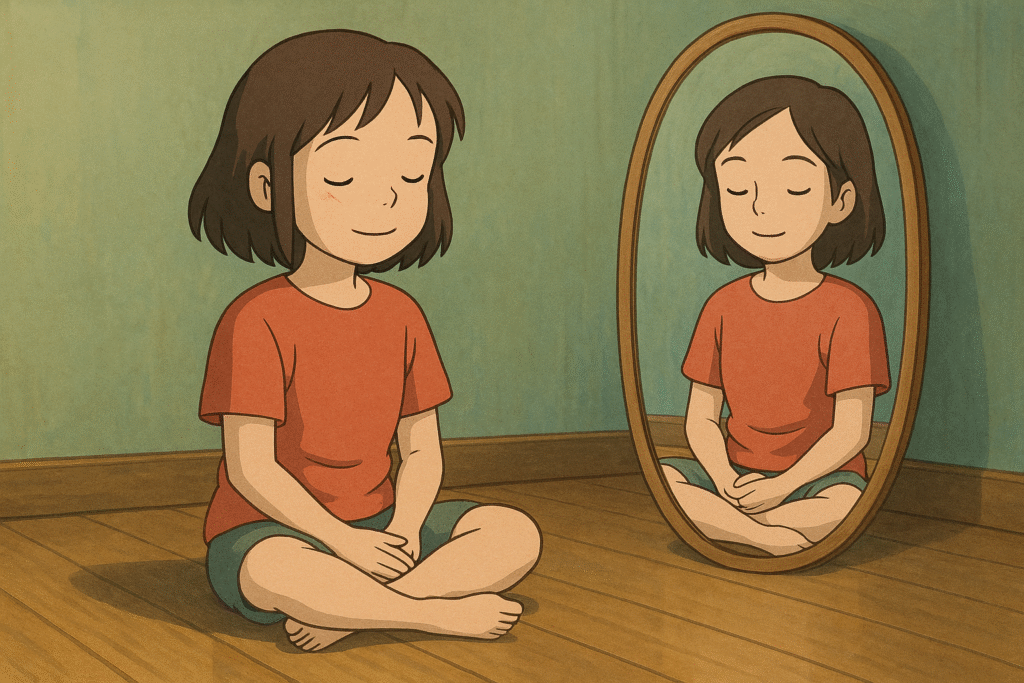
To truly meet your feelings, you need a tool that allows you to notice them without being swept away. That tool is mindfulness, the simple practice of observing your inner experience without judgment.
Dr. Jon Kabat-Zinn, who pioneered mindfulness-based stress reduction, describes it as “paying attention, on purpose, in the present moment.” Research has shown that mindfulness lowers activity in the amygdala (the brain’s fear centre) and increases activation in the prefrontal cortex, the part responsible for emotional regulation. In short, awareness calms reactivity.
Mindfulness isn’t about becoming peaceful overnight. It’s about noticing what’s happening right now, tension, sadness, or restlessness and allowing it to exist without trying to change it.
Imagine your thoughts and emotions as clouds drifting through the sky. Some are light, some are heavy, but none stay forever. You don’t need to chase them away or hold them still, just watch them pass.
Emotion Labelling Made Easy
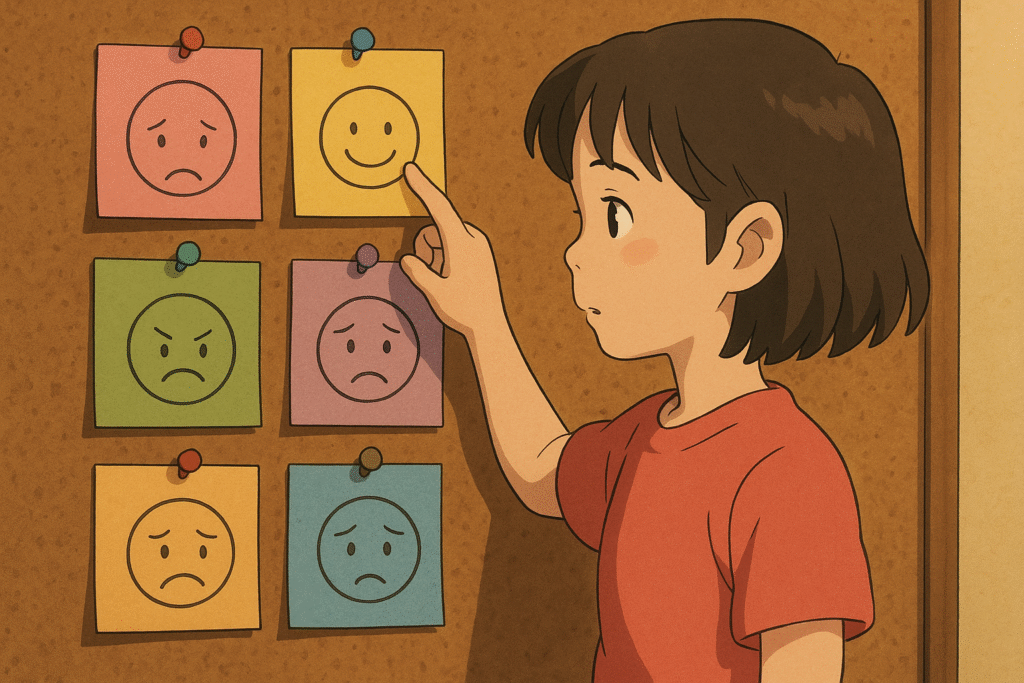
When emotions are vague, they feel overwhelming. But when you put them into words, they start to make sense. Neuroscientist Matthew Lieberman at UCLA found that naming emotions reduces activation in the amygdala and increases calm activity in the prefrontal cortex. In other words, naming it helps you tame it.
Labeling emotions doesn’t mean analyzing them. It’s about recognizing what’s here. Instead of saying, “I feel bad,” you might say, “I feel lonely,” or “I feel frustrated.” Each time you do this, your brain begins to associate language with safety rather than panic.
Think of it like turning on a light in a dark room. The shapes were always there, but until you name them, they look bigger and scarier than they are. Once you label them, they lose their power to control you.
This process builds emotional clarity, the foundation for emotional regulation. The more specific your language, the more grounded your nervous system becomes.
Inner child check

Beneath every adult who struggles to feel is a child who learned that emotions weren’t safe. This part of you, the inner child, still carries the old belief that expressing needs might lead to rejection or shame. Meeting your feelings means learning to meet that child again, with gentleness instead of judgment.
In therapeutic approaches like Internal Family Systems, the inner child is seen as a younger part still seeking safety and understanding. When you pause and ask, “What would my younger self need right now?” you create a bridge between your past and present selves.
Think of it like sitting beside a child who’s been waiting alone. You don’t need to fix or lecture them, just to be there. Over time, that consistent presence builds trust and softens the instinct to hide.
Neuroscience supports this idea, self-compassion reduces the brain’s stress response, signalling safety to the nervous system. By listening inwardly, you begin to re-parent the part that once felt unseen.
Creative Expression as Healing
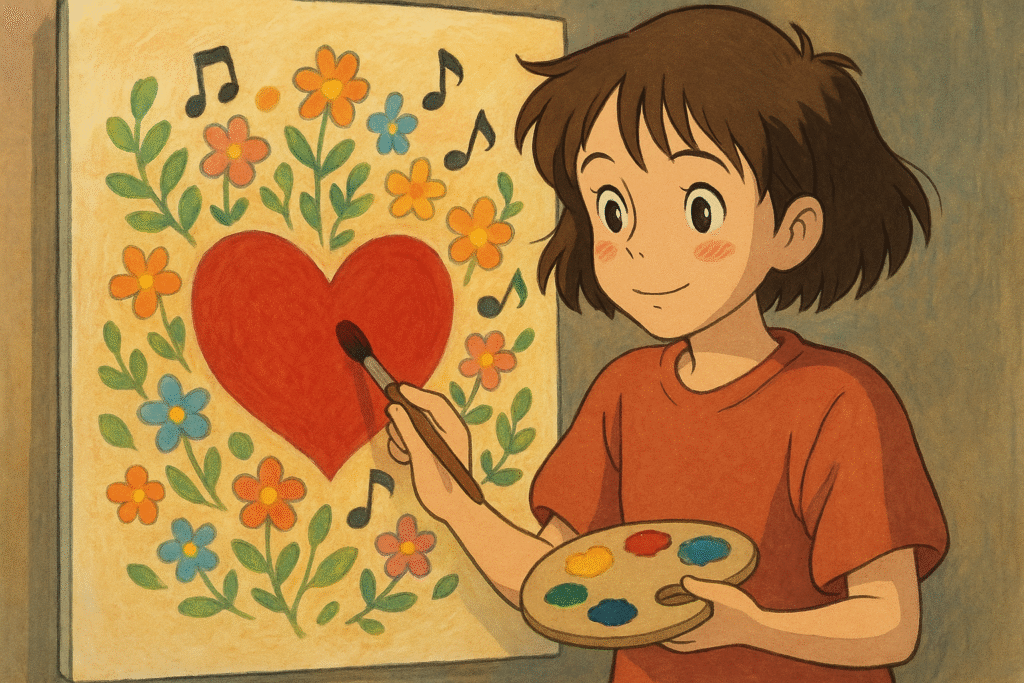
Sometimes words aren’t enough. When feelings are buried for years, they can be hard to explain, but they still need somewhere to go. Creative expression gives emotion a language beyond logic.
Psychologist James Pennebaker’s research on expressive writing shows that putting emotions into creative form through journaling, art, or music it reduces stress, strengthens immunity, and improves emotional clarity. It works because creation helps the brain process emotion instead of suppressing it.
You don’t need to be an artist to heal this way. Creativity isn’t about skill; it’s about release. When you write, paint, sing, or even doodle, you give form to what once felt formless. The act itself transforms emotion from chaos into coherence.
Think of feelings as ink in a pen. If the ink stays trapped inside, it dries out. But when you let it flow, it creates something meaningful. Expression is how emotions move through you rather than getting stuck.
The Power of Pausing
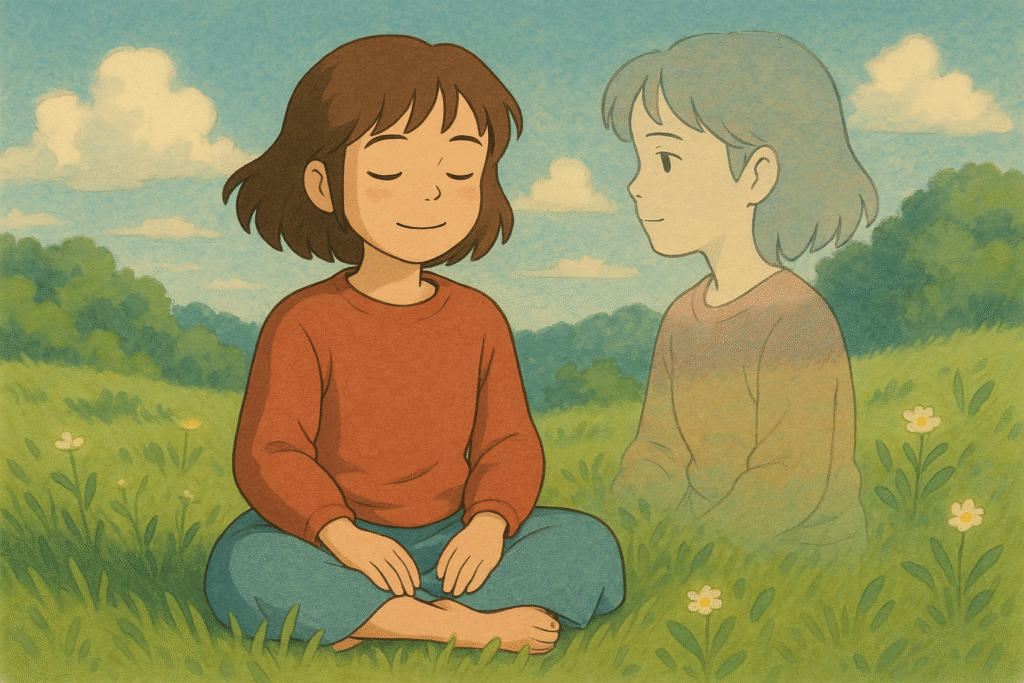
Healing begins not in grand gestures, but in tiny pauses. When you stop, even for a few seconds, you interrupt the automatic rush to react, distract, or suppress. This space is where awareness grows.
Neuroscience shows that brief pauses calm the amygdala and re-engage the prefrontal cortex, the part of the brain responsible for clear thinking and emotional balance. Each pause gives your nervous system a chance to reset, signalling: “I’m safe enough to feel.”
Even three short pauses a day can change your emotional rhythm. The goal isn’t control; it’s connection with what’s real in you right now.
Today, take three intentional pauses. Each time, ask yourself: “What am I feeling right now?” Name it in one word. Notice how the simple act of stopping helps your body settle and your mind clear.
Becoming Emotionally Fluent
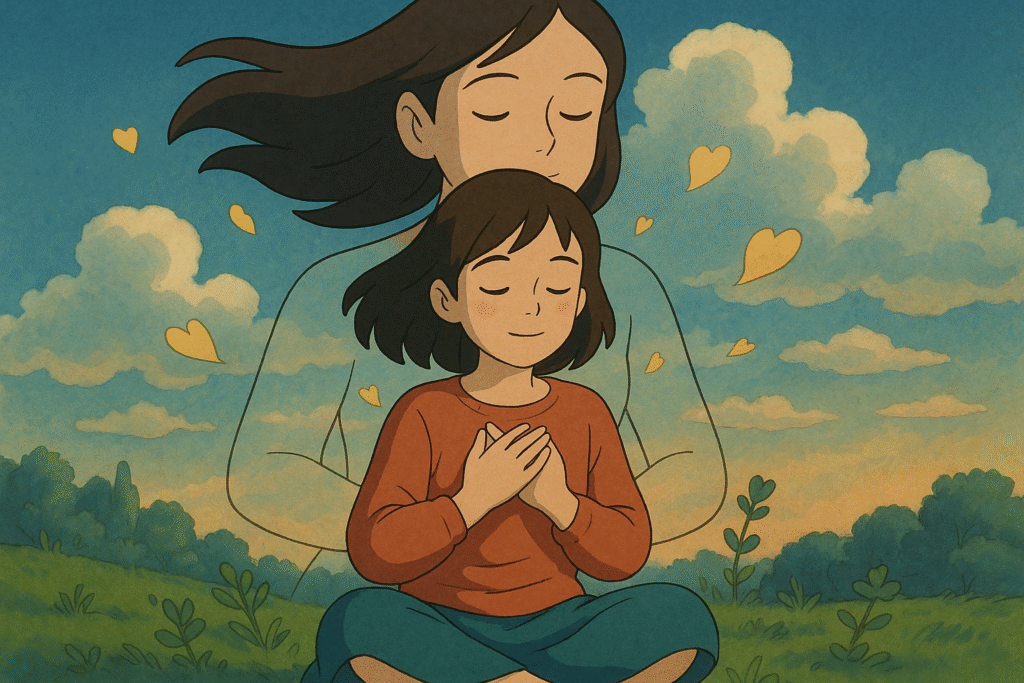
Emotional fluency doesn’t mean feeling good all the time, it means feeling honestly. As you’ve explored this week, meeting your emotions with curiosity instead of fear builds the foundation for self-awareness and inner peace.
You’ve learned that mindfulness quiets the body’s alarm system, labelling emotions makes them manageable, and creative expression helps them move through you. Most importantly, you’ve seen that emotions aren’t enemies, they’re messengers, guiding you toward what needs care.
Think of this process like learning a new language. At first, it feels awkward and slow. You might search for the right words or misunderstand the tone. But the more you practice naming and noticing your feelings, the more fluent you become in understanding yourself.
Every pause, every breath, every word you give your emotions is a step out of silence and into connection. Healing happens not by avoiding what you feel, but by learning to listen.