
Why Survival Mode Matters
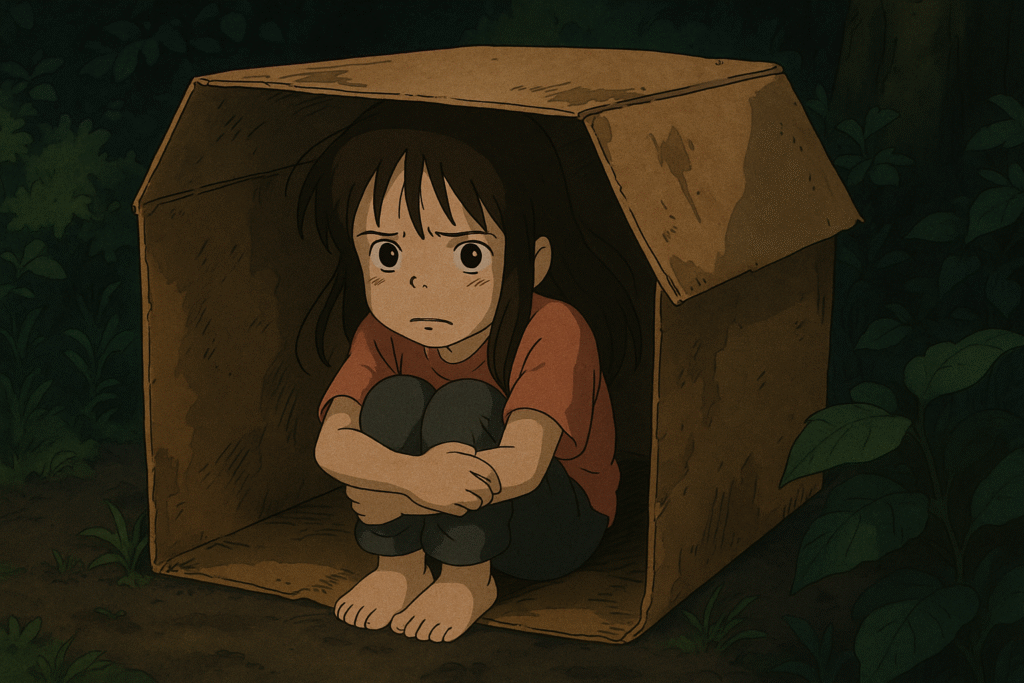
When your emotional needs go unseen in childhood, your body doesn’t just forget. It adapts. It learns to stay on high alert, scanning for danger even in safe moments. This state is often called survival mode and while it once protected you, living in it long-term can leave you exhausted, anxious, or shut down.
Think of it like a smoke alarm that never stops beeping. The alarm is designed to protect you, but if it goes off all day, it wears you down. Survival mode does the same: it keeps you alert, but at the cost of peace and presence.
The Science of Safety vs. Threat
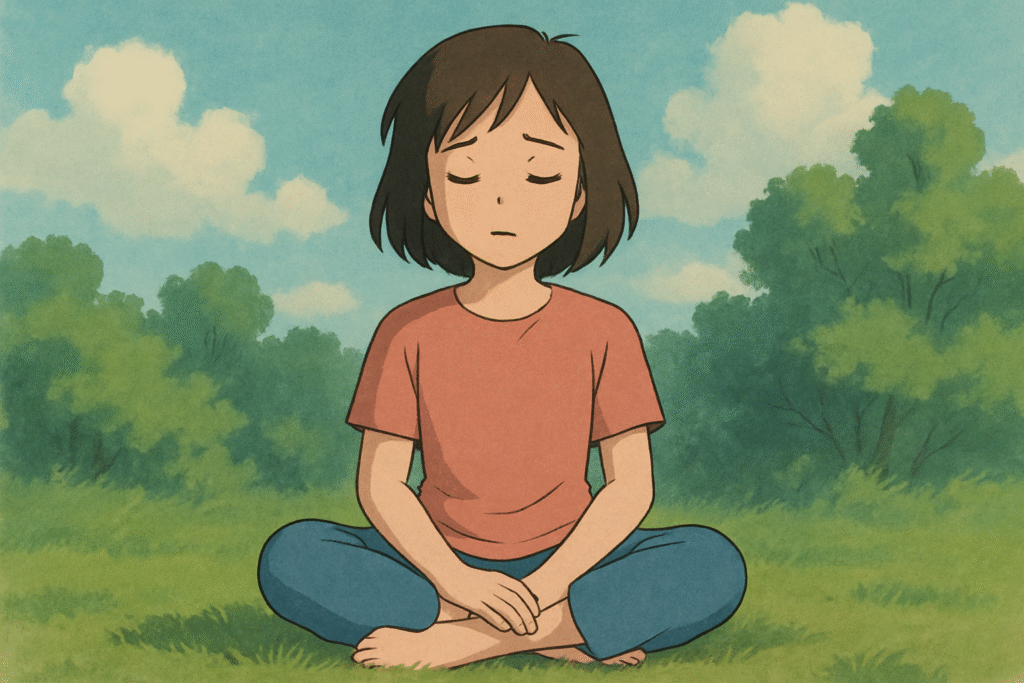
Your nervous system is like the control center of your emotional life. It constantly asks one question: Am I safe, or am I under threat? When the answer is “safe,” your body relaxes and connection feels natural. When the answer is “threat,” your body shifts into survival responses, fight, flight, freeze, or fawn.
Psychologist Stephen Porges calls this the polyvagal theory. It explains how the vagus nerve acts like a switchboard, moving us between states of calm, alertness, or shutdown. In safe states, the body rests, digests, and connects. In survival states, it either activates (fight or flight) or shuts down (freeze or fawn).
Think of it like gears in a car. Drive takes you forward with ease, reverse gets you out of danger, and park allows you to rest. If your childhood lacked consistent emotional safety, your nervous system may have learned to stay in “reverse” or “neutral”, always ready for danger, rarely resting.
The good news, just as a car can shift gears, your nervous system can relearn safety. It begins with noticing what state you’re in.
Self check in: Take one minute to pause. Ask yourself: Right now, do I feel safe, or on edge? Write down your answer. Simply naming your state begins the process of shifting it.
The Four Trauma Responses: Fight, Flight, Freeze, Fawn
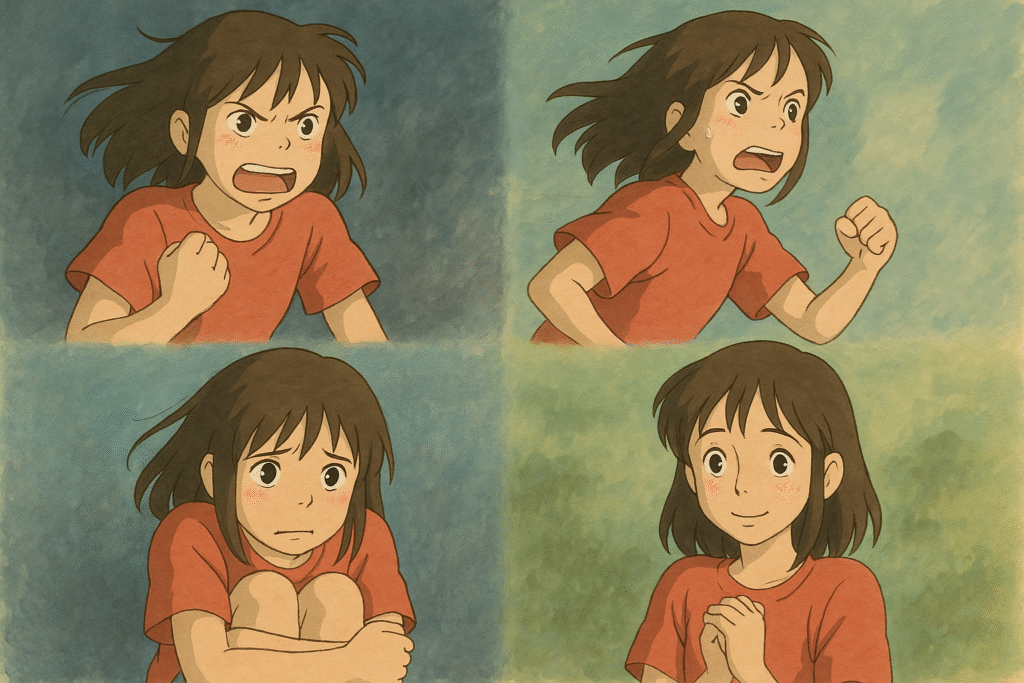
When the nervous system senses threat, it automatically chooses a survival strategy. These are known as the four trauma responses. They are not flaws, they are the body’s way of protecting you when safety feels uncertain.
- Fight: Meeting fear with anger, control, or confrontation.
- Flight: Escaping through busyness, distraction, or avoidance.
- Freeze: Shutting down, zoning out, or becoming indecisive.
- Fawn: People-pleasing or giving up needs to stay connected.
These responses are deeply wired. Research in trauma psychology shows that they develop early as adaptive patterns. If you grew up with emotional neglect, your nervous system may have relied on one response more than others. Over time, it can become your “go-to” way of handling stress.
Think of them as survival apps your brain downloaded in childhood. They were useful then, but if they keep running in the background today, they can drain your energy and limit your choices.
The key is not to judge these responses, but to recognize them as signals: “My body is trying to keep me safe.” Awareness turns protection into choice.
The Brain Under Stress
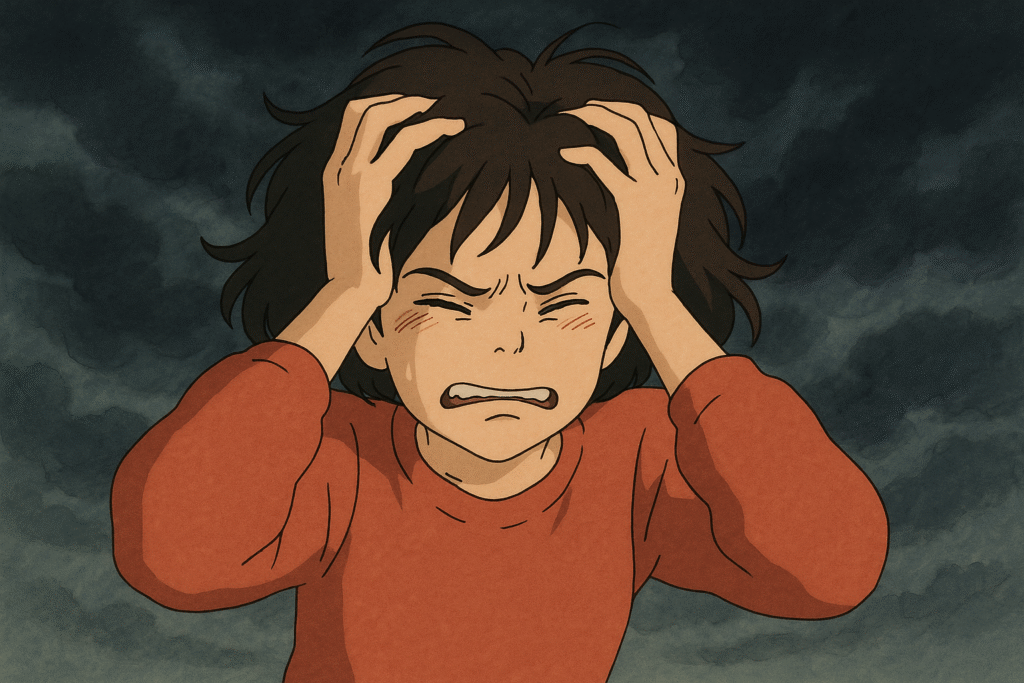
When emotional neglect is part of childhood, the brain learns to adapt to constant uncertainty. Instead of resting in safety, it prepares for threat, even when none is present. This is what it means to live with a nervous system wired for survival.
Research led by neuroscientist Katie McLaughlin shows that neglect disrupts cortisol regulation, the hormone that manages stress. Too much cortisol leaves the body in overdrive, anxious, restless, always scanning. Too little can cause numbness or exhaustion. Over time, these imbalances affect memory, focus, and even immune function.
Think of it like a car engine stuck revving, even when parked. The system isn’t broken, it’s responding as if the road ahead is dangerous. But that constant revving wears down the engine and burns fuel faster than it should.
Understanding this helps reframe your struggles. Forgetfulness, overreacting, or shutting down aren’t character flaws. They are the body’s learned responses to long-term stress. And just as an engine can be tuned, the brain can be regulated through practice and care.
The Body Remembers (Somatic Imprints)
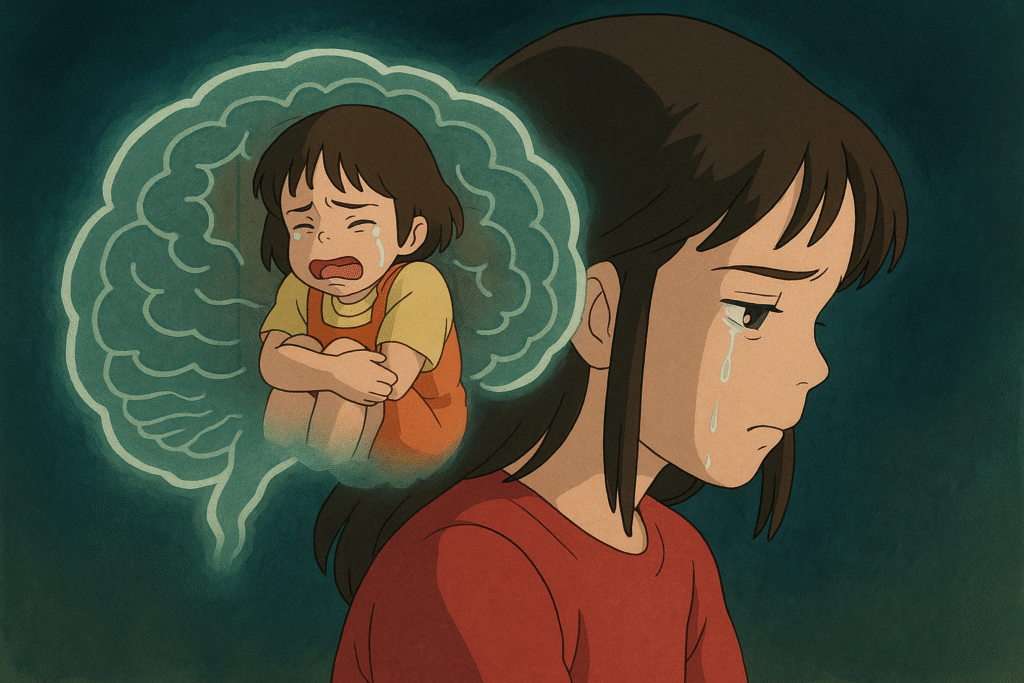
Even when the mind tries to forget, the body holds the story. Emotional neglect leaves somatic imprints, physical traces of survival mode. This might look like tense shoulders, shallow breathing, stomach tightness, or sudden numbness when emotions rise.
Trauma researcher Bessel van der Kolk describes this in The Body Keeps the Score: the body stores unprocessed experiences, often outside conscious awareness. For children who grew up unseen, these imprints become the nervous system’s way of saying, “I’m still carrying the weight of what wasn’t resolved.”
The important truth is this: your body isn’t betraying you. It’s reminding you of what needs care. By learning to notice and respond, you lighten the backpack one brick at a time.
Simple Somatic Tools for Safety
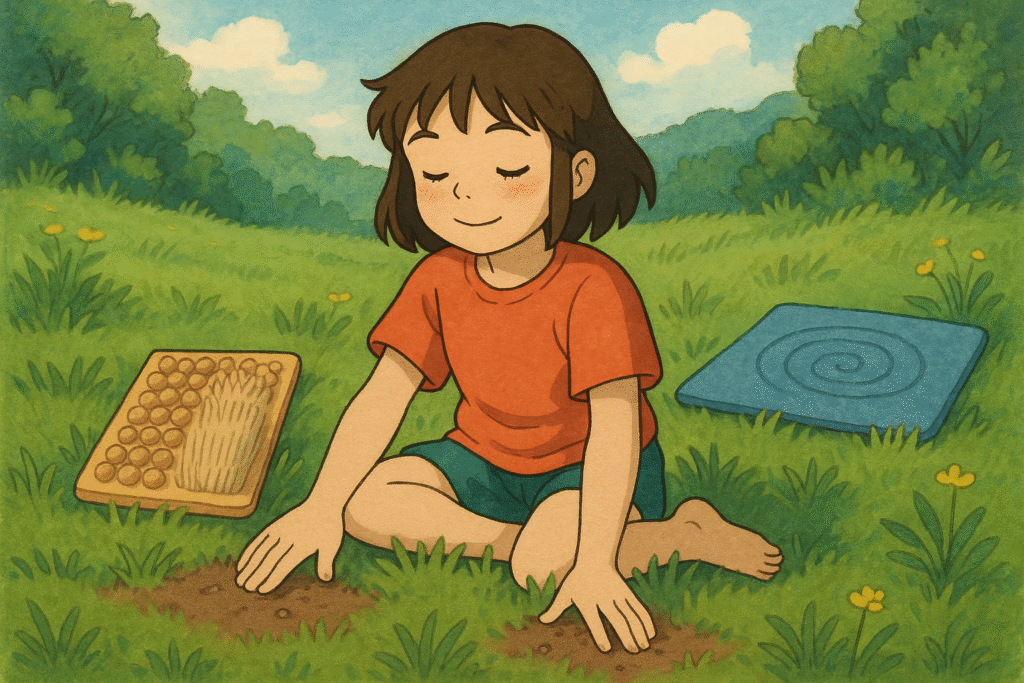
If survival mode keeps the body on high alert, somatic tools help bring it back to safety. “Somatic” simply means body based. These practices send signals through the nervous system that it’s okay to relax.
Grounding techniques are especially powerful. Research shows that slow, steady breathing lowers cortisol and activates the parasympathetic nervous system, the body’s rest and digest mode. Gentle movement, like stretching or walking, helps release stored tension. Sensory check-ins, such as noticing textures or sounds around you, bring awareness back to the present.
Think of these practices as pressing the reset button on a frozen computer. Nothing was “wrong” with the system, it was just overloaded. A gentle reset brings everything back online.
Here are three simple tools to try:
- Breathwork: Inhale for four counts, exhale for six. Repeat three times.
- Sensory check-in: Notice five things you see, four you hear, three you touch.
- Gentle movement: Roll your shoulders, stretch your arms, or walk slowly while paying attention to your steps.
Reframing the Inner Protectors

The fight, flight, freeze, and fawn responses are often judged harshly. People blame themselves for being “too angry,” “too avoidant,” or “too passive.” But these patterns are not weaknesses. They are inner protectors, survival strategies your body created to keep you safe when safety was scarce.
Internal Family Systems therapy (IFS) explains that protective “parts” of us work overtime to shield the more vulnerable inner child. They aren’t enemies. They are bodyguards who took on extra duty in childhood and never got the message that the danger has passed.
Imagine a team of security guards who stayed at their post long after the threat was gone. They look tense and tired, but their original mission was to protect. When you see your trauma responses in this light, shame softens into gratitude.
Neuroscience research supports this shift: studies show that self-compassion reduces stress reactivity in the brain, making it easier to regulate emotions. Recognizing your responses as protectors begins that compassionate reframe.
From Survival to Safety

Survival mode is not a sign of weakness, it is proof of your body’s brilliance. When emotional neglect left you uncertain, your nervous system stepped in to protect you through fight, flight, freeze, or fawn. Those patterns helped you survive. But survival is not the same as living fully.
The science of the nervous system shows that what was once wired for defence can also be rewired for safety. Through grounding practices, self-compassion, and awareness, you can begin shifting from constant alertness into calm presence. Every small step you take is a message to your body: “I am safe now.”
Think of this journey like teaching a guard dog that the danger has passed. At first, it still barks at every sound. But with gentle training and consistency, it learns to rest by your side. Your nervous system works the same way, over time, it can trust safety again.
Next week, we’ll explore “Your Trauma Type” identifying which survival response you rely on most, and how understanding it can help you grow beyond it.