

Meeting Your Inner Ally

The most important relationship you’ll ever have is with your own mind. For many who grew up emotionally neglected, that inner world feels more like a battlefield than a home… filled with self-criticism, guilt, and impossible standards.
The inner ally is the voice that changes that. It’s the part of you that speaks with understanding instead of attack, compassion instead of comparison. Healing begins when you realise that kindness is not indulgence, it’s medicine for the nervous system.
Research in self-compassion shows that gentle inner dialogue lowers stress hormones and strengthens emotional resilience. Each time you replace judgment with warmth, your brain learns a new kind of safety, one based on acceptance, not performance.
Think of it like stepping out of an inner courtroom and into a sanctuary. You don’t need to prove your worth there, you only need to show up honestly.
The Voice of the Inner Critic

The inner critic is the voice inside that points out flaws, replaying every mistake as proof you’re not enough. For those who experienced emotional neglect, this voice often replaced the guidance and reassurance that were missing. Instead of comfort, the child learned self-surveillance, judging themselves before anyone else could.
Neuroscience shows that self-criticism activates the brain’s threat system, releasing cortisol and adrenaline. In other words, harsh self-talk keeps the body in a subtle fight or flight state. The brain responds to our own words as if they were coming from someone else.
Think of the inner critic like a smoke alarm that’s too sensitive, it goes off at every minor spark. Its job is protection, not punishment. It’s trying to help you avoid pain, but it ends up keeping you in constant alert.
The first step in softening the critic is recognising it. When you can name its tone such as fearful, perfectionistic, anxious then you can begin to meet it with understanding instead of resistance.
The Science of Self-Compassion

Self-compassion isn’t self-pity, it’s emotional strength. Psychologist Dr. Kristin Neff identifies three key elements that make it so powerful: kindness, common humanity, and mindful awareness.
Kindness means speaking to yourself the way you’d speak to someone you love. Common humanity reminds you that suffering is part of being human, you’re not broken for struggling. Mindfulness helps you notice pain without letting it define you.
Research shows that self-compassion lowers cortisol levels, increases heart-rate variability (a measure of calm), and strengthens the brain’s capacity for resilience. In short, gentle self-talk helps the body feel safe again — something emotional neglect often disrupted.
Think of self-compassion like a warm hand on your own shoulder. It doesn’t deny the difficulty, it simply says, “I’m here with you.” This small shift changes everything: the nervous system relaxes, shame loses its grip, and healing begins.
Healing the Shame Loop
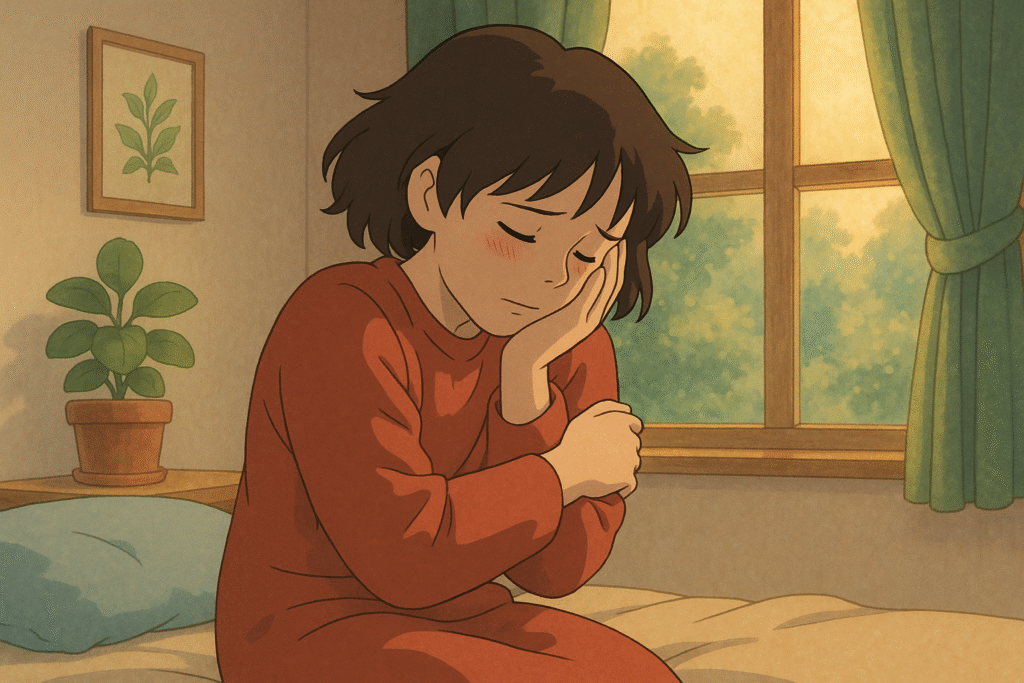
Shame is one of the deepest wounds created by emotional neglect. When your feelings were ignored or invalidated, you may have learned to believe not just “I made a mistake” but “I am the mistake.” That’s the difference between guilt and shame. Guilt says “I did something bad,” while shame says “I am bad.”
This internalised shame can become a loop, the critic attacks, you withdraw, and the silence reinforces the belief that you’re unworthy. Neuroscience shows that shame activates the same pain centres in the brain as physical injury, which is why it feels so consuming.
Healing begins by recognising that shame is not truth; it’s a learned emotional response. It once tried to keep you safe by making you small. But now, it only keeps you disconnected.
Think of shame like a hall of mirrors, every reflection distorted to highlight flaws. When you step outside the hall, the distortion fades, and you see yourself clearly again.
Befriending the Inner Critic

The inner critic isn’t your enemy, it’s a frightened protector. It’s developed to keep you safe in a world that once felt unpredictable or rejecting. For a child who experienced emotional neglect, criticism was often a way to control chaos: “If I’m perfect, I won’t be hurt.” That voice stayed, long after it stopped being helpful.
In Internal Family Systems therapy, this part of you is seen as a “protector.” Its harsh tone hides deep fear, fear of failure, rejection, or loss of love. When you begin to listen instead of fight it, you realise the critic isn’t trying to destroy you; it’s trying to defend you with outdated methods.
Think of it like a guard dog that never got the message the danger is gone. It barks to keep you safe, not to scare you. What it really needs is reassurance, not resistance.
Neuroscience supports this, when you meet self-critical thoughts with empathy, the brain’s threat response quiets. Calm replaces fear.
Building Inner Safety Through Self-Talk

Your inner voice shapes the atmosphere of your nervous system. When that voice is harsh, the body stays tense, waiting for criticism, even when no one else is speaking. When that voice becomes kind, the body begins to relax. This is the foundation of inner safety.
Neuroscience shows that repeated compassionate self-talk rewires emotional pathways in the brain. Each time you respond to yourself with gentleness, you strengthen connections between the prefrontal cortex and the amygdala. Over time, calm begins to override fear.
Think of your inner dialogue like a radio station. When tuned to self-criticism, the signal crackles with static, sharp, restless, and draining. But when you change the station to self-support, the tone softens, and your body finally exhales.
Creating inner safety doesn’t mean ignoring pain. It means speaking to yourself the way a trusted friend would, calmly, clearly, and kindly, especially in difficult moments.
Turning Self-Compassion Into Strength

Many people fear that being gentle with themselves will make them weak or complacent. But research shows the opposite. Studies by psychologist Dr. Kristin Neff reveal that self-compassionate people take greater responsibility for mistakes, persist longer through setbacks, and recover faster from failure. Compassion doesn’t lower standards, it removes shame so growth can happen.
When your inner voice shifts from punishment to patience, resilience naturally follows. You stop fighting yourself and begin to focus your energy on progress, not perfection.
Think of compassion as armour made of softness, gentle to touch, yet strong enough to face life’s hardest blows. It protects you from self-attack while keeping your heart open.
In trauma recovery, strength isn’t built by pushing harder. It’s built by learning to stand beside yourself, especially when things go wrong. The more compassion you practice, the sturdier your foundation becomes.
Becoming Your Own Safe Place

Healing from emotional neglect means learning to treat yourself the way you always deserved to be treated with patience, care, and understanding. Your inner ally isn’t a new personality, it’s the voice that was waiting beneath the noise of criticism to be heard.
As you’ve discovered this week, self-compassion is not self-indulgence, it’s self-respect. It quiets the critic, soothes shame, and teaches your body that safety can exist from the inside out. Every time you speak to yourself with kindness, you rewire the patterns neglect once wrote.
Think of becoming your own safe place like lighting a lantern in a dark room. The shadows don’t disappear instantly, but the light grows stronger each time you practice awareness and warmth. Eventually, that glow becomes your default state, steady, kind, and unshakable.
The more you trust your inner ally, the less you need external validation to feel whole. You begin to carry safety with you wherever you go.