

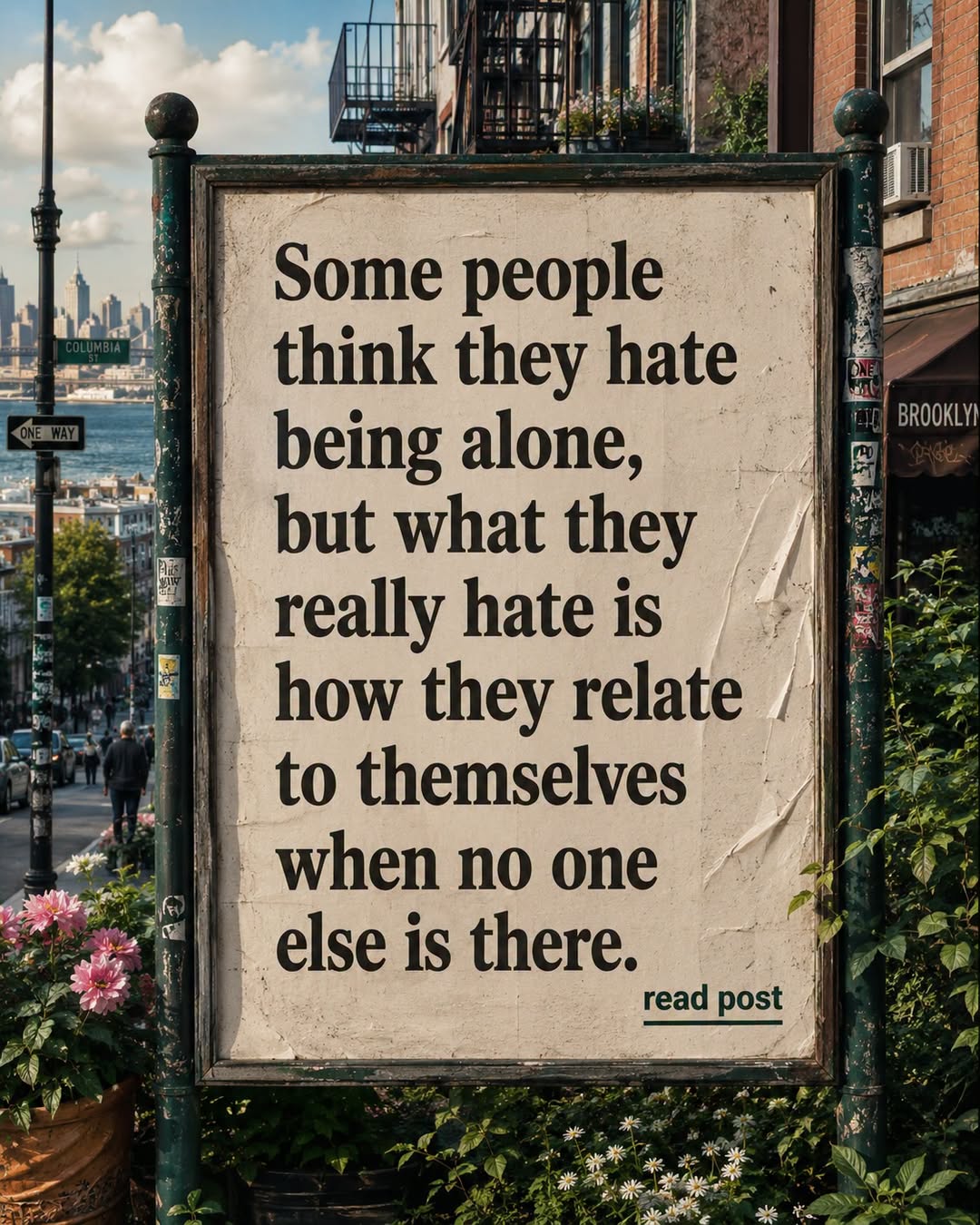
It is how you relate to yourself when no one else is there.
Solitude is being with yourself by choice, not by fear or shame.
Loneliness often comes from relating to yourself through fear, shame, or the feeling that you have been left behind.
How Do Trauma Patterns Deepen Loneliness?
Adaptive trauma patterns can deepen that loneliness.
Fawn (people-pleasing), freeze, flight, and fight are ways the nervous system tries to protect you, but they can also keep you from receiving the relationship you actually desire.
You may want closeness, honesty, repair, and safety, but the pattern may push you to hide, please, shut down, run away, or defend yourself.
What Does Solitude Have to Do With Self-Esteem?
Not knowing how to practice solitude can be a form of low self-esteem.
It can mean you have not yet learned how to relate to yourself with respect, patience, and compassion when no one else is there.
Solitude requires a healthier relationship with yourself.
It means you can be alone by choice, not because fear or shame pushed you away from people.
How Do You Build a Healthier Relationship With Solitude?
That kind of solitude usually takes years to develop.
A healthy relationship with solitude is not built by escaping the world.
It is built by slowly learning how to be alone without abandoning yourself.
Awareness helps you notice the patterns that turn aloneness into loneliness.
Compassion helps you stay with yourself without attacking, escaping, or shaming yourself.
Over time, those skills help solitude become less frightening and more honest.
_________________
Related guides:
Your beliefs influence what kind of reality your nervous system lives in: Beliefs Aren’t Just Ideas"Some people think they hate being alone, but what they really hate is how they relate to themselves when no one else is there."
Explore the NextSelf Blog. Start with this post explaining the world of souls, and what does it mean to be light? And my Youtube. Content is published to this facebook first and a few days later, to the blog.
The blog lists all the difference patterns to study, understanding patterns is how one can develop 'Daas' [felt knowing].
Content does not provide medical services or professional counseling, and it is not a substitute for professional medical care.