

And not all narcissists are abusive. These ideas overlap. But they are not the same thing. Narcissism is mainly about self-image.
Wanting admiration.
Protecting ego.
Needing validation.
Abusive thinking is different.
What is abusive thinking really about?
It is about control and power. Dominating conversations. Silencing disagreement. Punishing independence. Forcing situations to go your way. Abusive thinking often creates two sets of rules.
One for them.
One for everyone else.
They can yell, but you must stay calm.
They can criticize, but you must “be respectful.”
They can invade your boundaries, but questioning them is called controlling.
Is abuse just ego, or is it hierarchy?
This is not just ego.
It is hierarchy. And hierarchy is how control and power operate. But not all hierarchy is abusive.
Healthy hierarchy is about responsibility and service.
Parents protect children.
Teachers guide students.
Leaders serve the people they are responsible for.
Abusive hierarchy is different. It is not about service. It is about domination. One person’s needs always come first. Their voice dominates. Their rules apply to everyone else.
But the same rules do not apply to them.
Why can control become an addiction?
Some narcissistic people may become abusive. But a person does not need narcissism to develop an addiction to control and power. That pattern often grows because control works.
It releases anger.
It reduces anxiety.
It forces the outcome they want.
Over time the brain can learn:
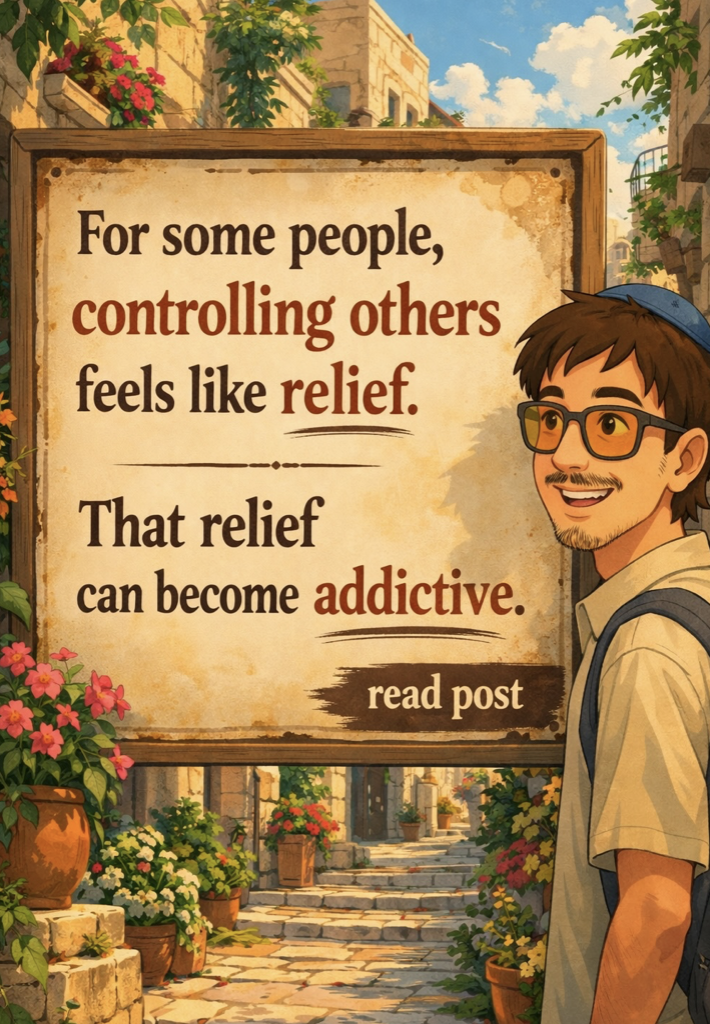
Control brings relief. And relief can become addictive.
That is how abusive thinking grows. Not only from insecurity. But from repeating a pattern where domination feels rewarding.
Where do these patterns begin?
Often these patterns begin early.
Childhood is when people first learn how to handle anger, fear, and shame. Some children learn to regulate emotions through honesty and connection.
Some learn to cope through people pleasing.
Others learn to avoid conflict to stay safe.
And some children learn that control or intimidation shuts painful feelings down. Over time the nervous system can begin to rely on control to numb distress.
That does not excuse abuse. But it helps explain why the pattern can become deeply learned. And why it must be unlearned with new skills. This is why understanding abuse
matters. If we call everything narcissism, we miss the real pattern.
Why does naming the real pattern matter?
And the real pattern is this:
Some people learn to regulate their emotions through control and power. Recognizing that pattern is how people stop tolerating it. And how abuse finally stops.
Questions people ask
What is the difference between narcissism and abuse?
Narcissism is mainly about self-image. It wants admiration, protects ego, and needs validation. Abusive thinking is different. It is about control and power, dominating conversations, silencing disagreement, and punishing independence. The two ideas overlap, but they are not the same thing, and one does not automatically mean the other.
Can a person be abusive without being a narcissist?
Yes. A person does not need narcissism to develop an addiction to control and power. That pattern often grows because control works. It releases anger, it reduces anxiety, and it forces the outcome they want. Over time the brain can learn that control brings relief, and relief can become addictive.
What is the difference between healthy and abusive hierarchy?
Not all hierarchy is abusive. Healthy hierarchy is about responsibility and service. Parents protect children, teachers guide students, and leaders serve the people they are responsible for. Abusive hierarchy is about domination instead. One person’s needs always come first, their voice dominates, and their rules apply to everyone except them.
Why do abusive people have two sets of rules?
Because the pattern is not just ego. It is hierarchy, and hierarchy is how control and power operate. Abusive thinking creates two sets of rules: one for them, one for everyone else. They can yell, but you must stay calm. They can criticize, but you must be respectful. They can invade your boundaries, but questioning them is called controlling.
“For some people, controlling others feels like relief. That relief can become addictive.”
Explore the NextSelf Blog. Start with this post explaining the world of souls. And my Youtube.
The blog lists all the difference patterns to study, understanding patterns is how one can develop 'Daas' [felt knowing].
Update: As awe, trust, and love deepen, they can allow greater openness and intimacy with the Creator. That intimacy can include sadness when you notice how much more of His goodness can be revealed.