

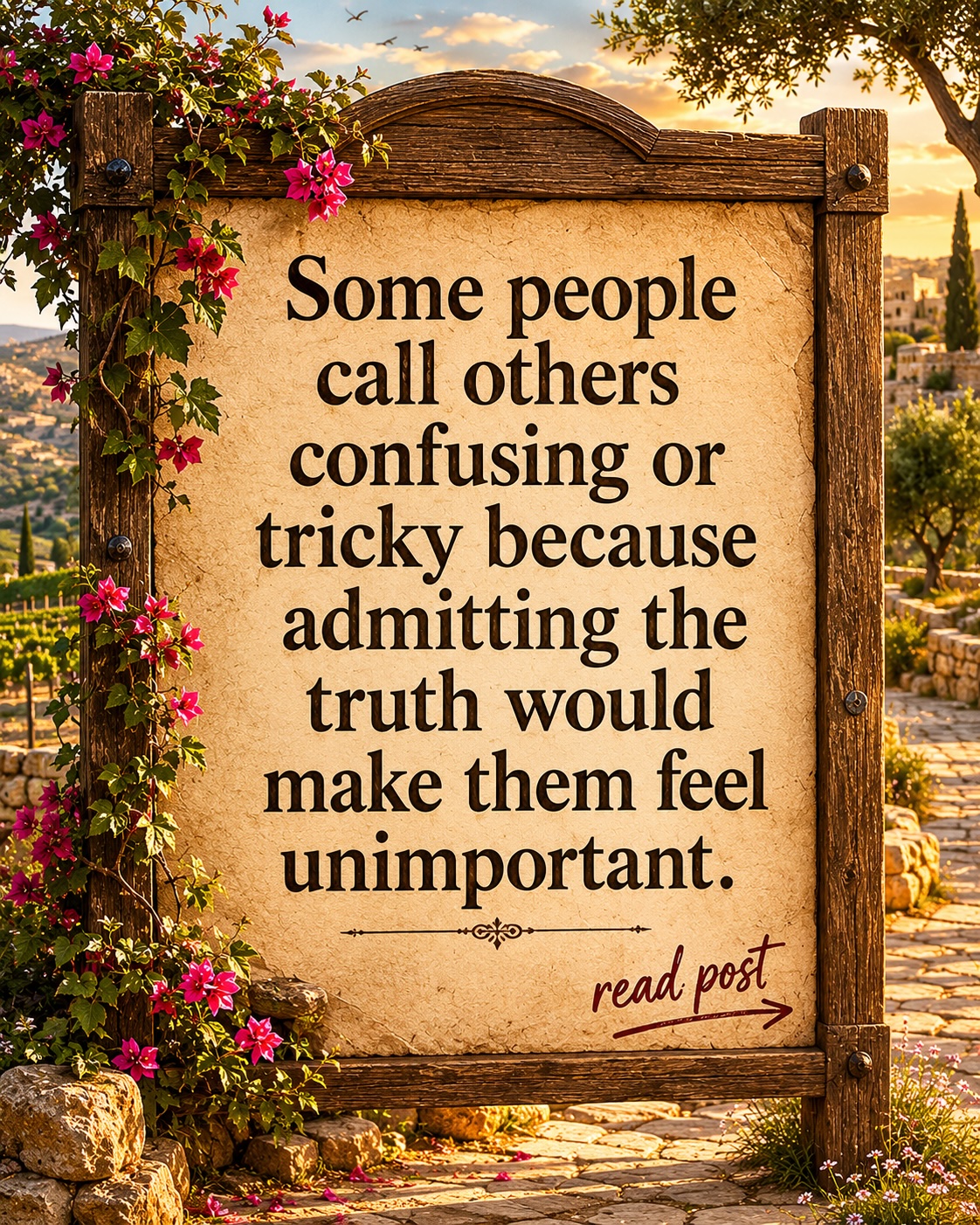
being wrong can feel too humiliating to admit.
Why Does Pride Protect Low Self-Esteem?
So the mind protects the ego by accusing the other person of being tricky, manipulative, confusing, or unfair.
Instead of saying:
“Maybe I misunderstood.”
The person says:
“They’re playing games.”
That is how pride protects no self-esteem.
What Is the Way Out of Shame?
But the way out is not more shame.
Shame usually makes the ego defend itself harder.
The way out is compassion with responsibility.
How Do Compassion and Responsibility Lead to Repair?
First, compassion for the other person:
“Their experience matters. Maybe they were trying to say something real.”
Then self-compassion:
“My feelings make sense too. Being wrong feels painful because I want to matter.”
(if unhealthy thinking is intense, healthy thoughts have to be repeated dozens or hundreds of times)
Then responsibility:
“What actually happened here? Did they trick me, or did I misunderstand?”
Self-compassion does not mean excusing yourself.
It means calming the shame enough to tell the truth.
Because when a person can admit, “I was wrong,” without feeling like they are nothing, they become capable of repair.
And repair is where real relationship begins.
“Some people call others confusing or tricky because admitting the truth would make them feel unimportant.”
__________________________
More guides:
Why does shame have to exist? There is a kind of humility that is healthy
Why does out of control narcissism cause an individual to not care about your perspective? Narcissists don't wonder what you meant.
Does a narcissist believe the Creator is good? When a narcissist says "G-d is good,"
Trauma takes away your awareness: From what we know about trauma today
For hundreds of guides to psychology informed spirituality: https://www.facebook.com/binyomin.rutstein/photos
Explore the NextSelf Blog. Start with this post explaining the world of souls, and what does it mean to be light? And my Youtube. Content is published to this facebook first and a few days later, to the blog.
The blog lists all the difference patterns to study, understanding patterns is how one can develop 'Daas' [felt knowing].
Content does not provide medical services or professional counseling, and it is not a substitute for professional medical care.