

and you can quit them?
Problem:
Trauma patterns (fight, flight, freeze, fawn) are like addictive loops.
→ People Pleasing (Fawn): Seeking approval, sacrificing your needs.
→ Inactivity (Freeze): Getting stuck in your head without action.
→ Addiction/Workaholism (Flight): Using distractions to escape reality.
→ Self-Centeredness (Fight): Always protecting yourself at others’ expense.
Your brain repeats them for “relief,” even when they cost you long‑term peace.
The New “Abstinence”:
Emotional Sobriety. Living without compulsive reactions—choosing calm over autopilot.
4-Step “Next Self” Plan to Detox Your Trauma Habit
Notice the Urge
Fight? “They disrespected me—I’ve got to defend!”
Fawn? “I need to be liked—better say yes!”
Pause
Take 5 seconds: breathe, feel your feet.
Break the auto‑react loop.
Ask & Clarify
“Can you explain what you meant?”
Shift from reacting to curious listening. Choose Your Move
“Thanks, but I need to pass on that.” Or, “When I heard X, I felt Y—what would help here?”
Bonus Hacks
Future‑Self Check: Will this “yes” feel like regret tomorrow?
Reward Wins: Each boundary honored deserves a mini‑celebration—a stretch, a snack, a moment of “nice work.”
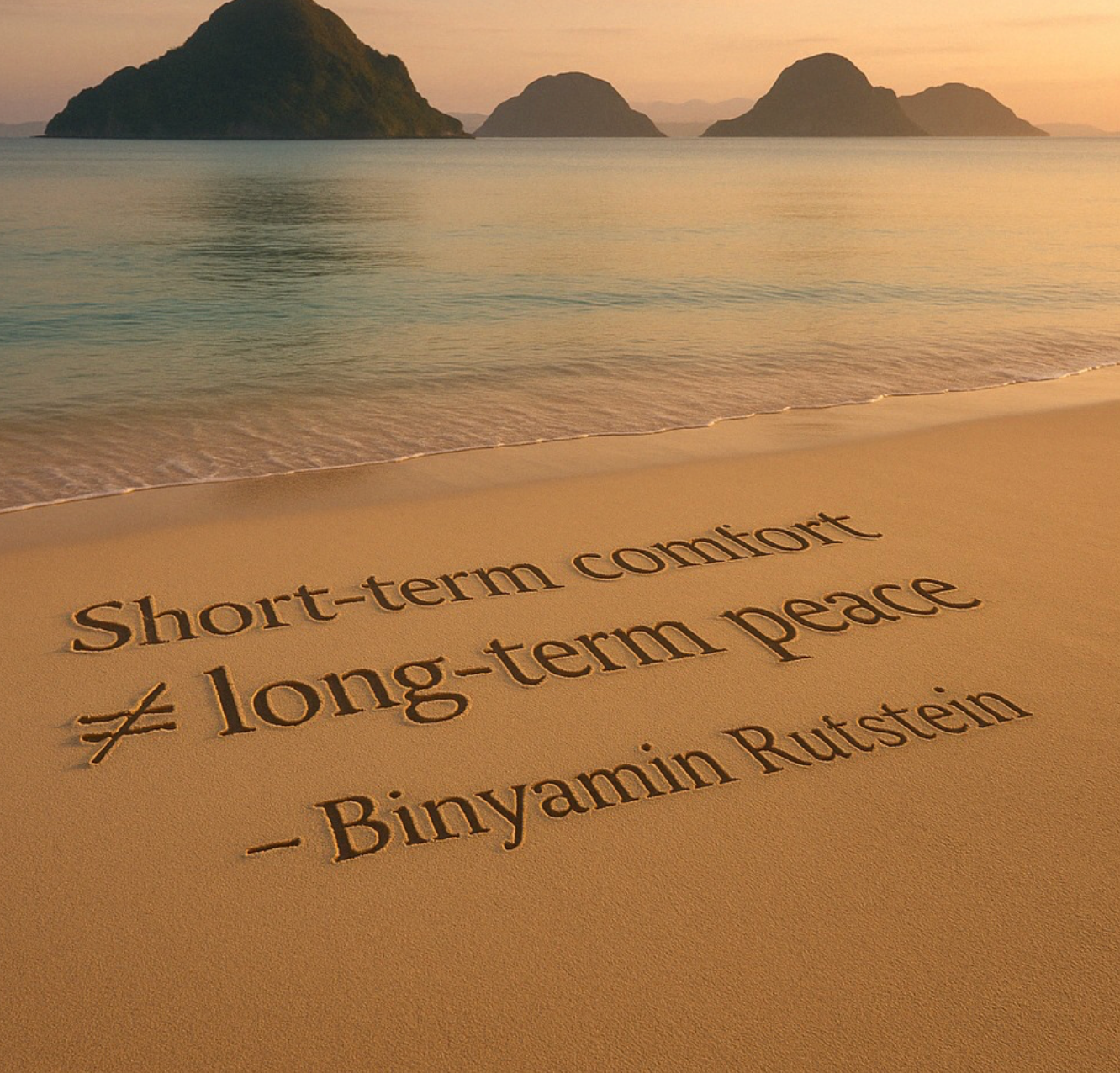
“Short‑term comfort ≠ long‑term peace.”
Emotional sobriety isn’t about being perfect—it’s about walking away from old habits and into freedom.
Practice: Notice → Pause → Ask → Choose → Reward.
Over time, those survival loops lose their pull—and you reclaim the wheel.
Explore the NextSelf Blog. Start with this post explaining the world of souls. And my Youtube. Content is published to this facebook first and a few days later, to the blog.
The blog lists all the difference patterns to study, understanding patterns is how one can develop 'Daas' [felt knowing].
Update: As awe, trust, and love deepen, they can allow greater openness and intimacy with the Creator. That intimacy can include sadness when you notice how much more of His goodness can be revealed.