

Hate is personal, it treats the person’s existence as the problem.
Anger says, “Something happened that hurt me, crossed a boundary, or needs to change.”
Hate goes further.
Hate takes pain and attaches it to the person.
It stops saying, “This action was wrong,” and starts feeling, “This person is a mistake.”
That is why hate becomes personal.
Anger wants the behavior, situation, or boundary to change.
Hate wants the person lowered, erased, humiliated, or destroyed.
Hate often develops when anger is not guided by healthier skills.
Without curiosity, a person stops asking, “What happened here?” and starts assuming, “I already know who they are.”
Without compassion, pain becomes harsh judgment, a person stops caring about what the other is feeling.
The person no longer sees another human being; they only see someone to blame, fear, or reject.
Without boundaries, anger has no clear place to go. Instead of saying, “This is not okay,” “I need distance,” or “This has to change,” the pain keeps building until the person wants the other person erased, humiliated, or broken.
Sometimes hate also develops when a person sees someone else’s potential and feels threatened by it.
They may sense that the person has something real to give, but instead of feeling inspired, they feel afraid.
That usually comes from missing emotional skills and unhealthy beliefs about the Creator.
When a person does not believe deeply that the Creator gives each person their own purpose, their own gifts, and their own path of responsibility, someone else’s growth can feel like a threat to their worth.
Instead of thinking, “Their light does not take away from mine,” they feel, “If they succeed, I matter less,” or, “If they become respected, I become less important.”
That fear can turn into hate.
Anger wants change.
Hate wants destruction.
Anger can protect life.
Hate tries to destroy what it is afraid to understand.
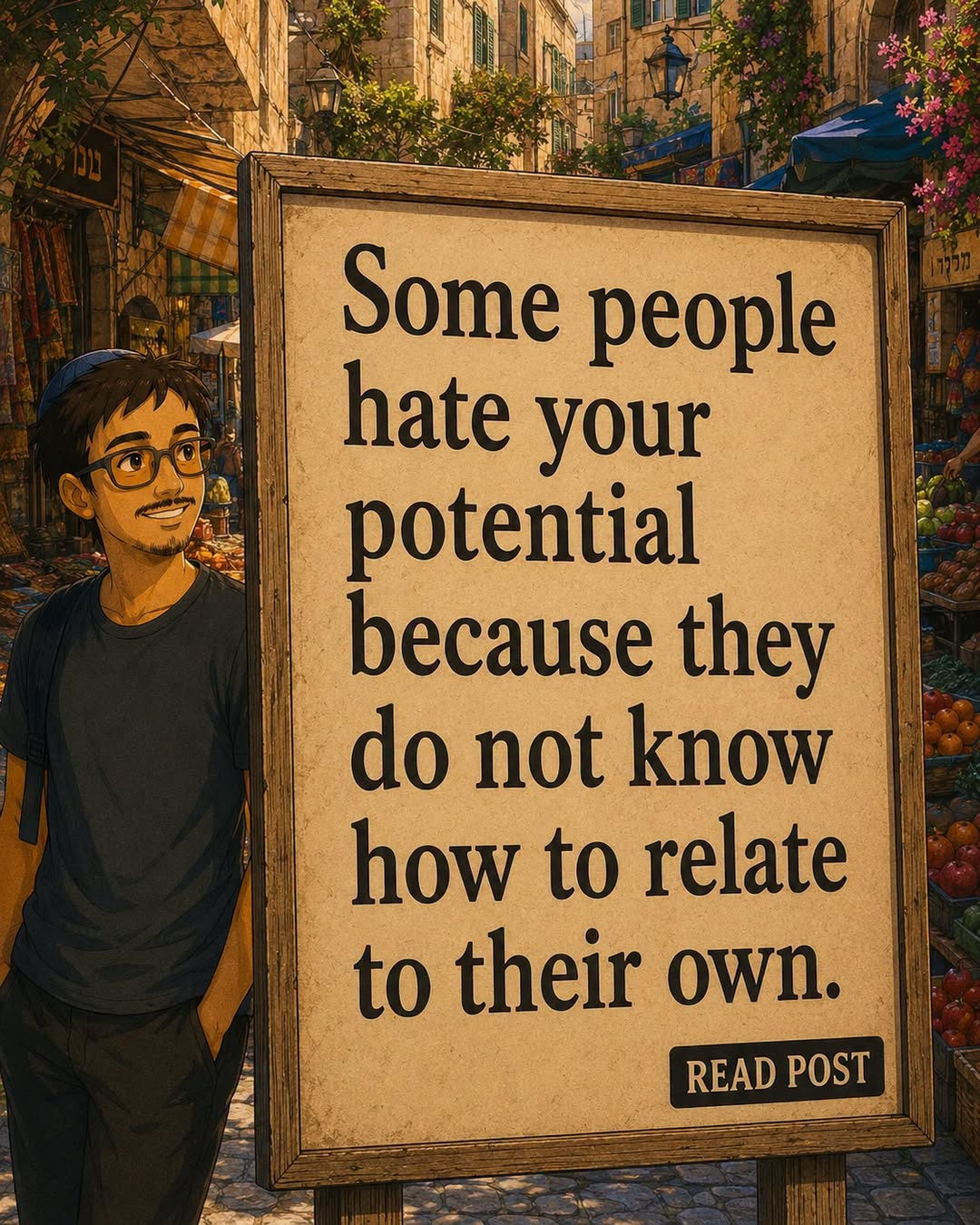
"Some people hate your potential because they do not know how to relate to their own."
Explore the NextSelf 2026 Index and 2025 Index. Start with this post explaining the world of souls.
They organize the core ideas on awareness, compassion, boundaries, and how they build real relationship and responsibility with The Creator.
Update: When an individual trusts the Creator is good, awe [wonder, humility and fear], which is felt after noticing patterns of infinite wisdom, causes love to be felt and that love includes sadness because His goodness can always be more revealed and joy.
All information is for educational purposes only.