

You can feel guilty for not protecting yourself, without realizing you were trying to protect yourself from something else.
When people experience harm, they may struggle to protect their well-being and later feel guilty about how they responded. They might think, "Why didn't I stand up for myself? Why did I allow this to keep happening?"
But understanding why you responded that way can reveal a part of your story that needs compassion. You may have been trying to protect yourself from loneliness.
How can survival mode protect you from one pain while creating another?
When someone is hurting you, your nervous system doesn't always focus on protecting your long-term well-being. Sometimes it focuses on avoiding the immediate pain of rejection, abandonment, or feeling alone [or numbing yourself to avoid those feelings].
When someone hasn't yet developed the emotional skills to handle loneliness, being alone can feel like being unloved. This can make the fear of losing a relationship feel even more painful.
You might become a people-pleaser, avoid difficult conversations, apologize too quickly, or stay in a relationship that is hurting you.
Over time, survival responses can become familiar habits that shape how your personality expresses itself. These patterns are often called fight (which often shows up as narcissism), flight (which is avoidance), freeze (which looks like inaction or shutdown), and fawn [people-pleasing]. You might become defensive, avoid uncomfortable situations, feel unable to act, or focus on keeping other people happy.
Survival mode can also influence harmful personal habits. For example, overeating or constantly seeking entertainment may help someone avoid painful feelings, even when those habits cause more suffering later.
Why can changing a harmful habit feel so frightening?
Changing a harmful habit can feel frightening when you don't yet know how to handle the feelings it helped you avoid.
For example, if you often respond through fawning (which is people-pleasing), you may recognize that someone is treating you selfishly but fear that setting a boundary will cause them to reject you.
If feeling rejected or alone seems more frightening than continuing to tolerate the harm, pleasing the other person can become your main goal.
As a result, you may keep responding in ways that don't protect your well-being. Later, when you recognize how much suffering followed, you might feel guilty for not protecting yourself.
The same pattern can happen with harmful habits. You may understand that a habit is hurting your [spiritual] health but continue because it helps you avoid feelings you don't know how to handle yet.
But guilt doesn't always explain why you responded that way. To understand that, you need to become curious about the survival patterns you've developed and what you were trying to protect yourself from.
How can curiosity help you find where compassion belongs?
You can understand your mistake without understanding your suffering.
For example, you might recognize that you didn't set a boundary when someone was hurting you. But that doesn't mean you understand why setting the boundary felt so frightening, or whether it felt safe to do so.
You might be blaming yourself for a choice without understanding the fear behind it.
You may believe you were weak, foolish, selfish, or irresponsible. But those judgments don't help you understand what happened.
Curiosity allows you to ask better questions. What was I afraid would happen if I set a boundary? What did I believe I needed from the other person? Why did protecting myself feel so uncomfortable?
Thinking more deeply about these questions can help you understand the beliefs and fears behind your responses.
For example, you might discover that you weren't simply afraid of an argument. You were afraid the argument would end the relationship, leaving you feeling alone.
That discovery changes how you understand your story. Instead of only saying, "I forgive myself for not setting a boundary," you can begin saying:
"It makes sense that I was afraid of feeling alone. I wanted connection, and I didn't know how to protect my well-being while facing that fear."
Sometimes the part of your story that needs the most compassion isn't the behavior you feel guilty about. It's the fear or suffering that led to that behavior.
You don't need to pretend that tolerating harm was healthy to have compassion for the loneliness and fear you were experiencing.
This is why the way you think about your story matters. Shame might ask, "Why was I so stupid? Why do I always make the same mistakes?" Those questions can make you feel worse without helping you understand yourself.
Curiosity asks, "What was I trying to protect myself from? Why did that response feel safer at the time?"
The goal isn't to find another reason to blame yourself. It's to develop a better understanding of which parts of your story need compassion.
And sometimes you won't know the answer yet. You can accept that your experience matters while continuing to learn about it.
Compassion and responsibility belong together.
Understanding why you behaved a certain way doesn't mean every choice was healthy. Self-compassion can include recognizing that you were trying to protect yourself, even when the way you protected yourself caused more suffering.
For example, recognizing that you were afraid of loneliness doesn't mean you need to keep tolerating harmful behavior.
Instead, that understanding can help you see what you may need to learn: how to face the pain of loneliness without giving up your well-being to avoid it.
Does setting a boundary have to end a relationship?
It can also help to remember that a relationship doesn't always have to end when its terms change.
Just as energy can change form without disappearing, a relationship can change while its history remains part of your story.
You may choose to spend less time with someone, share fewer personal feelings, or have less intimacy [emotional closeness and trust] with them.
The relationship may become less close without disappearing from your life. And even when contact ends completely [for a period of time], what you shared in the past remains part of your story.
Setting boundaries doesn't always mean rejecting someone. Sometimes it means finding a healthier way to relate to them.
We can also change our relationship with harmful habits. A habit that once helped us avoid painful feelings may no longer be something we want to rely on.
In both cases, change can become easier when we understand what we're afraid of losing and learn healthier ways to care for ourselves.
Of course, not every harmful situation allows someone to set a boundary safely. Being unable to stop someone else's harmful behavior doesn't make you responsible for their actions.
Compassion also matters when thinking about the person who harmed you. Someone who hurts you may also be struggling with fear, shame, or loneliness. Their experience matters. Your experience matters too.
But understanding their suffering doesn't make their harmful behavior okay or mean you share equal responsibility for it. You can care about someone's suffering while recognizing that protecting your well-being may require stronger boundaries, distance, or help from others.
Compassion helps you respond to suffering with care. Understanding that suffering can help you make better choices about what to do next.
How can you practice compassion for different parts of your personality?
Two parts of your personality can want opposite things, and both can need compassion.
One part may want to continue a harmful habit because it brings comfort. Another part may want to stop because it recognizes how much suffering the habit is causing.
The same conflict can happen in relationships. One part may want to keep a relationship because it's afraid of loneliness, while another part wants stronger boundaries because it's tired of being hurt.
Both parts may be trying to protect something important, but what one part wants can create suffering for the other.
Thinking about these different parts can help you understand the feelings and needs behind your responses.
Instead of deciding which part deserves compassion, you can practice compassion for each one.
What does compassion for each part sound like?
For example, begin with the part of your personality that wanted to avoid loneliness:
"It makes sense that I was afraid of being alone. I wanted to feel loved and accepted."
Then turn toward the part that feels guilty or angry about what happened:
"It makes sense that I'm upset about not protecting myself. My well-being matters, and I wanted to be treated better."
You can use the same practice when thinking about a harmful habit. You might have compassion for the part that wants comfort, followed by compassion for the part that wants better health.
You don't have to choose which feeling is right. Both parts of your experience can matter, even when they seem to want different things.
As you move between them, become curious about what each part was trying to protect.
The part that wanted comfort may have been trying to avoid emotional pain. The part that feels angry or guilty may be trying to protect your well-being from more suffering.
Understanding these different needs can help you find ways to care for both, without letting fear of one kind of suffering lead to another.
You don't have to force yourself to feel compassion right away. You may need time, curiosity, and deeper thinking to understand what each part of your personality was experiencing.
Guilt can tell you that something needs attention, but it doesn't always tell you where responsibility or compassion belongs. Sometimes responsibility means apologizing for harm you caused. Other times it means recognizing someone else's harmful behavior, changing a habit that is hurting your well-being, or going through the grieving process as you accept what has happened and what needs to change.
The goal isn't to pretend your past choices were healthy. It's to understand your suffering well enough to develop compassion and make healthier choices.
You can recognize what went wrong without blaming yourself for someone else's harmful behavior. And you can learn to protect your well-being while still having compassion for the part of you that was afraid.
___________________
Related guides:
Creation isn't simply an expression of love
How to transform gossip into love
The deepest relationship is about what you're willing to do
Healthy beliefs about the world of souls
Why was Adam and Eve created lacking emotional skills?
How to begin deep emotional healing?
#NextSelf #kabbalah #healingjourney
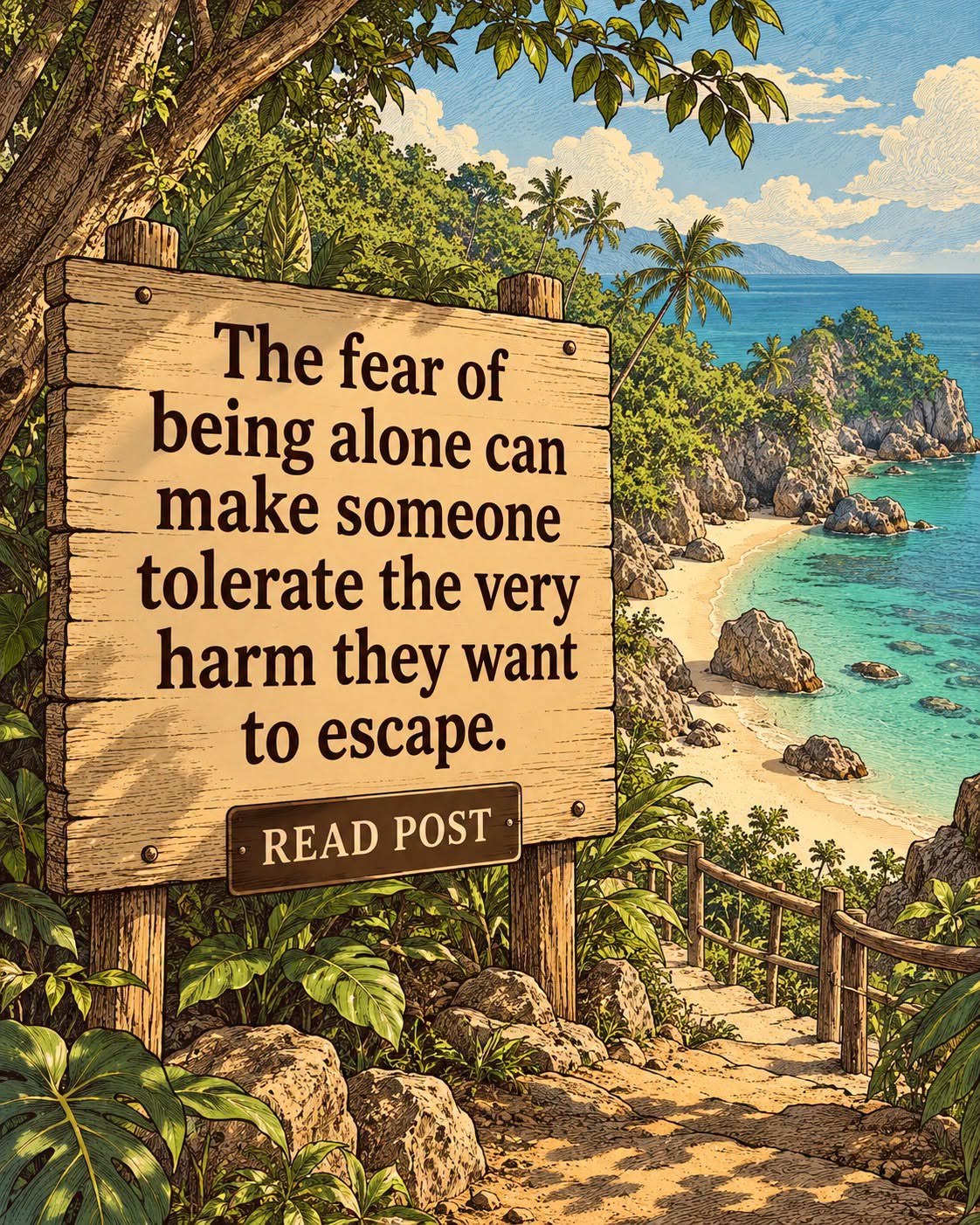
“The fear of being alone can make someone tolerate the very harm they want to escape.”
Explore the NextSelf Blog. Start with this post explaining the world of souls, and what does it mean to be light? And my Youtube. Content is published to this facebook first and a few days later, to the blog.
The blog lists all the difference patterns to study, understanding patterns is how one can develop 'Daas' [felt knowing].
Content does not provide medical services or professional counseling, and it is not a substitute for professional medical care.