
Become your NextSelf
Get a free copy of our eBook explaining awareness, compassion, boundaries and self forgiveness
Stay up to date with our latest content
Your information is protected. We never spam.Latest Posts
 SpiritualityThe Infinite Creator cannot fit inside creation, yet every moment of creation depends completely on Him
 SpiritualityAnger is an emotion.
 SpiritualityEmotional numbness can become so intense that even sadness is only understood, not felt.
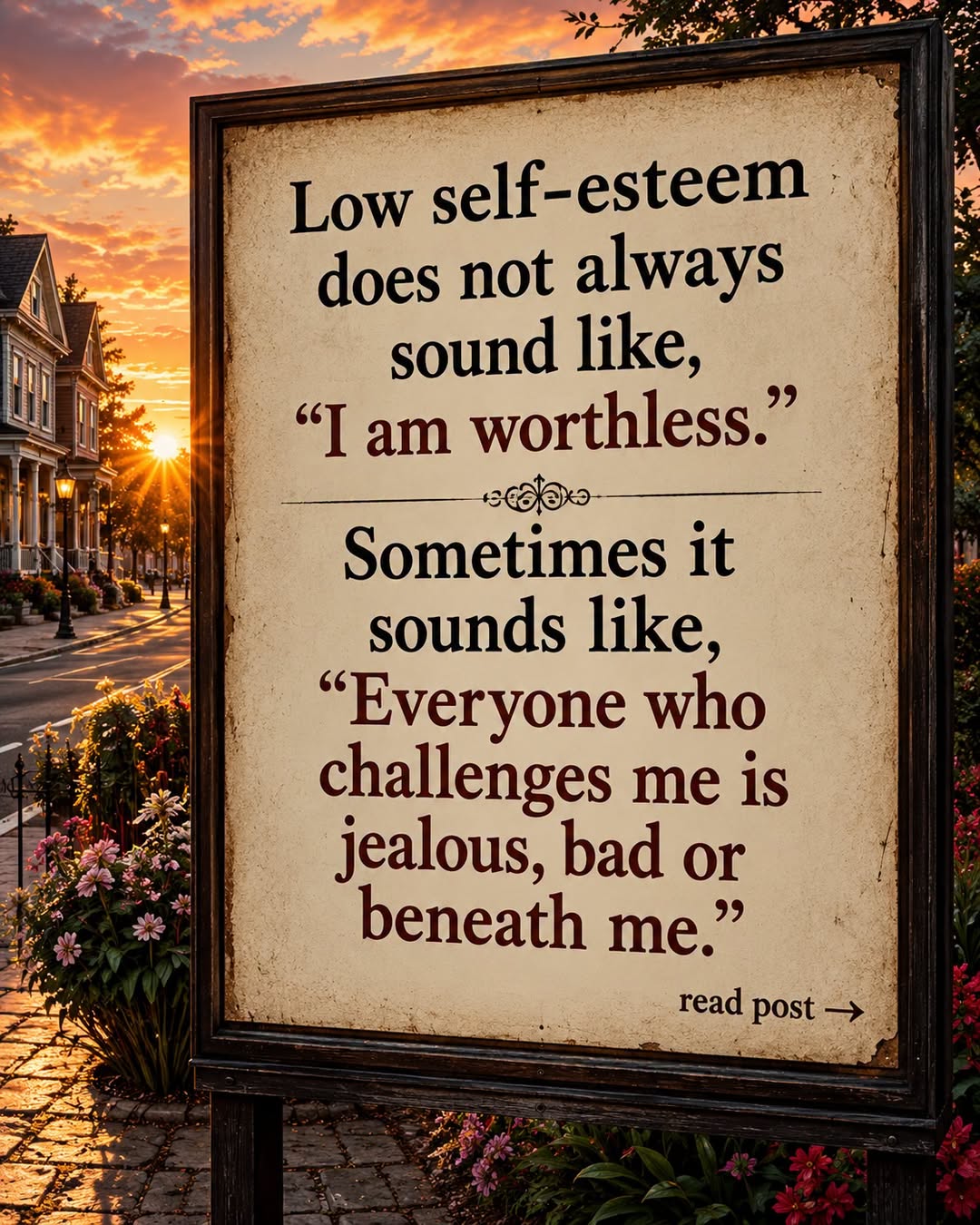 SpiritualityLow self-esteem does not always sound like, “I am nothing.”
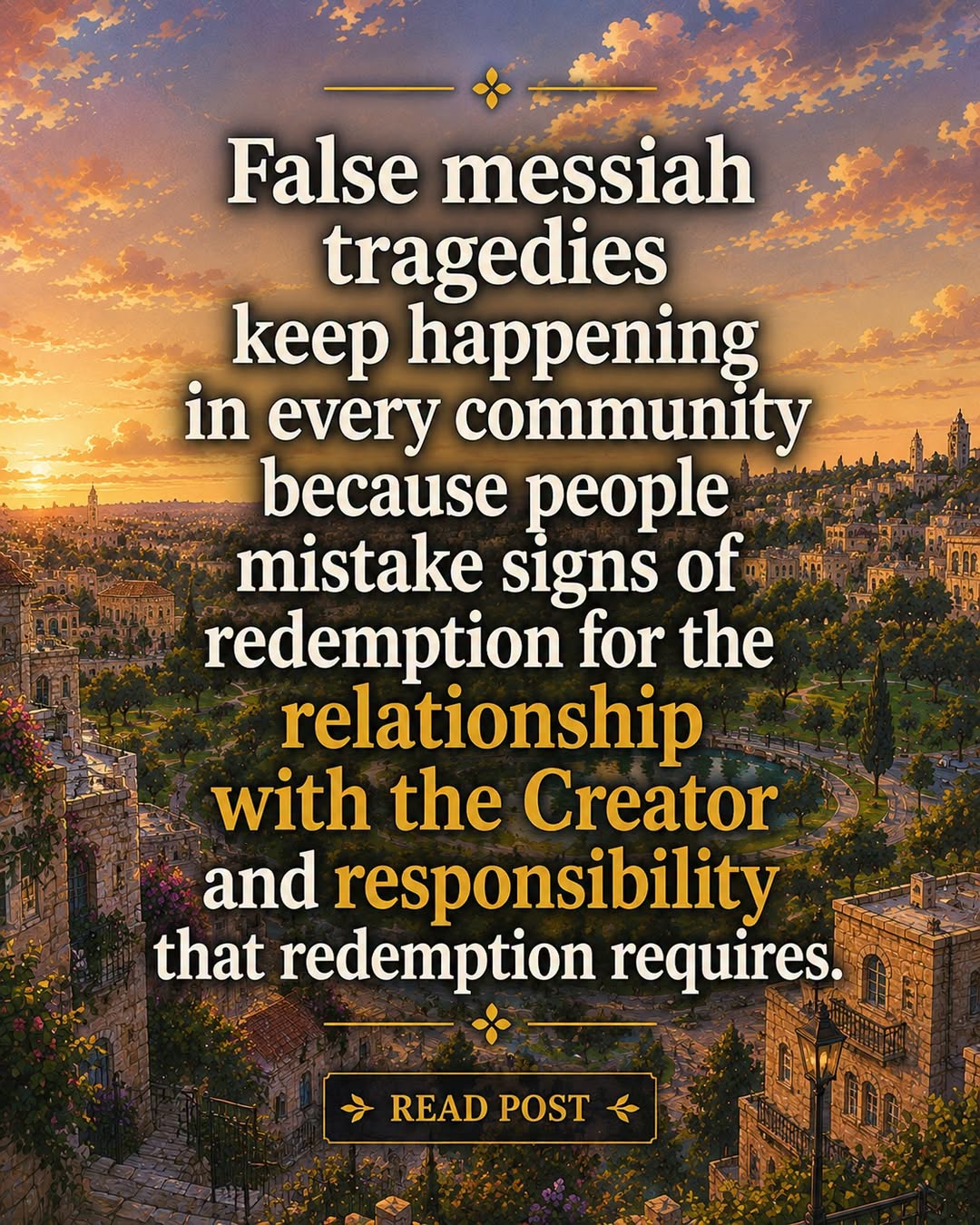 SpiritualityOne reason false messianic tragedies keep happening is that people mistake signs of redemption for the work of redemption.
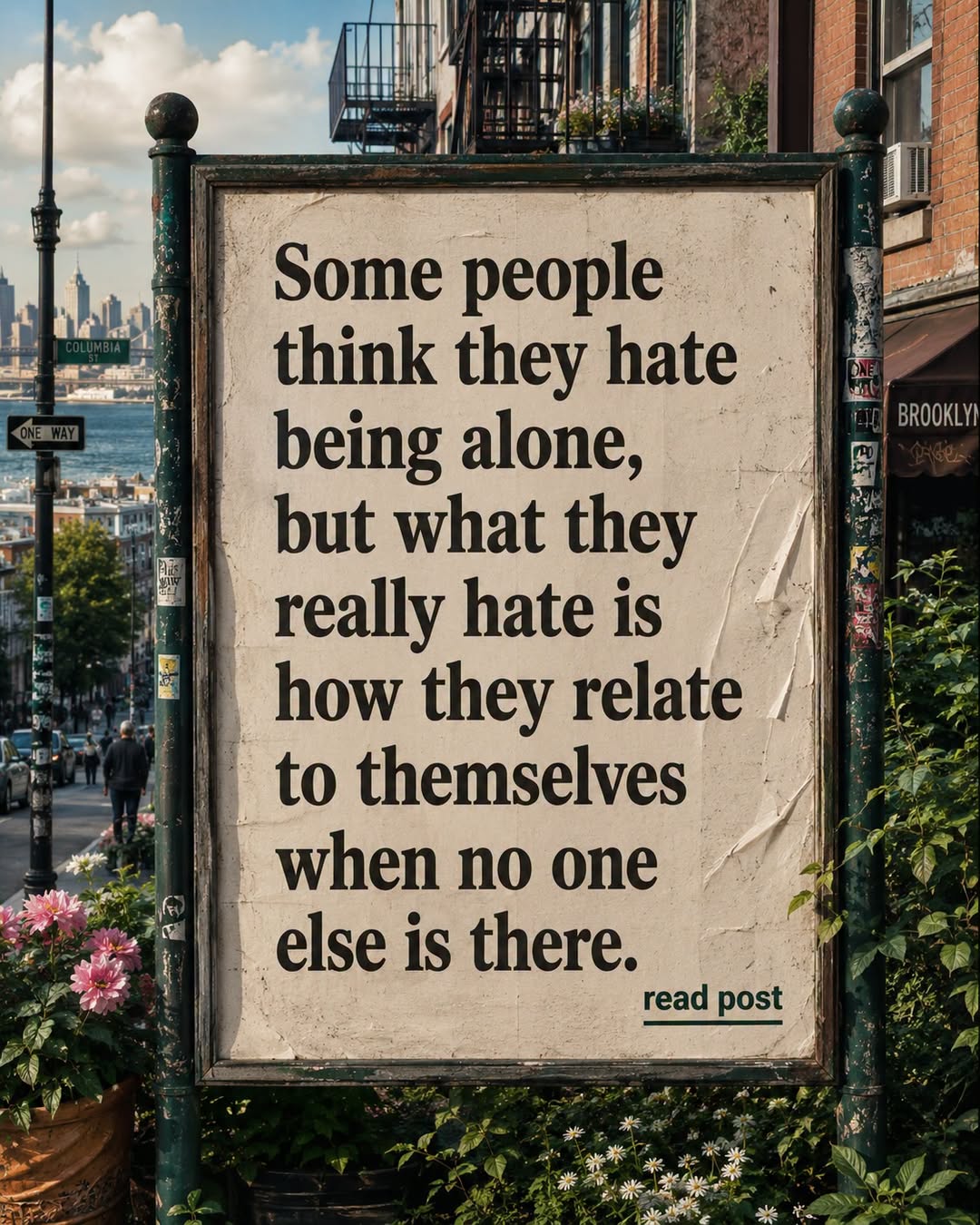 SpiritualityThe difference between loneliness and solitude is not whether you are physically alone.
Popular Posts
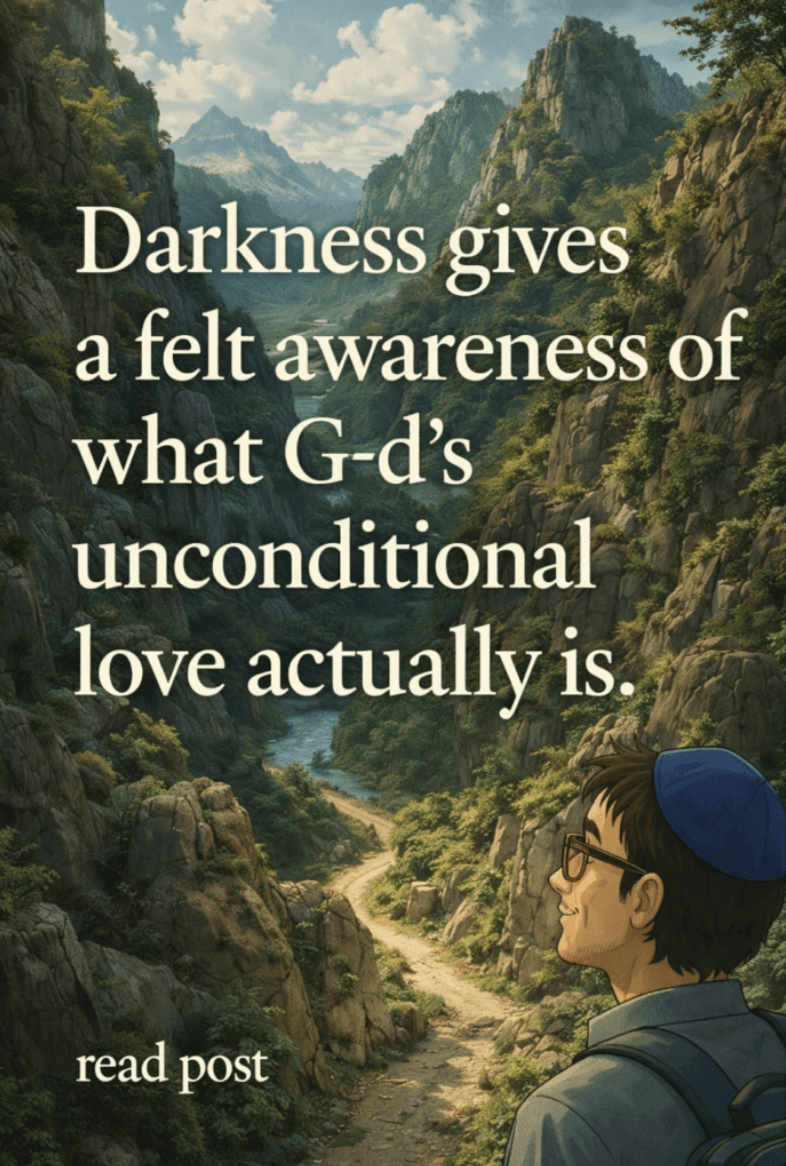 SpiritualityTrauma doesn't bring you closer to the Creator by itself.
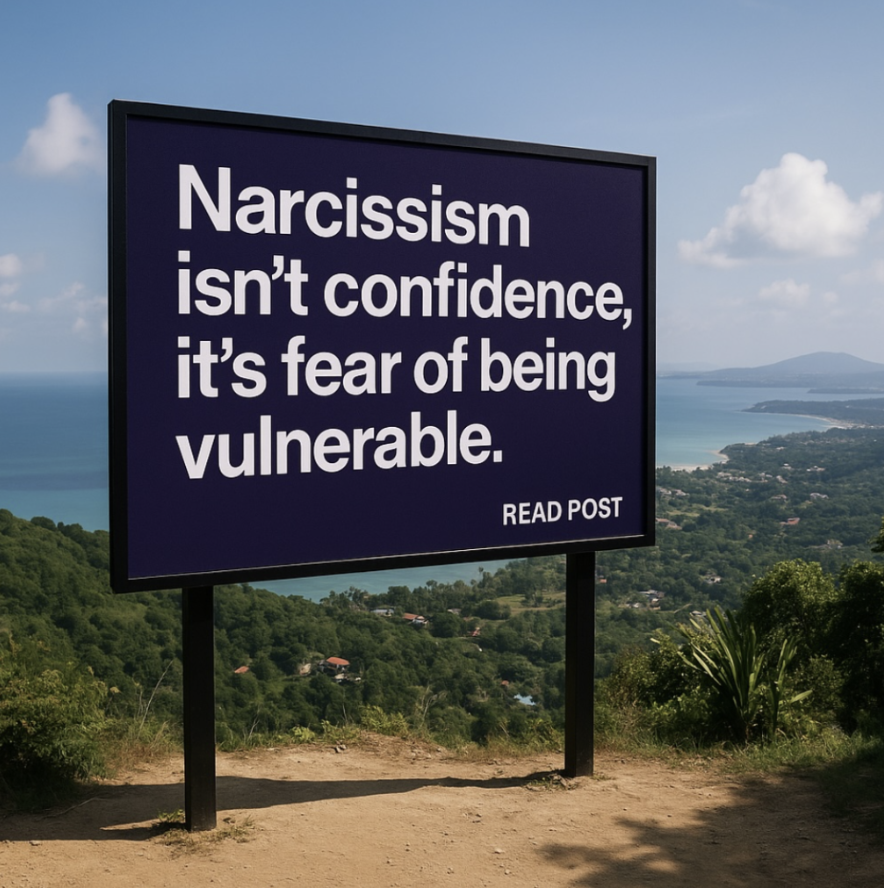 SpiritualityNarcissism isn't confidence, it's fear of being vulnerable.
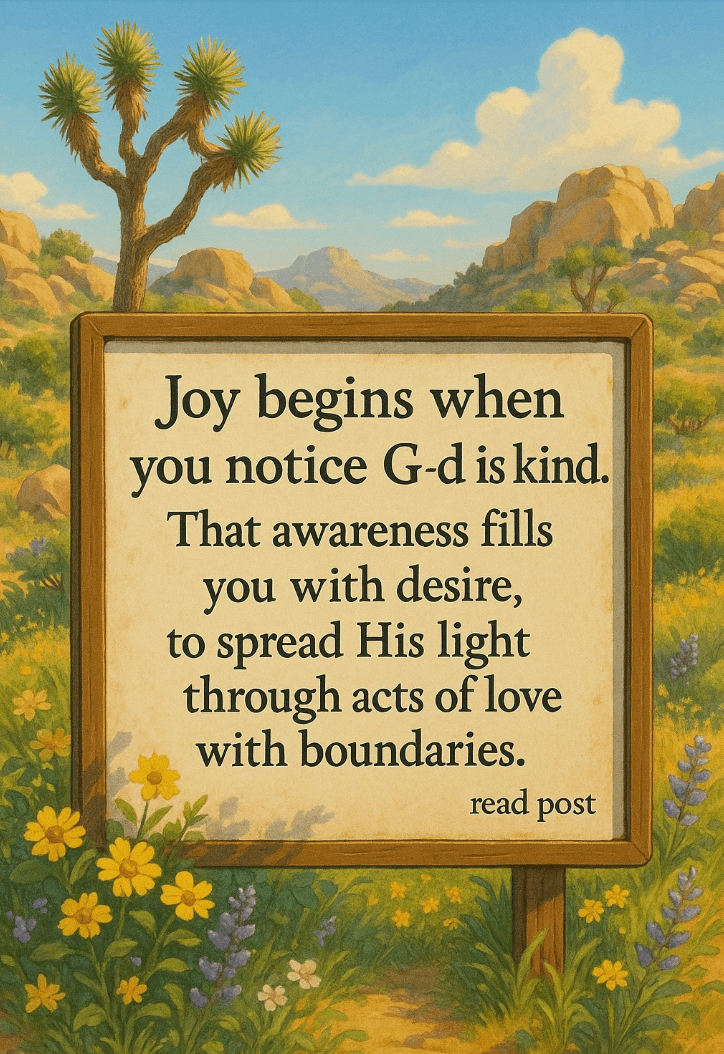 SpiritualityBefore joy comes awareness.
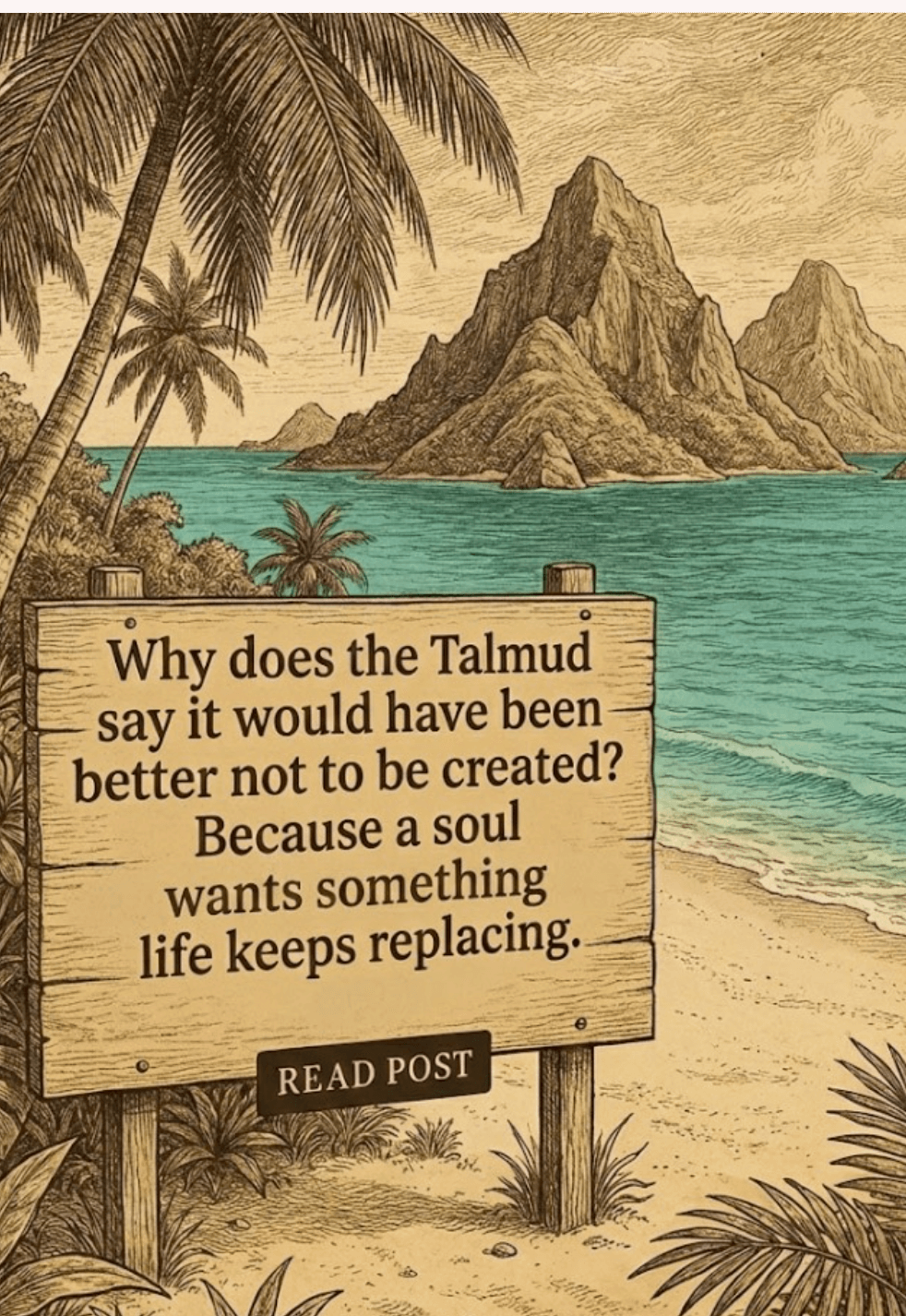 SpiritualityA strange teaching from the Talmud
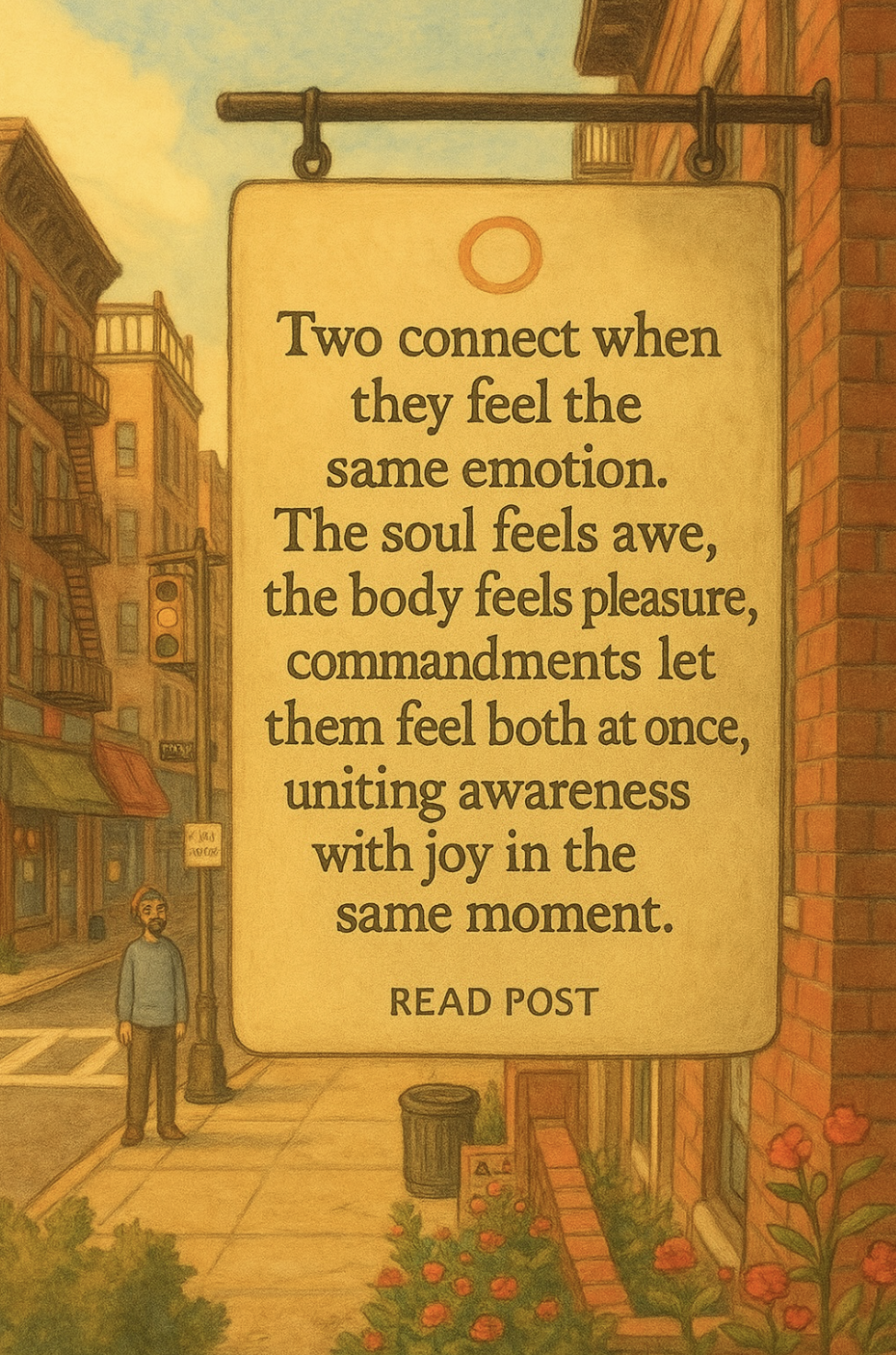 SpiritualityWhy So Many Commandments?
 SpiritualityHow was it even possible for Adam and Eve to sin?
Explore the NextSelf 2026 Index and 2025 Index.
They organize the core ideas on awareness, compassion, boundaries, and how they build real relationship and responsibility with The Creator.