

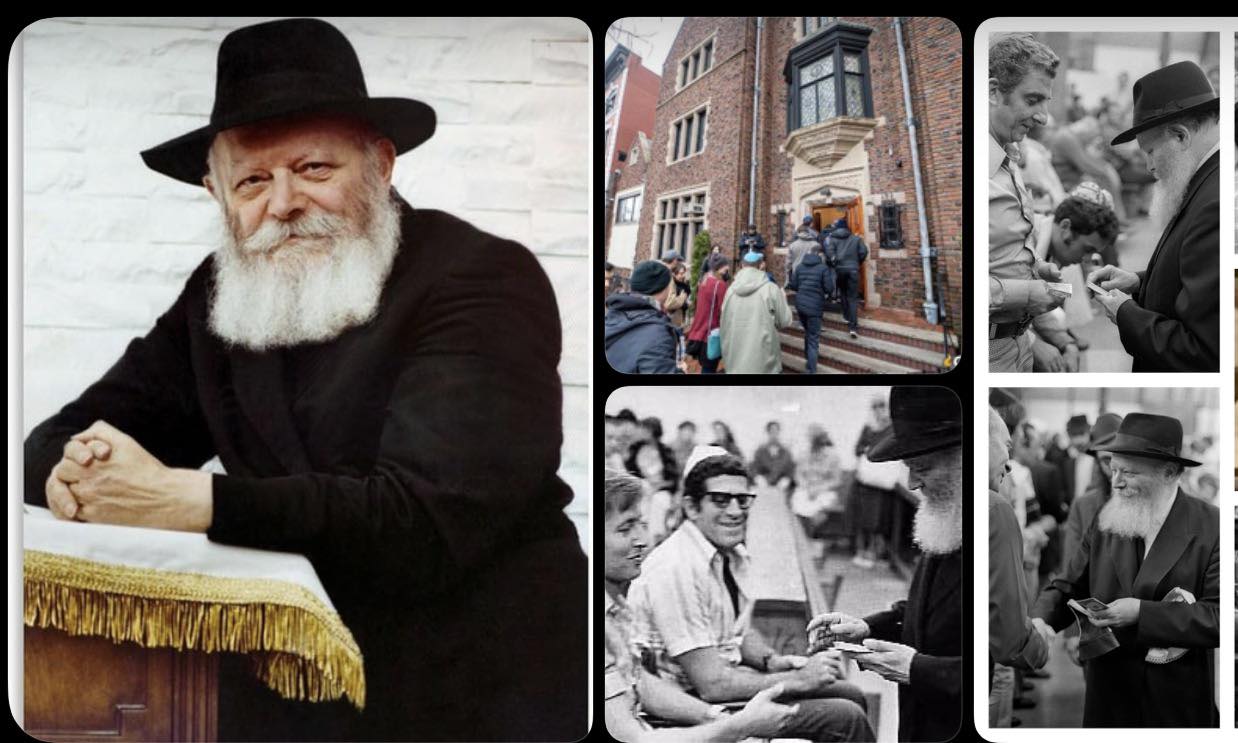
A leader of a generation is not just someone who gives speeches.
A true leader takes responsibility for every part of life.
How did the Rebbe protect life?
The Lubavitcher Rebbe did this in three ways:
Military Guidance — Protecting Life The Rebbe cared deeply about safety and survival.
He gave clear guidance about:
1. protecting Jewish lives, In matters of protecting life, no other leader of our time spoke as clearly, consistently, and urgently as he did.
2. not taking risks that could lead to danger
3. strength as a way to prevent war, not cause it
He taught that saving life comes before politics.
This is leadership in the most basic way: keeping people alive.
How did the Rebbe help with daily life?
Material Guidance — Helping People Live
The Rebbe helped people with real-world problems.
He gave advice about:
1. work and livelihood
2. education
3. family life
4. health and responsibility
He didn’t say, “Only worry about heaven.”
He said, “Build a stable, honest life here.”
That is leadership that meets people where they actually live.
How did the Rebbe explain suffering?
Spiritual Guidance — Giving Meaning to Suffering
The Rebbe explained why life is hard without blaming people.
He taught:
1. suffering is not punishment
2. struggle can be transformed into growth
3. every person matters forever
4. your actions repair the world
The Rebbe taught that repairing relationships is not just personal healing.
Why does relationship repair matter so much?
Relationship repair work is the physical effort that is part of the atonement on behalf of G-d for the suffering built into creation.
Based on a talk about the sun and moon, he talked about the depths of suffering in many ways.
Relationship work is part of rebuilding the singularity and oneness within creation and its G-d’s way of giving us a partnership and validating and fulfilling the true greatness of the Creator that is brought out by our physical involvement in creation.
Blessing flows though relationship repair with yourself and others. He gave people dignity, not guilt. Depth, not fear.
Why This Makes Him the Leader of Our Generation?
A leader of the generation:
1. protects life
2. guides daily living
3. explains suffering with truth and compassion
4. gives people a path forward
The Lubavitcher Rebbe did all of this for Jews and for humanity.
Why does his guidance still work today?
That is why people still study his teachings today. Not out of nostalgia. The Rebbe passed away in 1994, yet his guidance still works.
Questions people ask
What makes someone a leader of the generation?
A leader of the generation protects life, guides daily living, explains suffering with truth and compassion, and gives people a path forward. The Lubavitcher Rebbe did all four. He taught that saving life comes before politics. That is leadership in the most basic way: keeping people alive.
Are the Rebbe's teachings only for Jewish people?
No. His guidance was for Jews and for humanity. The Rebbe helped people with real-world problems. He did not say, “Only worry about heaven.” He said, “Build a stable, honest life here.” His advice covered work and livelihood, education, family life, and health and responsibility.
When did the Lubavitcher Rebbe pass away?
The Rebbe passed away in 1994. People still study his teachings today, and not out of nostalgia: his guidance still works. It covered protecting life, everyday matters like work and family, and the meaning of suffering, so it still touches every part of life.
Is suffering a punishment, according to the Rebbe?
No. The Rebbe explained why life is hard without blaming people. He taught that suffering is not punishment, that struggle can be transformed into growth, that every person matters forever, and that your actions repair the world. He gave people dignity, not guilt, and depth, not fear.
Explore the NextSelf Blog. Start with this post explaining the world of souls. And my Youtube.
The blog lists all the difference patterns to study, understanding patterns is how one can develop 'Daas' [felt knowing].
Update: As awe, trust, and love deepen, they can allow greater openness and intimacy with the Creator. That intimacy can include sadness when you notice how much more of His goodness can be revealed.