

A meaningful life is about using your unique strengths to help build something greater than yourself, different strengths and responsibilities can contribute to one shared purpose.
Ideas and insights from Parshas Vezos Habracha, the final portion of the Torah:
What made Moses unique among the prophets?
The tomb of Moses remained concealed, so that his tomb might not become a shrine of pilgrimage for those who deify national heroes.
Although many prophets performed miracles. Moses was unique in the sheer might and awesomeness of the miracles that came about through him, such as the unprecedented revelation at Sinai, and in the miraculous duration of his miracles. The Manna and water in the Wilderness, for example, lasted for 40 years, as did the very survival of a huge nation in un-liveable surroundings for all that time (Ramban).
What does Vezos Habracha teach about wealth, loyalty and service?
"It is not enough that one’s possessions were honestly earned; one should not display everything one has."
Because the levites had proven their loyalty to G-d and did not show favoritism even to their closest relatives, they deserved to be the teachers and judges of all Israel, not merely their own tribe (Ohr Chaim).
Since Kohanim and levites were charged with service of the nation, it was important that they have enough prosperity to be able to devote most of their time to their sacred work (sforno). Experience shows that great spiritual figures are often more influential when they have the means to be financially independent.
How do different tribes and roles serve one shared purpose?
Among the descendants of Isaachar were two hundred heads of of Sanhedrins, whose halachic rulings were accepted by the entire nation (Midrash, Rashi).
People will come from afar to trade with Zebulun. The tribes merchants will persuade them to go to Jerusalem and see how Jews serve G-d. The visitors will be so impressed by the pious behavior of Israel that many will convert and bring offerings to G-d (Sifre; rashi).
From the day Jerusalem was chosen as the site of the temple, the Divine Presence rested there and hovers over him [tribe of Benjamin] all day long, forever, for G-d will never rest His Shechinah [presence] anywhere else (rashi).
When the supporters of Torah depart this world, they will rejoice, for they will not only be rewarded for their charity, but they will gain the privilege of knowing and understanding all the Torah learning that they made possible (R’ Aharon Kotler).
What does a higher status mean for Israel and for Moses?
"Israel’s lofty status does not permit it to indulge in excesses that are regarded as “acceptable” by other nations."
When Moses was alive he was called man of G-d, but in death he is called a servant for the first time, to allude to a new and higher status , for a servant is permitted, as it were to enter the inner chamber of the King (R’ Bachya).
_____________________
Related:
Teachings of Moses give suffering the most depth
How to develop the desire to feel deeper awe and love
#artscroll #Torah
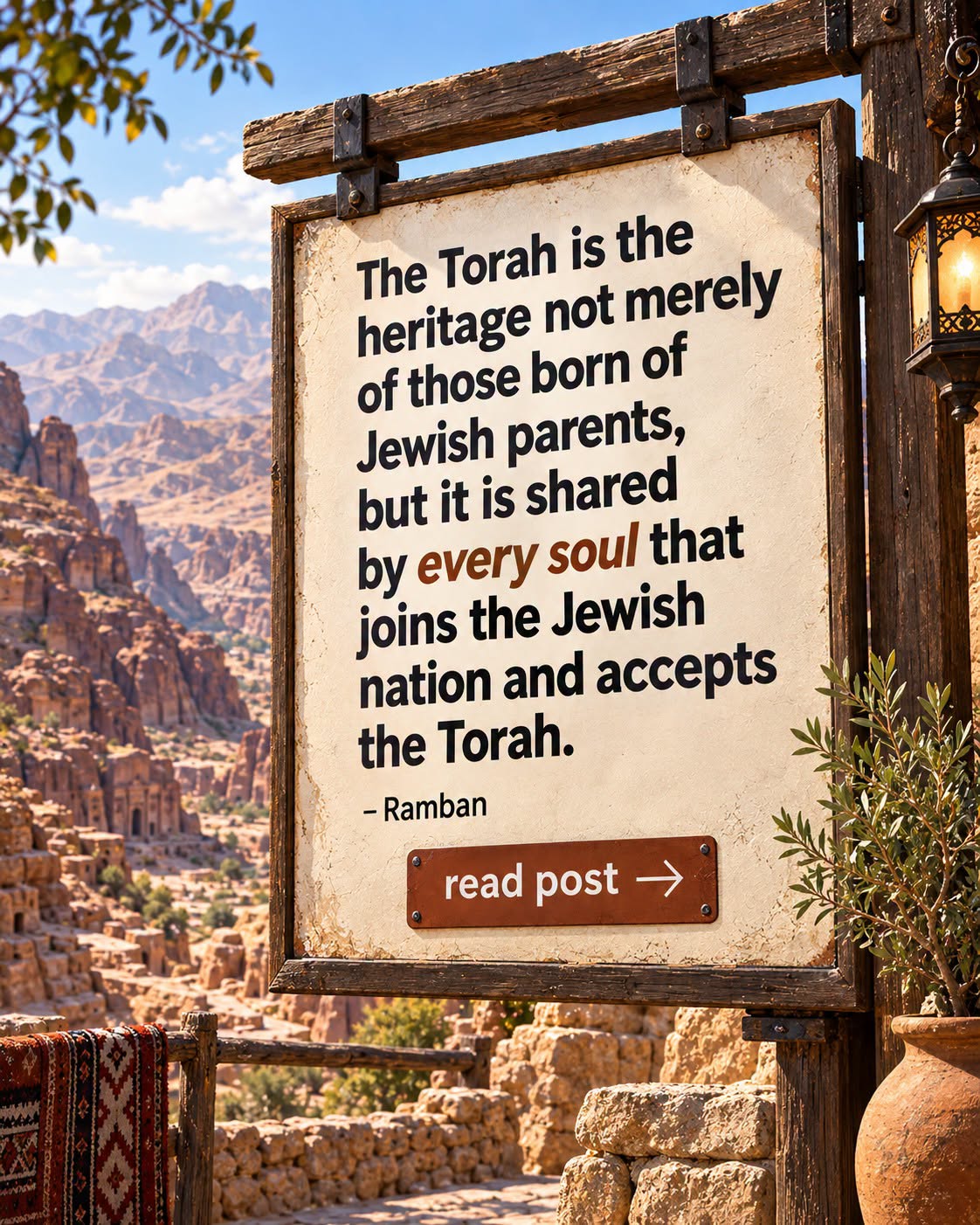
“The Torah is the heritage not merely of those born of Jewish parents, but it is shared by every soul that joins the Jewish nation and accepts the Torah. - Ramban”
Explore the NextSelf Blog. Start with this post explaining the world of souls. And my Youtube. Content is published to this facebook first and a few days later, to the blog.
The blog lists all the difference patterns to study, understanding patterns is how one can develop 'Daas' [felt knowing].
Content does not provide medical services or professional counseling, and it is not a substitute for professional medical care.