

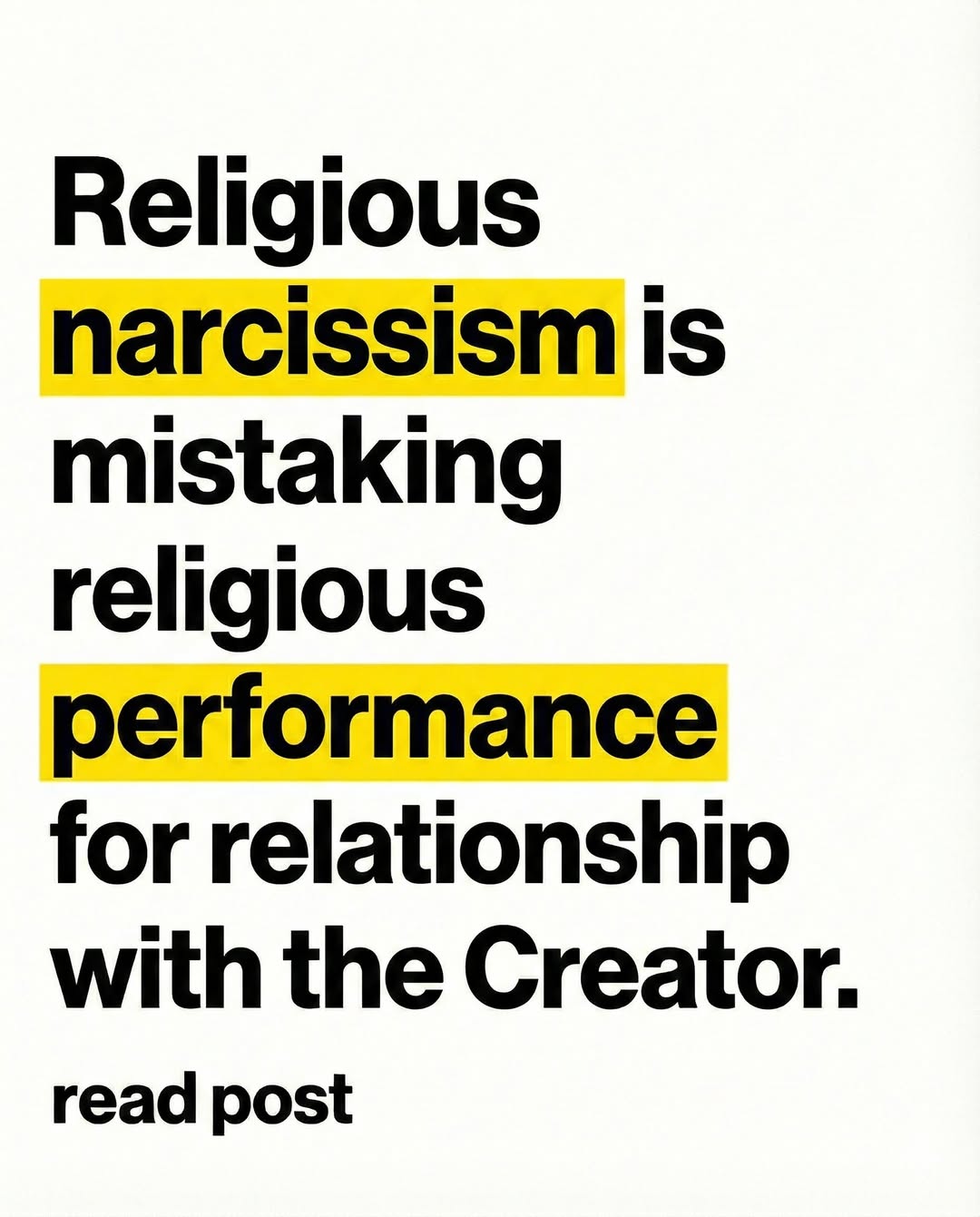
is when someone believes that religious performance is enough to have a relationship with the Creator of the universe.
But performance is not relationship.
Relationship requires emotional maturity. Without emotional maturity, religion easily becomes a way to avoid relationship instead of deepen it.
What emotional immaturity actually means (and what it does not mean)
Emotional immaturity does not mean childish, stupid, or uneducated. It is often hard to see. Sometimes it takes years to notice where a person falls on the spectrum.
Emotional maturity is a set of inner capacities, including:
1. acknowledging mistakes without tantrums or blame
2. taking responsibility without needing someone else to be “wrong”
3. tolerating discomfort, feedback, and shame
4. not catastrophizing when confronted
5. repairing harm instead of defending the ego
None of us are fully emotionally mature. Recognizing that fact is itself a sign of maturity.
Why religion exposes emotional immaturity.
A real relationship requires these skills. A relationship requires:
1. honesty
2. humility, practicing compassion and boundaries (no people pleasing)
3. responsibility
4. repair when harm is done
5. care for how others are affected
When emotional maturity is lacking, religion is often used as a substitute.
Religious narcissism replaces inner work with:
1. rituals
2. rules through self centered intentions
3. appearances and self-protective stories
4. “I did my part, so I’m fine”
A person may follow commands perfectly while ignoring:
1. how they treat people
2. whether they cause harm
3. whether they take responsibility
4. whether they can admit fault
That isn’t closeness.
That’s religion being used to protect emotional immaturity. What real relationship with the Creator requires
A real relationship:
1. doesn’t bypass character
2. doesn’t cancel responsibility
3. doesn’t excuse cruelty
4. doesn’t turn obedience into entitlement
If someone believes:
“My religious actions prove I’m good, no matter how I treat others,”
They are not in relationship. They are performing instead of relating.
Explore the NextSelf Blog. Start with this post explaining the world of souls. And my Youtube. Content is published to this facebook first and a few days later, to the blog.
The blog lists all the difference patterns to study, understanding patterns is how one can develop 'Daas' [felt knowing].
Update: As awe, trust, and love deepen, they can allow greater openness and intimacy with the Creator. That intimacy can include sadness when you notice how much more of His goodness can be revealed.