

Important Note: I use metaphors like “Tohu” (chaos), “vessels” (our inner selves), and “light” (divine kindness) from Jewish and Kabbalistic teachings.
These interpretations are meant to inspire reflection, not strict theology.
What does Kabbalah teach about trauma and kindness?
This article based on Kabbalah explains that trauma happens when kindness feels too big or overwhelming.
When we heal, we become strong enough to hold and share the kindness that once felt like too much.
What was the anonymous gift that started it all?
The Anonymous Gift: Kindness Without Limits
Kabbalah teaches something interesting: The Creator’s first gift to us was totally anonymous.
Like, imagine receiving a super generous gift (consciousness) and not knowing who sent it. Pretty amazing, right?
But here’s the thing,because we didn't know the source, we started believing we earned it ourselves.
And that's when things got a bit messy (this imbalance is called "Tohu").
How does forgotten kindness turn into trauma responses?
How Kindness Can Turn into Darkness
See, when we forget that our inner strength is actually a gift from the Creator, we start claiming credit ourselves.
This confusion leads to unhealthy patterns like:
→ People Pleasing (Fawn): Seeking approval, sacrificing your needs.
→ Inactivity (Freeze): Getting stuck in your head without action.
→ Addiction/Workaholism (Flight): Using distractions to escape reality.
→ Self-Centeredness (Fight): Always protecting yourself at others’ expense.
All this confusion takes you away from who you're meant to be, bringing darkness instead of light.
How Idol Worship Relates to People Pleasing
Tzvi Hirsch of Nadvorna (via Rabbi YY Jacobson) says an idol isn't just a statue, it’s the energy of people pleasing.
The idol accepts anything, while the worshipper exploits this acceptance selfishly.
When you do stuff just to please others, instead of from genuine kindness, things start to feel empty and confusing.
Adam and Eve’s Lesson in Vulnerability
Imagine if Adam and Eve had just been honest with the Creator about their mistakes.
They would've had a way deeper connection.
The point? Real intimacy comes from being real, flaws and all.
Judaism as a Romantic Relationship with the Creator
In Judaism, being "chosen" isn't about being special or superior.
It's actually more like having a romantic relationship with the Creator, built on trust, openness, and vulnerability.
Just like any meaningful relationship, things get deeper when you're honest about your struggles.
How do you heal and hold kindness again?
Healing: Becoming a Vessel for True Kindness
Healing from trauma, called Tikkun (repair), turns darkness into genuine kindness.
Here's what that means practically:
→ Self-compassion: Recognizing your pain and feelings matter.
→ Acceptance: Embrace reality, even when it’s hard.
→ Healthy boundaries: Know and communicate your limits clearly.
→ Self-forgiveness: Letting go of guilt and shame.
Doing this turns you into someone strong enough to hold and share the kindness that once overwhelmed you.
Redefining Hell: Shame & Guilt
You know how people think of 'hell' as fire and punishment?
Well, in Judaism, 'hell' is actually the emotional pain of shame, guilt, and blame.
But here's the good news: when you repair your relationships with yourself and others, you break free from all that pain.
What hidden strengths live inside trauma responses?
Trauma Responses as Hidden Strengths
Every trauma response hides potential strengths:
Fight (which often shows up as narcissism): Courage, assertiveness, leadership.
Flight (which is avoidance): Determination, perseverance.
Freeze (which looks like inaction or shutdown): Mindfulness, awareness, being fully present.
Fawn (which is people-pleasing): Deep listening, fairness, care.
Healing helps you reclaim these strengths, transforming your struggles into power.
How did healing work in real life?
My Personal Journey of Healing
Honestly, I went through some tough years with severe depression and chronic pain.
A talk by Rabbi YY Jacobson got me reading psychology books, and something clicked: I needed boundaries.
When I started setting clear boundaries, I saw something surprising, giving without limits actually made people less humble, just like the vessels overwhelmed by kindness.
Learning healthy boundaries helped me and my relationships heal.
Self-compassion
Seeking trusted support
Clearly communicating boundaries
Practicing self-forgiveness
It wasn't easy, but healing transformed my pain into strength.
Balance and Boundaries in Giving
Giving without boundaries is tempting, but it creates imbalance and confusion.
Healthy giving means clear boundaries, maintaining respect and balance.
Humility as the Key to Forgiveness
The Lubavitcher Rebbe had a beautiful idea: eventually, the moon will shine just like the sun, because it's humble enough to reflect instead of compete.
When you're humble, you open up space for forgiveness and repair.
Even small acts of forgiveness can heal deeply broken parts of your life.
Additional Hasidic Teachings for Inspiration:
Chernobyl Maggid (Rabbi YY Jacobson): Negative thoughts and beliefs are fallen sparks from vessels of Tohu.
Compassion and wisdom transform these sparks into healing light.
Reb Aharon Strashelye: Even deep pains can positively transform us, creating profound personal growth.
The Baal Shem Tov: Your life isn't random, it tells The Creator’s story.
Every experience brings you closer to understanding, knowing and connecting with The Creator.
A Message of Hope
Remember, your struggles aren't just pain, they're kindness in disguise.
Each step toward healing brings strength, compassion, humility, and justice into your life and the lives of others.
When you heal yourself, you're healing the world too.
Questions people ask
What does Kabbalah say causes trauma?
In this article's Kabbalah-based view, trauma happens when kindness feels too big or overwhelming to hold. When we forget that our inner strength is a gift from the Creator, we start claiming credit ourselves. That confusion, called Tohu, pulls us into unhealthy patterns and away from who we are meant to be.
What are the four trauma responses?
The article names four: fawn (which is people-pleasing), seeking approval and sacrificing your needs; freeze (which looks like inaction or shutdown), getting stuck in your head; flight (which is avoidance), escaping through distractions like addiction or workaholism; and fight (which often shows up as narcissism), always protecting yourself at others' expense.
Can trauma responses become strengths?
Yes. The article teaches that every trauma response hides potential strengths. Fight holds courage, assertiveness, and leadership. Flight holds determination and perseverance. Freeze holds mindfulness, awareness, and being fully present. Fawn (which is people-pleasing) holds deep listening, fairness, and care. Healing helps you reclaim these strengths.
What is Tikkun in trauma healing?
Tikkun means repair. In this article, it is healing from trauma that turns darkness into genuine kindness. Practically, it looks like self-compassion, accepting reality even when it is hard, setting and communicating healthy boundaries, and practicing self-forgiveness. This makes you strong enough to hold and share kindness again.
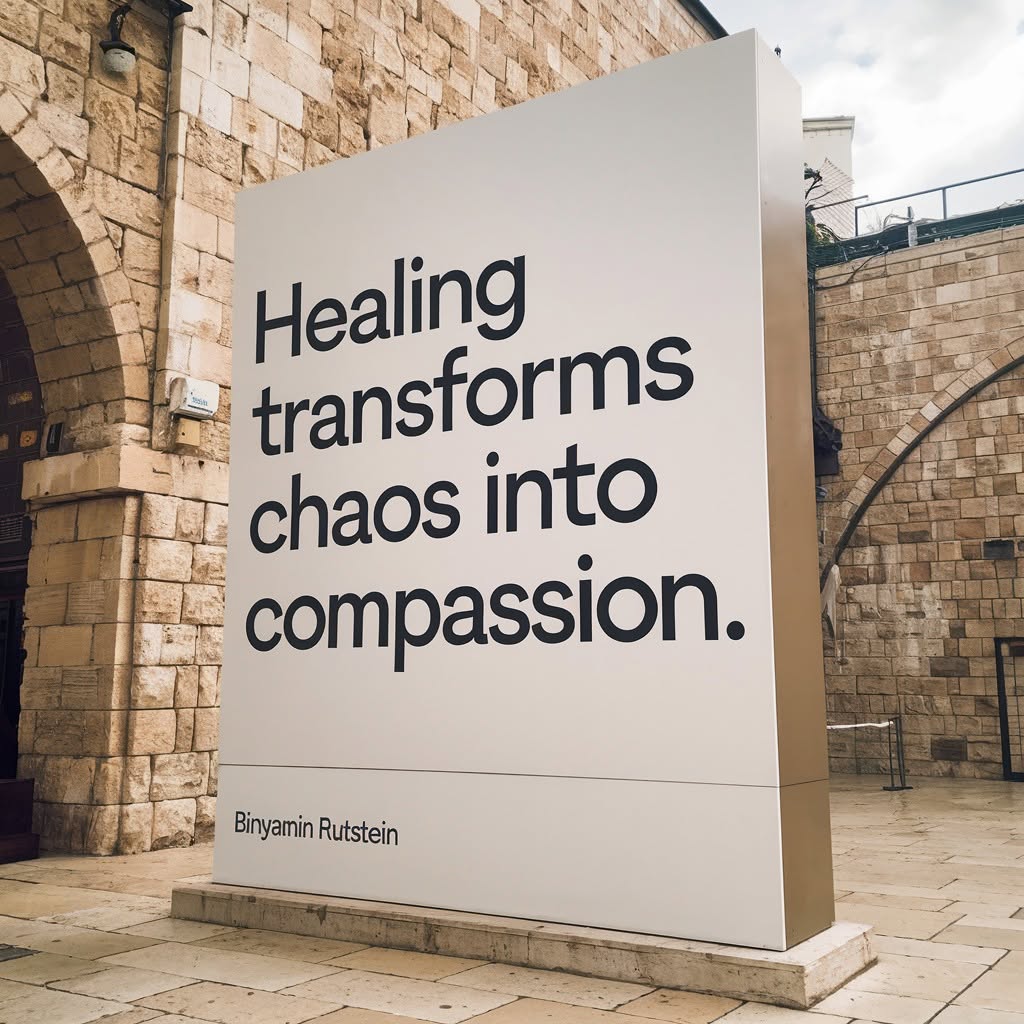
"Healing transforms chaos into compassion."
Explore the NextSelf Blog. Start with this post explaining the world of souls. And my Youtube.
The blog lists all the difference patterns to study, understanding patterns is how one can develop 'Daas' [felt knowing].
Update: As awe, trust, and love deepen, they can allow greater openness and intimacy with the Creator. That intimacy can include sadness when you notice how much more of His goodness can be revealed.