

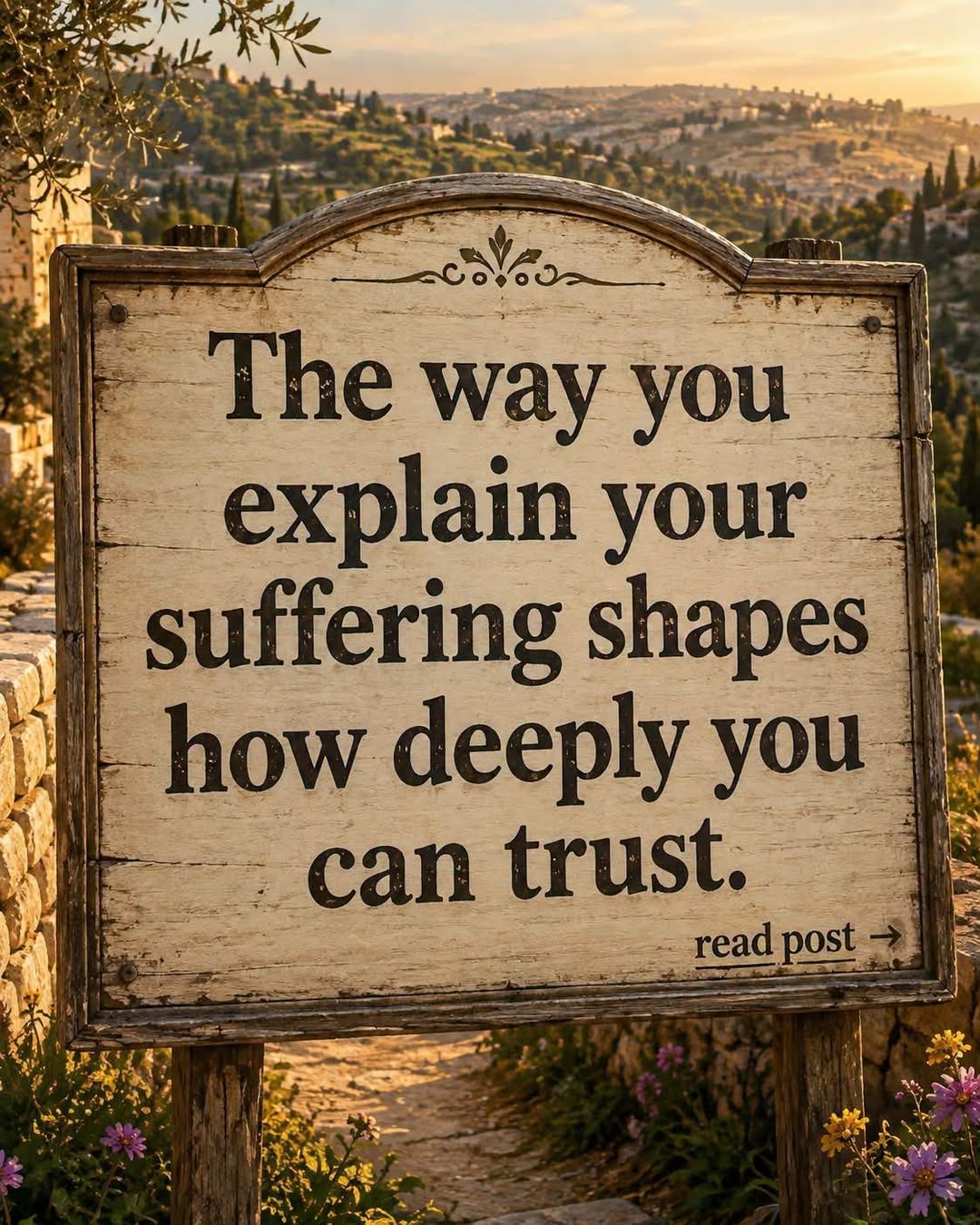
That belief often stays hidden.
Instead of fully noticing your pain, you explain it away:
“Maybe I deserve this.”
“Maybe this is just my life.”
“Maybe the only way to grow is through more pain.”
What Does Chassidus Really Teach About Trust?
But Chassidus teaches that this is not bitachon [trust].
The Creator may allow challenges because they help us grow, repair, or reveal greater goodness.
But suffering is never the goal.
The goal is revealed goodness.
How Do You Learn You Do Not Deserve Suffering?
To strengthen trust, you have to notice your suffering and learn to say:
“I do not deserve suffering.”
That does not mean you have never made mistakes.
It means your mistakes do not make misery your rightful future.
Consequences can teach.
Teshuvah [return to relationship] can repair.
But the Creator wants your growth, not your misery.
Why Does Your Nervous System Expect Punishment?
The more your nervous system expects punishment, the harder trust becomes.
The more it learns to say, “I do not deserve suffering, and the Creator desires my good,” the deeper trust becomes.
Bitachon is not pretending life has no challenges.
It is teaching your mind and nervous system that the Creator’s goodness is greater than your mistakes.
————————————
For more guides to spirituality, visit: https://facebook.com/binyomin.rutstein/photos
Every belief contains mysteries, some are more reasonable then others: The Biggest Spiritual Question: Not Only “Is There a Cause?”
Emotionally healthy beliefs about the world of souls: What Is the World to Come? Maimonides: It's Fully Spiritual
Misguided awe and extreme people pleasing are both like idol worship: What Is Misdirected Awe? One Unhealthy Spiritual Pattern
Why was suffering built into creation? [psychology + philosophy explained] Why generational trauma exists: psychology and Chassidus
Explore the NextSelf Blog. Start with this post explaining the world of souls, and what does it mean to be light? And my Youtube. Content is published to this facebook first and a few days later, to the blog.
The blog lists all the difference patterns to study, understanding patterns is how one can develop 'Daas' [felt knowing].
Content does not provide medical services or professional counseling, and it is not a substitute for professional medical care.