

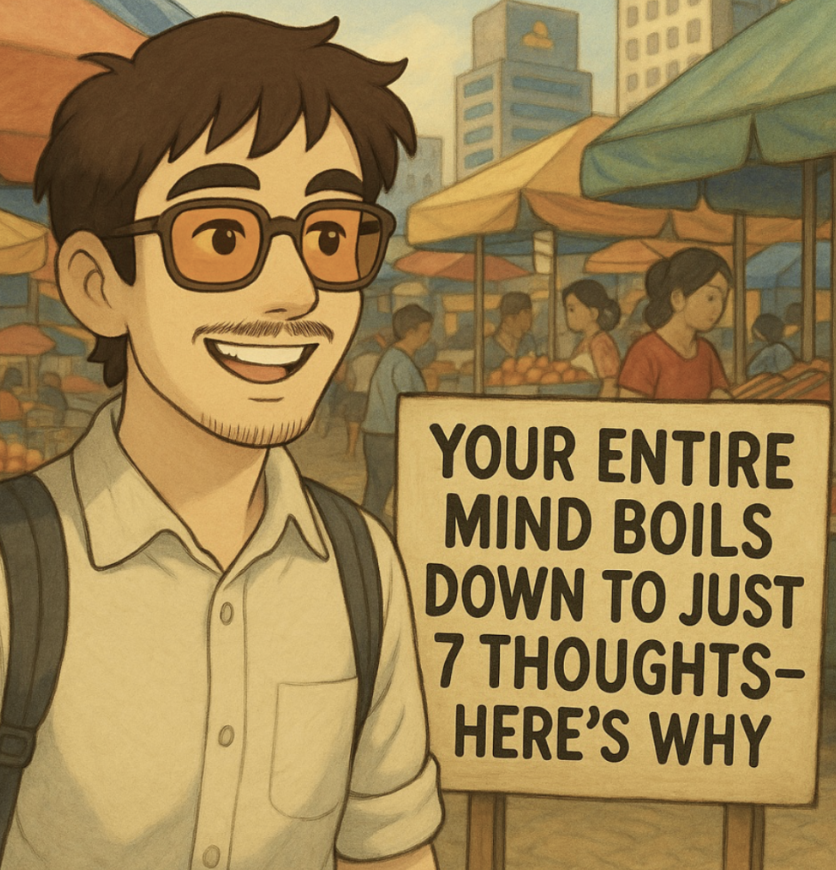
Kabbalah teaches that creation began with 10 energies (Sefirot).
What are the 7 energies that shape your inner world?
Seven of these energies shape our inner world:
1. Chessed – kindness
2. Gevurah – strength, judgement
3. Tiferet – beauty, harmony
4. Netzach – victory, goals, overcome
5. Hod – splendor, humility, submission
6. Yesod – foundation, communication
7. Malchut – kingship, leadership
These energies originally received light anonymously—pure giving from G-d. They didn’t realize that all their light came directly from G-d because He gave anonymously. Soon, they developed an ego, believing their efforts mattered more than they did.
This ego distanced them from G-d until they shattered, scattering their sparks into our universe.
How do fallen sparks show up in your thoughts?
Every thought we have is a spark (aligned energy) or a fallen spark (misaligned energy):
1. People-pleasing = fallen kindness
2. Disrespect, unhealthy fight = fallen strength
3. Showing off = fallen Beauty
4. Flight/unhealthy goals = fallen victory
5. Unhealthy freeze (rumination) = fallen humility
6. Shallowness = fallen communication/foundation
7. Controlling behavior = fallen leadership.
But here’s the good news—these sparks aren’t lost forever.
How can you repair your fallen sparks?
Three powerful tools, rooted in the three higher Sefirot/energies, help you elevate and repair them:
Chochmah: Awareness (noticing and clarity)
Binah: Acceptance, Compassion, Forgiveness (emotional understanding)
Daat: Boundaries with compassion (clear, aligned action)
Your job?
Notice your fallen sparks, understand them with compassion, and set boundaries/limits that realign your energy.
When we heal from negativity, we become capable of receiving the kindness that originally caused these energies to shatter.
Which of your thoughts is ready for a transformation?
“Your entire mind boils down to just 7 thoughts – here’s why”
Explore the NextSelf Blog. Start with this post explaining the world of souls, and what does it mean to be light? And my Youtube. Content is published to this facebook first and a few days later to the blog, list of 100+ 1 line ideas, how to transform selfish desire like gossip, one structure of spiritual beliefs is healthy for the nervous system, learn about my story and book recommendations.
The blog lists all the difference patterns to study, understanding patterns is how one can develop 'Daas' [felt knowing].
Content does not provide medical services or professional counseling, and it is not a substitute for professional medical care.