

People can study spiritual teachings for years while remaining unaware of their adaptive trauma patterns and how their nervous system responds to emotional pain.
What are the four adaptive trauma patterns?
Fight (which often shows up as narcissism), flight (which is avoidance), freeze (which looks like inaction or shutdown), and fawn [people-pleasing] are ways the nervous system learns to protect us from emotional pain. Each pattern can develop around a belief and different ways of coping:
1. Fight: "I'm only safe if I'm in control." Common tactics include denial, aggression, blaming others, criticism, and trying to control people.
2. Flight: "I'll be safe if I stay busy or avoid discomfort." Common tactics include overworking, staying busy, using food for comfort, perfectionism, and avoiding difficult conversations.
3. Freeze: "It's pointless to try." Common tactics include procrastination, emotional numbness [your nervous system can reduce your capacity to feel], withdrawing, and giving up.
4. Fawn (people-pleasing): "If everyone is happy with me, I'm safe." Common tactics include automatically agreeing, hiding feelings, avoiding boundaries, and doing favors to gain approval or control how others feel [without explaining you're doing a favor].
These patterns can continue shaping how people think, feel, and build relationships.
How can the desire to feel holy block emotional skills?
But becoming aware of these patterns can make someone feel selfish, controlling, fearful, or unholy [I'm not as loving as I thought].
When someone wants to feel holy [like a good person], they may defend their image of themselves instead of understanding why they behave the way they do.
____________________
They may even use 'spiritual knowledge' to explain away behaviors they don't want to face.
The desire to feel holy [I'm a loving person] can become an obstacle to developing awareness, compassion, boundaries, and self-forgiveness.
These emotional skills help people experience deeper awe, love, and intimacy [real relationship] with the Creator.
What is one helpful meditation for spiritual growth?
One helpful meditation for spiritual growth is to remind yourself what it means that the Creator of the universe is your Mashpia [the One who gives to you].
He wants to give you the relationships and experiences you desire. At the same time, He recreates the entire universe from nothing every moment, with a structure of cause and effect for us to live within.
We can trust His desire to give us goodness while understanding that our choices, actions, and emotional skills affect what we experience and how we express that goodness.
How do we become partners in building goodness?
According to Jewish tradition, part of the design of creation is that we were created lacking wisdom, understanding, and knowledge.
By developing these abilities and our emotional skills, we become partners in building a world of goodness.
This allows us to enjoy that goodness without the shame of receiving something we didn't help create. Our effort gives us a meaningful role in the world we get to enjoy.
How can you grow instead of protecting your image?
When you feel the need to protect your image of being holy, ask yourself: Which survival pattern am I using right now, and what would I do differently if I trusted that the Creator wants to give me goodness?
Spiritual growth isn't about protecting the feeling that you're holy. It's about becoming more capable of expressing the Creator's goodness.
_________________
Related ideas:
Your soul is always pure, that means you can choose compassion, kindness and healthy boundaries at any moment.
Rabbi Tzvi Hirsch of Nadvorna [a student of the Maggid of Mezeritch] compared extreme people-pleasing to idol worship. A person becomes like an idol: silent, willing to put up with anything, and unable to say no.
Being compassionate doesn't mean giving people permission to treat us selfishly.
If Creation was an expression of love, suffering would be impossible to explain
How to turn your stories into patterns on how to live
Emotionally healthy beliefs about the world of souls
Transforming hate through understanding the healthy desire behind it
#NextSelf #kabbalah #traumahealing #biblestudy
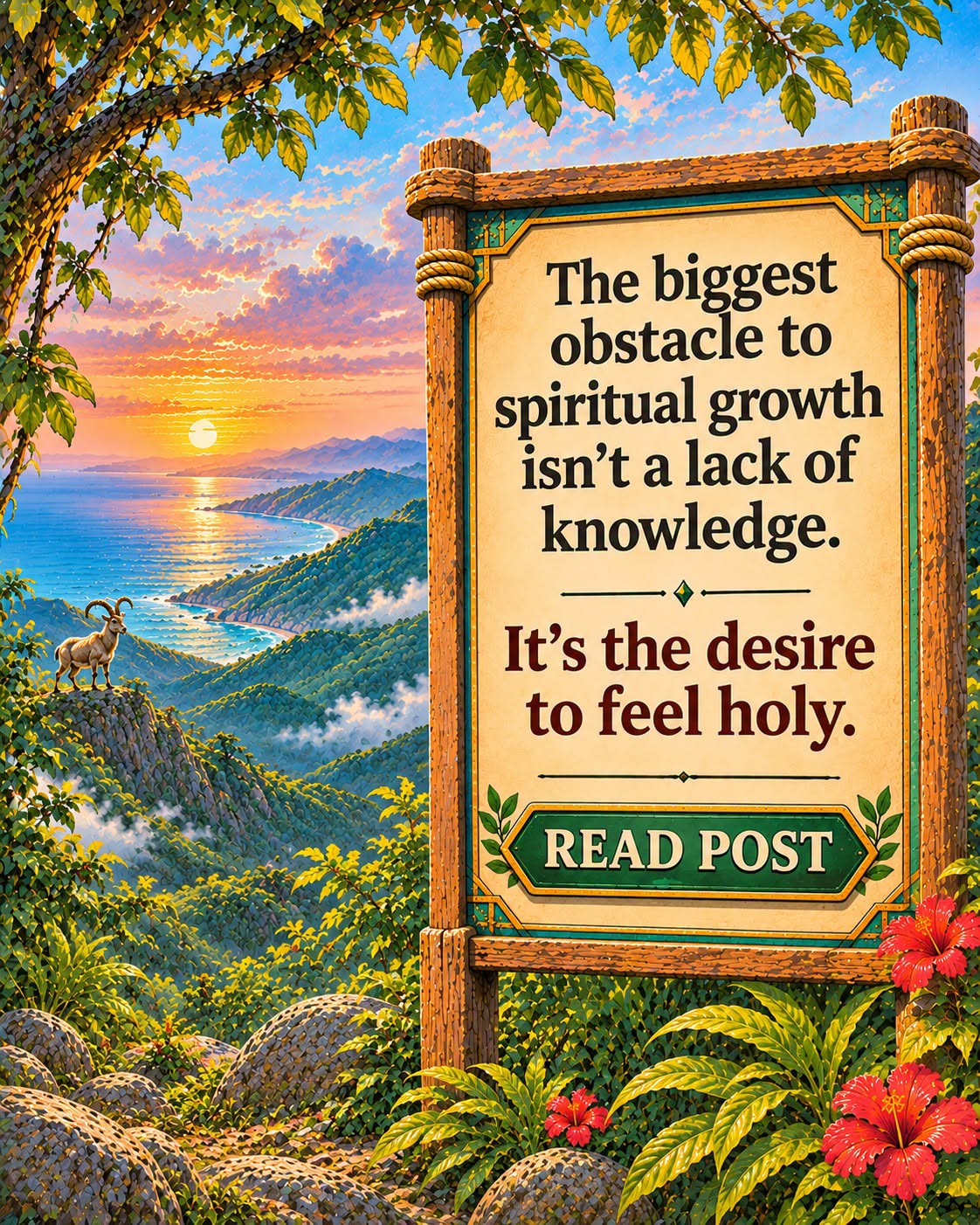
“The biggest obstacle to spiritual growth isn't a lack of knowledge. It's the desire to feel holy.”
Explore the NextSelf Blog. Start with this post explaining the world of souls, and what does it mean to be light? And my Youtube. Content is published to this facebook first and a few days later to the blog, list of 100+ 1 line ideas, how to transform selfish desire like gossip, one structure of spiritual beliefs is healthy for the nervous system, learn about my story and book recommendations.
The blog lists all the difference patterns to study, understanding patterns is how one can develop 'Daas' [felt knowing].
Content does not provide medical services or professional counseling, and it is not a substitute for professional medical care.